check

check

check

check

check

check
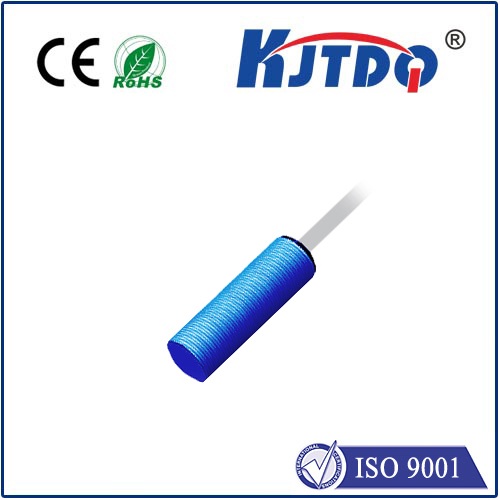
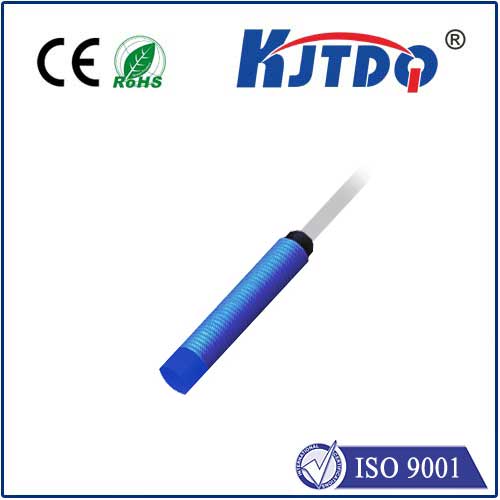
In the heart of modern industrial automation, where machinery operates under extreme pressures and within tight tolerances, the reliability of every component is non-negotiable. Sensor failure in such environments isn't just an inconvenience; it can lead to catastrophic downtime, safety hazards, and significant financial loss. This is where precision engineering meets rugged durability, embodied in solutions like the KJTDQ BD1.5-P1-M12S High Pressure Proximity Sensor. This device isn't merely a component; it's a critical guardian of process integrity.
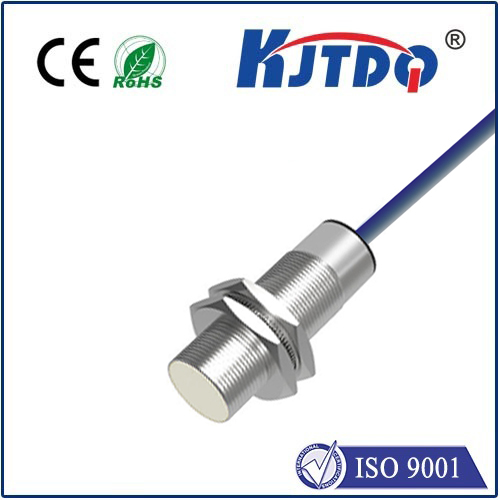
The KJTDQ BD1.5-P1-M12S is specifically engineered to thrive where others falter. Its core design principle addresses the relentless challenge of high-pressure environments commonly found in hydraulic systems, die-casting machines, plastic injection molding, and heavy-duty press applications. Standard inductive sensors can suffer from housing deformation or failure when exposed to sustained high external pressure, leading to inaccurate readings or total malfunction. The BD1.5-P1-M12S tackles this head-on with a housing constructed from high-grade, pressure-resistant stainless steel. This robust construction ensures the sensor's internal electronics remain completely isolated and protected from external mechanical stress, maintaining consistent performance and a long service life even when submerged in hydraulic fluid or exposed to pressures that would compromise lesser sensors.
Beyond its formidable pressure resistance, the sensor excels in its primary function: precise, non-contact detection. Utilizing a high-frequency oscillation principle, it reliably detects the presence of metallic targets, such as piston positions, valve closures, or machine part endpoints, with remarkable accuracy. The "P1" in its designation typically refers to a flush-mountable design. This feature is crucial as it allows the sensor to be installed flush with the mounting surface, eliminating any protruding parts that could be sheared off or damaged by moving components. The M12S connector offers a quick-disconnect capability with a robust threaded coupling, ensuring a secure and vibration-proof electrical connection that simplifies installation and maintenance.
The operational benefits of integrating the KJTDQ BD1.5-P1-M12S into a system are substantial. First and foremost is enhanced reliability. By providing a stable detection signal regardless of ambient pressure fluctuations, it ensures control systems receive accurate data for decision-making. This directly translates to improved process consistency, higher product quality, and reduced waste. Secondly, its durability drastically cuts maintenance costs and unplanned stoppages. Plants can move from a reactive replacement schedule to a proactive, predictive maintenance model, knowing their sensors are built for endurance. Furthermore, its IP67 or higher ingress protection rating (common for this class) guarantees reliable operation in the presence of coolants, oils, and dust, making it a versatile choice for various harsh industrial settings.
Choosing the right sensor involves careful consideration of application parameters. For the BD1.5-P1-M12S, key specifications include its rated operating pressure, sensing distance (likely 1.5mm as indicated by BD1.5), output type (e.g., PNP or NPN), and voltage range. It is essential to match these to the specific conditions of the application—ensuring the pressure rating exceeds the maximum system pressure, the sensing distance is appropriate for the target, and the electrical output is compatible with the existing PLC or controller. Proper installation, following manufacturer guidelines for mounting torque and environmental limits, is the final step to unlocking its full potential.
In conclusion, the KJTDQ BD1.5-P1-M12S High Pressure Proximity Sensor represents a specialized tool for a demanding niche. It solves a clear and costly problem in industrial automation by offering a blend of uncompromising robustness and precise sensing technology. For engineers and plant managers overseeing high-pressure hydraulic systems, heavy presses, or any application where pressure is a constant threat to sensor life, this device provides a reliable, long-term solution. It underscores a simple truth in industrial design: true value is measured not just by initial performance, but by sustained reliability under pressure, ensuring continuous operation and protecting the bottom line.