check

check

check

check

check

check
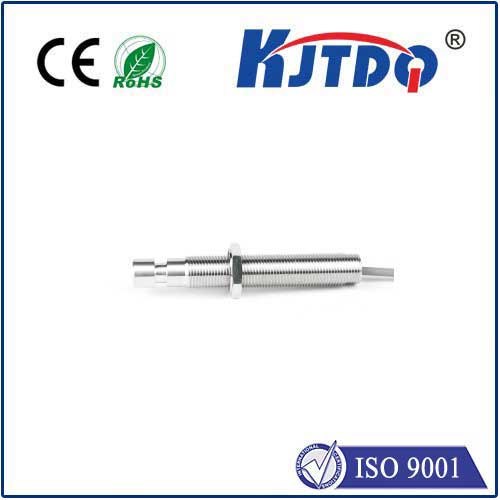
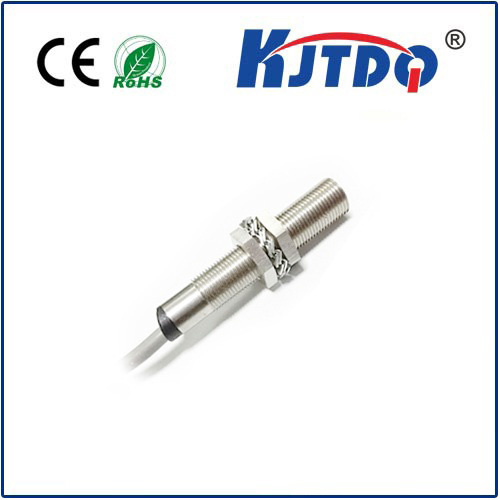
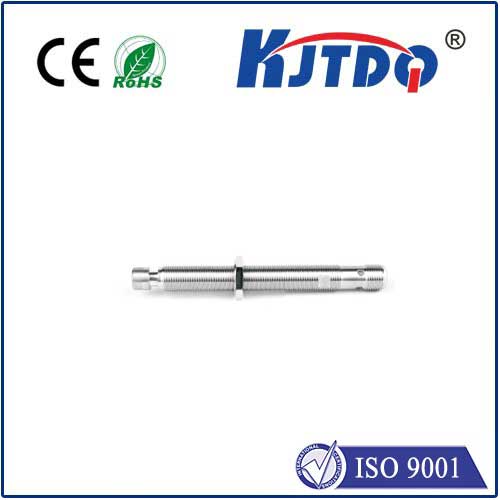
In the demanding world of industrial automation and process control, the reliability and precision of sensing technology are non-negotiable. Among the critical components ensuring operational safety and efficiency, the BES 516-300-S266-S4 (BHS0034) High Pressure Proximity Sensor stands out as a robust and specialized solution. This sensor is engineered to perform flawlessly in environments where high pressure, extreme temperatures, and potential contaminants are constant challenges. Unlike standard inductive sensors, this model is specifically designed to withstand the rigors of hydraulic systems, heavy machinery, and high-pressure testing applications, making it an indispensable tool for engineers and maintenance professionals.
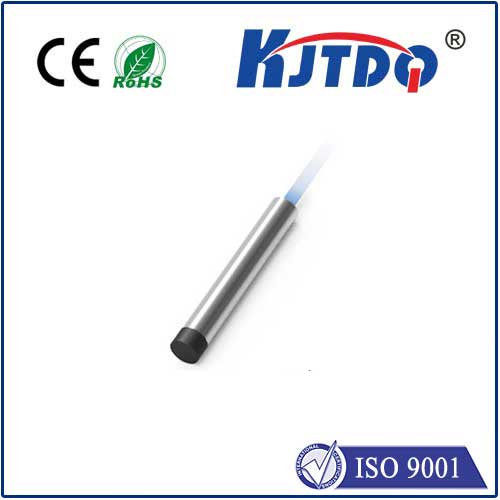
The core functionality of the BES 516-300-S266-S4 revolves around its non-contact detection capability. Utilizing a robust inductive sensing principle, it can reliably detect the presence or absence of metallic targets—such as pistons, valves, or machine parts—without any physical contact. This eliminates mechanical wear and tear, significantly extending the service life of both the sensor and the monitored equipment. The "High Pressure" designation is key; its housing and sealing are constructed to resist ingress from oils, coolants, and to maintain integrity under substantial external pressure, often found in die-casting machines, injection molding systems, or offshore equipment. The S4 suffix typically indicates a particular electrical connection or output configuration, such as a 4-pin M12 connector with a complementary output type (e.g., PNP normally open), ensuring easy integration into modern control systems.
One of the most compelling features of this sensor is its resilience. The housing is typically made from high-grade stainless steel or similarly rugged materials, providing exceptional resistance to mechanical impacts and corrosion. The sensing face is designed to be particularly robust, protecting the internal electronics from shock and vibration commonly encountered in industrial settings. This durability translates directly into reduced downtime and lower total cost of ownership, as the sensor requires minimal maintenance and offers a long operational lifespan even in the harshest conditions. For facilities operating around the clock, this reliability is paramount to maintaining continuous production lines and avoiding costly unplanned stoppages.
Installation and integration of the BES 516-300-S266-S4 sensor are straightforward, thanks to its standardized design. The compact cylindrical form factor allows for easy mounting in tight spaces. The precise sensing range, often up to several millimeters, ensures accurate detection without adjustment headaches. When wiring the device, it is crucial to follow the manufacturer's datasheet for the specific BHS0034 ordering code to confirm voltage requirements (commonly 10-30V DC) and output logic. Proper shielding of the cable and secure connections are recommended to prevent electrical interference, which could lead to false signals. Many users find that its compatibility with standard PLC (Programmable Logic Controller) inputs makes it a plug-and-play component in upgrade or new installation projects.
Real-world applications for this high-pressure proximity sensor are vast and varied. In the automotive industry, it is frequently deployed on hydraulic presses and clamping units to monitor piston position. Within the oil and gas sector, it serves on valve actuators and pumping equipment exposed to high pressures. Manufacturing plants use it to confirm the closed position of high-pressure mold dies or to detect the end position of cylinders in automated assembly lines. Its ability to perform consistently where other sensors might fail due to pressure washdowns or fluid exposure makes it a preferred choice for food and beverage processing machinery as well, provided the materials meet relevant hygiene standards.
Selecting the right sensor for a high-pressure application involves careful consideration. The BES 516-300-S266-S4 model addresses specific needs, but verifying parameters like pressure rating, temperature range, housing material, and IP (Ingress Protection) rating is essential. The BHS0034 code points to a precise configuration within the product family. Consulting with a technical specialist or cross-referencing the official product documentation can prevent mismatches. For those seeking alternatives or facing different environmental conditions, the broader BES 516 series offers various housing styles, sensing ranges, and output options to tailor the solution to the exact operational demand.
In conclusion, the BES 516-300-S266-S4 (BHS0034) High Pressure Proximity Sensor represents a fusion of durability, precision, and specialized design. It is more than just a switch; it is a critical safeguard and efficiency driver for machinery operating under strenuous conditions. By providing reliable, non-contact detection in high-pressure zones, it contributes significantly to enhanced safety protocols, optimized process control, and ultimately, the protection of valuable capital equipment. For engineers tasked with designing or maintaining systems where pressure is a factor, understanding and utilizing this sensor's capabilities is a step toward achieving greater operational resilience and productivity.