check

check

check

check

check

check
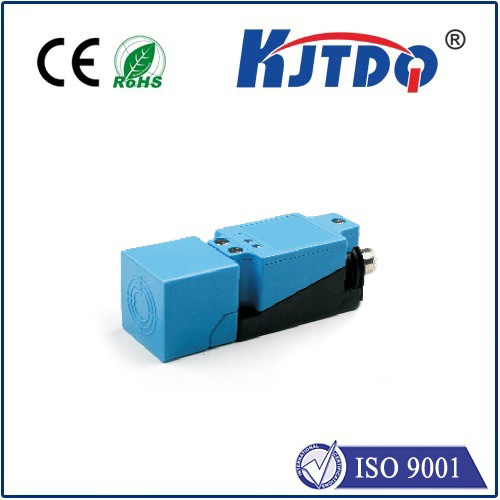
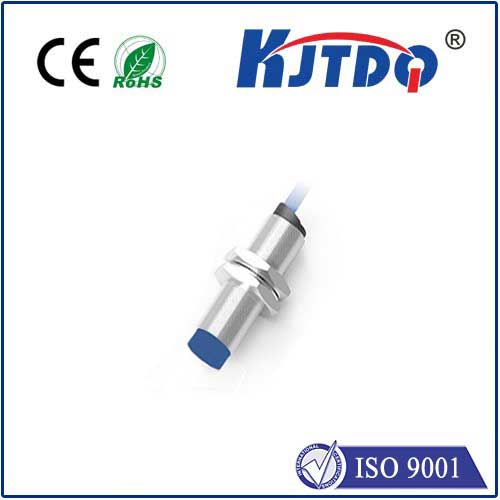
In the demanding world of industrial automation and process control, the reliability and precision of sensing technology are non-negotiable. Among the critical components ensuring operational safety and efficiency, the KGG13L3KP High Pressure Proximity Sensor stands out as a robust solution engineered for extreme environments. This sensor is specifically designed to detect the presence or absence of metallic objects in high-pressure hydraulic and pneumatic systems, where traditional sensors often fail. Its core functionality lies in its ability to maintain consistent performance under pressures that would compromise lesser devices, making it an indispensable tool in sectors like oil and gas, heavy machinery manufacturing, and automotive assembly lines.
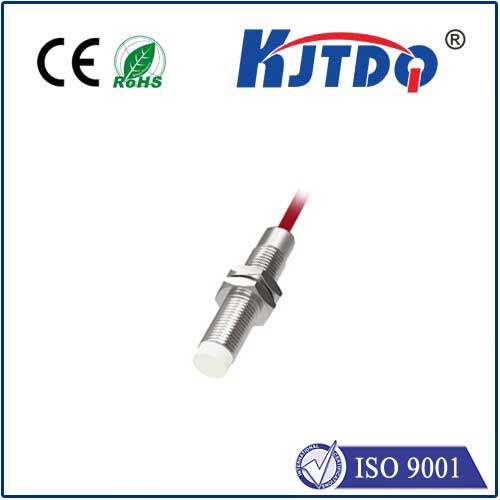
The KGG13L3KP sensor operates on an inductive principle, generating an electromagnetic field to identify ferrous and non-ferrous metals without physical contact. This non-contact detection eliminates mechanical wear, significantly extending the sensor's service life and reducing maintenance downtime. One of its key features is its exceptional pressure rating, capable of withstanding environments where pressures exceed standard industrial limits. The housing is typically constructed from high-grade stainless steel, providing corrosion resistance and durability against harsh chemicals, moisture, and temperature fluctuations. This rugged design ensures that the sensor delivers accurate signals even in the presence of vibration or shock, common in heavy industrial settings.
Installation and integration of the KGG13L3KP are streamlined for user convenience. It often comes with standardized mounting threads and connection interfaces, allowing for seamless replacement or upgrade in existing systems. Many models include LED indicators for real-time status monitoring, enabling quick diagnostics and troubleshooting. When selecting this sensor, engineers must consider factors such as the sensing distance, which is optimized for close-range detection in cramped spaces, and the output type—whether PNP or NPN—to match the control system's requirements. Proper shielding and cable management are also crucial to prevent electromagnetic interference, ensuring signal integrity in electrically noisy environments.
Applications for the KGG13L3KP are vast and varied. In hydraulic presses, it monitors piston position to prevent over-travel and potential equipment damage. Within injection molding machines, it ensures precise mold clamping under high pressure, enhancing product quality. The sensor also plays a vital role in safety systems, such as detecting door closures on pressure vessels or verifying the position of valves in pipeline networks. By providing reliable feedback, it contributes to automated sequences that boost productivity while minimizing human error. Case studies from manufacturing plants show that integrating these sensors can lead to a measurable reduction in unplanned stoppages and a higher overall equipment effectiveness (OEE) rate.
Maintenance of the KGG13L3KP is minimal but essential for long-term performance. Regular checks should include inspecting the sensor face for debris buildup, which can attenuate the sensing field, and verifying electrical connections for corrosion. Calibration is rarely needed due to the stable inductive technology, but environmental factors like extreme temperature shifts should be monitored. Compared to alternative technologies such as capacitive or ultrasonic sensors, the KGG13L3KP offers superior immunity to pressure-induced false triggers, making it a cost-effective choice for critical high-pressure applications. As industries continue to embrace Industry 4.0, this sensor's compatibility with IoT platforms allows for predictive maintenance analytics, further optimizing operational workflows.
In conclusion, the KGG13L3KP High Pressure Proximity Sensor represents a fusion of durability and precision, tailored for the toughest industrial challenges. Its ability to perform under duress not only safeguards machinery but also enhances process reliability, contributing to safer and more efficient production landscapes. For engineers and system integrators seeking a dependable sensing solution, this sensor provides a proven track record in high-stakes environments, underscoring its value as a cornerstone of modern industrial automation.