check

check

check

check

check

check
In the demanding world of industrial automation and process control, the margin for error is razor-thin. Equipment failure or inaccurate readings can lead to catastrophic downtime, safety hazards, and significant financial loss. This is where precision sensing technology becomes the unsung hero of the factory floor. Among the critical components ensuring seamless operation is the HR12-10-931.5E2 High Pressure Proximity Sensor, a device engineered to deliver unwavering performance under extreme conditions.
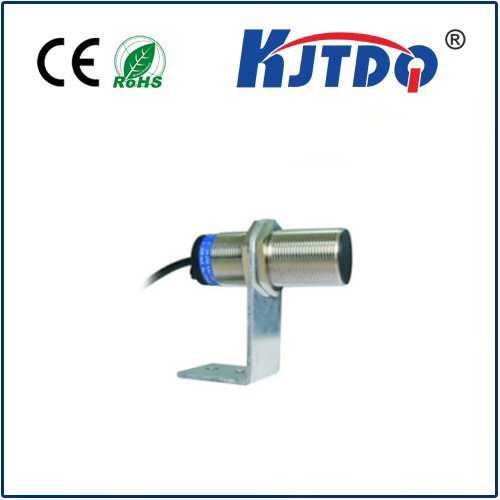
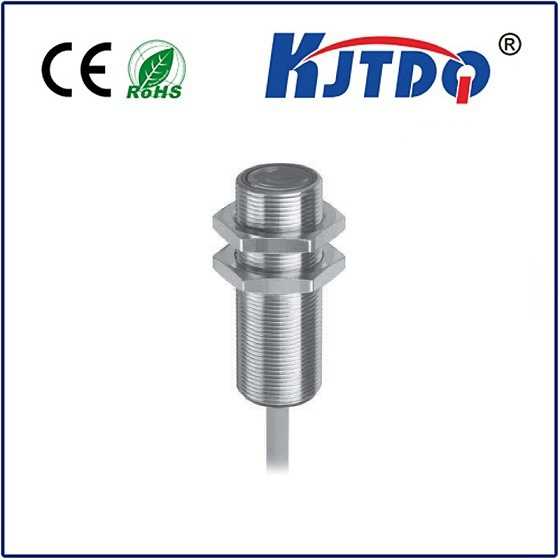
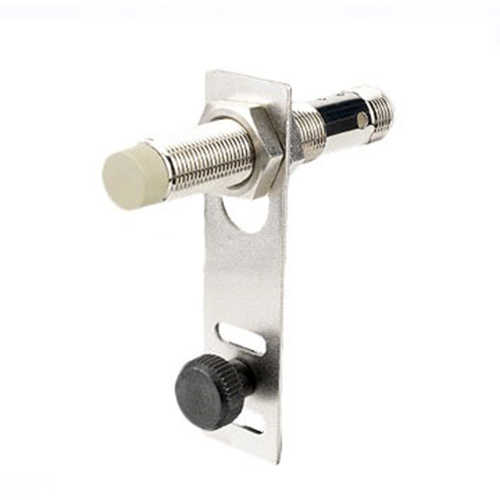
The HR12-10-931.5E2 is not just another sensor; it is a specialized solution designed for high-pressure environments where standard inductive or capacitive sensors would falter. Its core function is to detect the presence or absence of a metallic target—typically a piston or valve position—within hydraulic and pneumatic systems operating at elevated pressures. The designation "931.5E2" often refers to specific electrical characteristics, such as output type (e.g., PNP or NPN) and connection style, making it crucial for compatibility with existing control systems. The "High Pressure" specification is the key differentiator, indicating its robust housing and sealing are built to withstand internal system pressures that could compromise lesser units.
So, what makes this sensor indispensable? First and foremost is its exceptional durability. Housed in a stainless steel body, the HR12-10-931.5E2 is resistant to corrosion, mechanical impact, and the ingress of fluids. Its high-pressure rating means it can be installed directly into hydraulic lines or cylinders, providing direct feedback on component position without the need for external levers or complex linkages. This direct integration minimizes potential points of failure and simplifies system design. The sensor utilizes a robust sensing element that maintains a stable switching point even when subjected to vibration, temperature fluctuations, and electromagnetic interference common in industrial settings.
The applications for this high-pressure proximity sensor are vast and critical. It is a cornerstone in heavy machinery, such as injection molding machines, where it monitors the position of the injection cylinder under tremendous force. In metal forming and stamping presses, it ensures the precise positioning of rams and tools, safeguarding both the equipment and the final product. The automotive industry relies on similar sensors within hydraulic braking and suspension test rigs. Furthermore, in offshore oil and gas equipment or high-pressure pump systems, the HR12-10-931.5E2 provides the reliable data needed for automated control and safety interlocks, preventing over-travel or misalignment that could lead to dangerous situations.
Selecting and installing the correct sensor is paramount for optimal performance. Engineers must verify several key parameters beyond just the pressure rating. The sensing distance, typically a few millimeters for such embedded sensors, must be appropriate for the application. The electrical output must match the PLC or controller input (sourcing vs. sinking). The thread size and type (e.g., M12, as often indicated by "12" in the model) must be compatible with the port on the machine. Proper installation involves ensuring the target material and size are within specifications and that the sensor is torqued correctly to maintain its pressure seal without damaging the housing. Even the most rugged sensor will underperform if installed incorrectly.
When compared to alternative technologies like reed switches or Hall-effect sensors in similar roles, the HR12-10-931.5E2 offers distinct advantages. Reed switches, while simple, are prone to fatigue and can be slower. Hall-effect sensors are excellent but may require more complex electronics and can be sensitive to specific magnetic field orientations. The inductive proximity principle of the HR12-10-931.5E2 provides a non-contact, wear-free, and fast response solution specifically hardened for harsh, high-pressure fluid environments. Its primary maintenance requirement is typically just periodic checking of the seal integrity and electrical connection.
Ultimately, the value of the HR12-10-931.5E2 High Pressure Proximity Sensor is measured in uptime and safety. It acts as the reliable eyes and ears within the heart of powerful machinery, delivering the accurate positional data that control systems depend on. For system integrators, maintenance engineers, and plant managers, specifying a proven component like this is an investment in operational continuity. It reduces unplanned stoppages, enhances process repeatability, and contributes to a safer working environment by ensuring machines operate within their designed parameters. In an era where efficiency and reliability are non-negotiable, understanding and utilizing specialized components like this sensor is key to maintaining a competitive and secure industrial operation.