check

check

check

check

check

check
In the world of industrial automation, where precision, reliability, and durability are non-negotiable, the choice of sensing technology can make or break a production line. Operating under extreme conditions—high pressure, temperature fluctuations, and exposure to contaminants—requires components that are engineered to excel. The BES 516-300-S152-S4-D, also known by its ordering code BHS001W, stands out as a premier high-pressure inductive proximity sensor designed to meet these rigorous demands head-on. This device is not just another component; it is a critical enabler of efficiency and safety in sectors ranging from hydraulic systems and die-casting machines to heavy-duty mobile equipment.
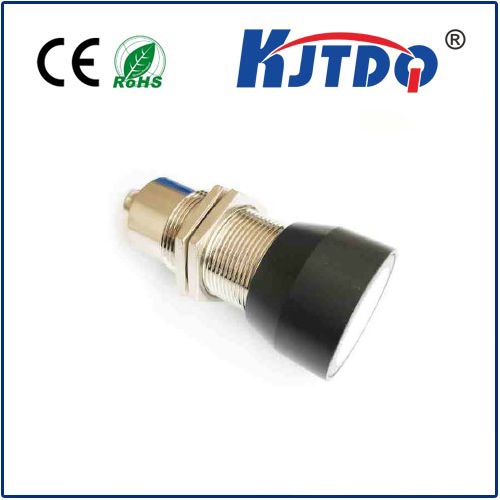
At its core, the BES 516-300-S152-S4-D is a robust, cylindrical M30 inductive sensor. Its defining characteristic is its exceptional pressure rating, capable of withstanding environments where standard sensors would fail. The housing is constructed from high-grade stainless steel, typically V4A (AISI 316), offering superior corrosion resistance. This makes it ideal for use in washdown areas, offshore applications, or any setting exposed to aggressive media. The sensing face is equally resilient, often featuring a pressure-resistant PEEK or ceramic cap that protects the internal electronics from physical shock and extreme pressures that can exceed several hundred bar. This construction ensures that the sensor maintains its switching characteristics and long-term stability even when directly immersed in hydraulic fluid or subjected to the intense forces of a metal-forming press.
The technical specifications of the BES 516-300-S4-D variant reveal its tailored design. The "S152" typically denotes a flush-mountable version with a sensing range tuned for specific high-pressure applications, often around 15mm for ferrous targets. The "S4" suffix commonly indicates a 4-wire design with both a normally open (NO) and a normally closed (NC) output, providing maximum flexibility for control logic. It operates on a standard DC supply voltage (10-30V DC) and features a short-circuit and reverse polarity protection circuit, safeguarding both the sensor and the connected control system from wiring errors or electrical faults. The LED status indicator, visible even under challenging conditions, allows for quick visual diagnostics, minimizing downtime during maintenance.
What truly sets this sensor apart is its application-specific intelligence. In a hydraulic cylinder, for instance, it provides precise end-position detection of the piston rod. This feedback is crucial for controlling movement sequences, preventing mechanical overload, and ensuring cycle accuracy. In plastic injection molding or die-casting machines, it reliably detects the position of molds or platens under tremendous clamping forces, contributing to product quality and process safety. Its high immunity to electromagnetic interference (EMI) ensures stable operation in electrically noisy environments common around large motors and frequency converters.
Beyond its physical and electrical robustness, the BES 516-300-S152-S4-D (BHS001W) offers significant operational advantages. Its high switching frequency allows it to keep pace with fast machine cycles. The minimal hysteresis ensures repeatable accuracy, which is vital for quality control. By providing reliable signals in harsh conditions, it reduces false triggers and unplanned stoppages, directly contributing to increased Overall Equipment Effectiveness (OEE). For plant engineers and maintenance teams, its standardized M30 form factor and compatibility with common mounting accessories simplify installation and replacement, reducing inventory complexity.
Selecting the right sensor for high-pressure applications involves careful consideration. The BES 516-300 series addresses key questions: Is the housing material compatible with the ambient media? Is the pressure rating sufficient for both static and dynamic peak pressures? Does the electrical output match the PLC input requirements? The BHS001W version provides clear, affirmative answers to these questions, making it a trusted reference in technical specifications for OEMs and system integrators.
In conclusion, the BES 516-300-S152-S4-D proximity sensor is more than a simple switch. It is a meticulously engineered interface between the physical forces of industrial machinery and the digital realm of control systems. By delivering unwavering reliability where pressure is highest, it protects investments, ensures continuous production, and upholds safety standards. For engineers seeking a proven, high-performance solution to sensing challenges in pressurized environments, this sensor represents a benchmark in durability and precision, solidifying its role as a cornerstone of modern industrial automation.