check

check

check

check

check

check
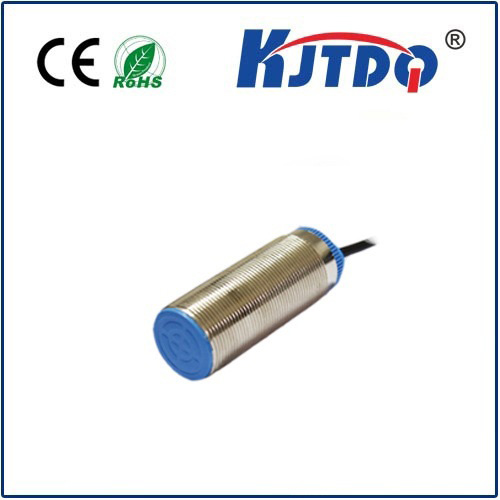
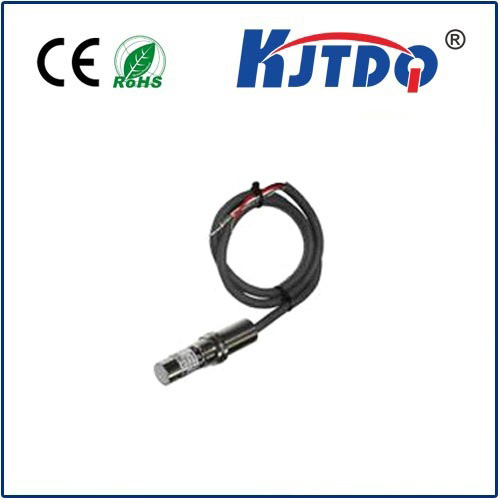
In the relentless world of industrial automation, where machinery operates under extreme pressures and in unforgiving conditions, the reliability of every component is non-negotiable. Sensor failure is not merely an inconvenience; it can lead to catastrophic downtime, safety hazards, and significant financial loss. This is where the KNYT2-M14-NBH-53 High Pressure Proximity Sensor distinguishes itself, engineered specifically to deliver unwavering performance where standard sensors falter.
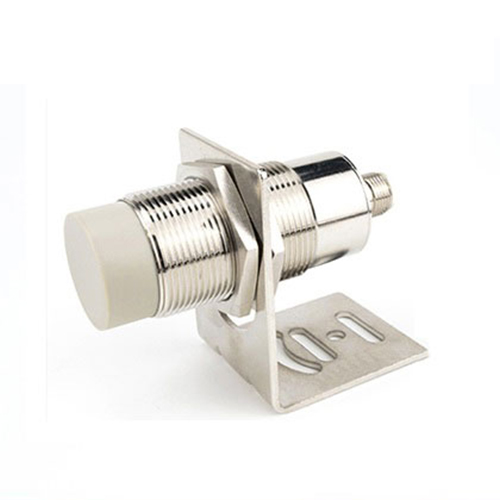
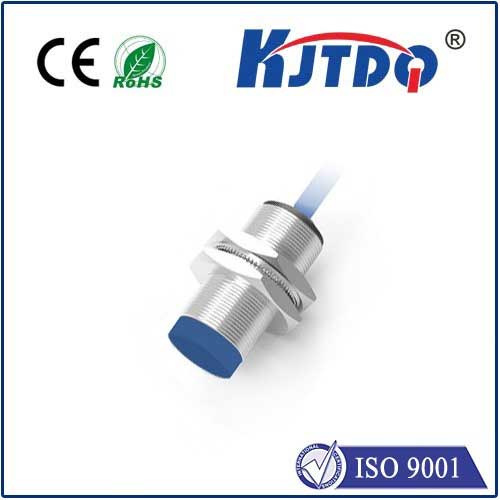
The core challenge in high-pressure applications, such as hydraulic systems, die-casting machines, plastic injection molding, and heavy-duty press lines, is the immense physical stress exerted on equipment. Conventional inductive proximity sensors, while effective in normal settings, often succumb to housing deformation, seal failure, or internal damage when subjected to sustained high external pressures. The KNYT2-M14-NBH-53 is built from the ground up to conquer this challenge. Its robust stainless steel housing is not just for corrosion resistance; it is precision-engineered to withstand exceptional external pressure, ensuring the internal sensing electronics remain completely isolated and protected from the hostile operating environment. This rugged construction guarantees consistent detection and signal output, cycle after cycle, without drift or failure.
Beyond its formidable pressure resistance, the sensor incorporates a fully potted electronic compartment. This process fills the interior with a specialized compound, creating a solid block that immobilizes components, dampens vibrations, and provides an additional, impervious barrier against moisture, oil ingress, and shock. Whether installed directly on a high-pressure hydraulic ram or near turbulent coolant lines, the integrity of the sensing function remains intact. The "NBH" designation often correlates with specific sensing ranges and output configurations, typically offering a stable switching signal (like NPN or PNO) that interfaces seamlessly with standard PLCs and control systems, providing a reliable digital heartbeat for the automation process.
Installation and maintenance are critical factors in total cost of ownership. The M14 x 1 metric threading of the KNYT2-M14-NBH-53 is an industry standard, allowing for straightforward integration into existing machine ports or mounting brackets without requiring special adapters. Its compact form factor ensures it fits into space-constrained layouts common in complex machinery. Furthermore, the design prioritizes longevity, significantly reducing the frequency of replacements and the associated labor costs of downtime. For plant managers and engineers, this translates to fewer emergency work orders, more predictable maintenance schedules, and a higher overall equipment effectiveness (OEE).
The applications for this high-pressure specialist are vast and critical. In metalworking, it reliably detects piston position in high-tonnage presses. Within the automotive manufacturing sector, it ensures precise component positioning in automated welding and assembly lines where hydraulic actuators are prevalent. On the factory floor of a plastics manufacturer, it monitors mold clamping force and ejector plate movement in injection molding machines, where pressures are extreme and process consistency is paramount for product quality. In every instance, the KNYT2-M14-NBH-53 acts as a dependable sentinel, enabling precise control, enhancing safety by confirming machine states, and preventing damage by ensuring sequences are followed correctly.
Selecting the right sensor is a strategic decision. Opting for a general-purpose sensor in a high-pressure environment is a calculated risk that often leads to premature failure. The KNYT2-M14-NBH-53 High Pressure Proximity Sensor represents a targeted investment in resilience and reliability. It is the definitive choice for engineers who specify components based on proven performance under stress, for maintenance teams that value durability over frequent changes, and for operations that demand uninterrupted productivity. By ensuring flawless operation at the point of greatest physical demand, this sensor safeguards not just the machine cycle, but the entire flow of production, proving that true robustness is the foundation of modern industrial efficiency.