check

check

check

check

check

check
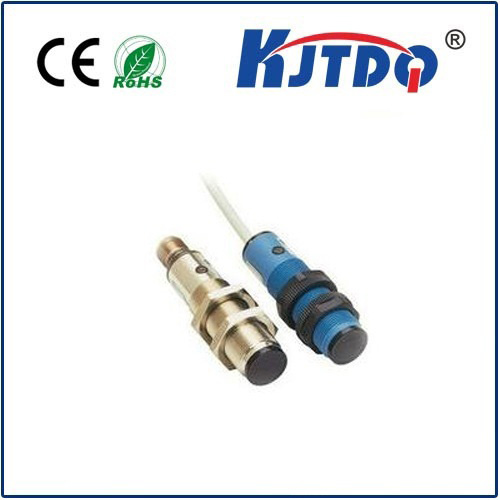
In the complex and unforgiving world of industrial automation, the reliability of every single component is paramount. From heavy machinery in manufacturing plants to critical systems in oil and gas exploration, sensors are the unsung heroes that provide the essential data for control, safety, and efficiency. Among these, proximity sensors play a pivotal role in non-contact detection. However, standard sensors often fail under extreme conditions, leading to downtime, safety hazards, and costly repairs. This is where specialized, robust solutions like the IFRP 16P1501/S14 High Pressure Proximity Sensor become indispensable.
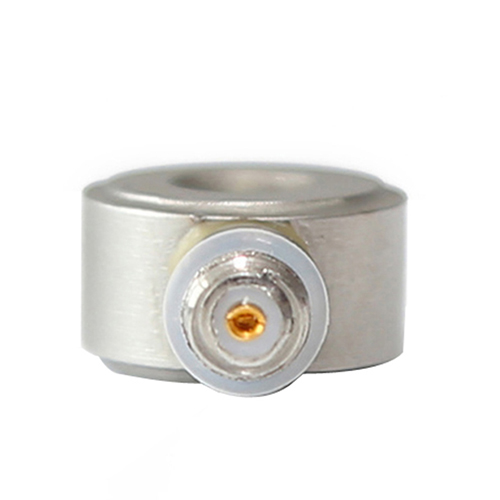
The IFRP 16P1501/S14 is engineered specifically to thrive where others cannot. Its defining characteristic is its exceptional resilience to high-pressure environments. Traditional inductive or capacitive sensors can suffer from housing deformation, seal failure, or signal drift when subjected to sustained high pressure, common in hydraulic systems, deep-sea equipment, or high-pressure processing lines. The IFRP 16P1501/S14 is built with a reinforced stainless-steel housing and advanced sealing technologies that can withstand these immense forces, ensuring consistent performance and longevity. This durability translates directly into reduced maintenance cycles and higher overall equipment effectiveness (OEE).
Beyond its pressure rating, the sensor boasts a high degree of immunity to environmental challenges. It is designed to resist the ingress of water, coolants, and cutting fluids, making it an ideal choice for machine tools and wash-down areas in the food and beverage or pharmaceutical industries. Its robust construction also provides excellent resistance to vibration and shock, which are inevitable in mobile machinery or heavy-duty manufacturing. The reliable detection distance, a key specification of the S14 model, ensures accurate positioning of metal targets without physical contact, preventing wear and tear and enabling high-speed operation.
The application scope for the IFRP 16P1501/S14 is vast. In the oil and gas sector, it is deployed for monitoring valve positions, detecting piston movement in hydraulic fracturing equipment, or ensuring the correct positioning of drilling components, all under high pressure. In plastic injection molding machines, it reliably detects the mold position despite the high clamping forces involved. Within automotive production lines, it performs flawlessly in hydraulic press controls and robotic welding cell safety systems. Its versatility also extends to marine engineering and pulp and paper processing, where wet, high-pressure conditions are the norm.
Integration into existing control systems is straightforward. The sensor typically features a PNP or NPN output (depending on the specific ordering code) compatible with standard programmable logic controllers (PLCs). Its compact, cylindrical M18 or M30 form factor allows for easy installation in space-constrained locations. When selecting and installing the IFRP 16P1501/S14, it is crucial to consult the detailed datasheet for the exact pressure rating, temperature range, output type, and electrical connections to ensure perfect compatibility with the application's requirements. Proper mounting, using the correct brackets and ensuring a clean sensing field free of metallic debris, is key to unlocking its full potential.
Ultimately, the choice of a sensor is an investment in operational stability. Opting for a general-purpose sensor in a high-pressure application is a calculated risk that often leads to premature failure. The IFRP 16P1501/S14 High Pressure Proximity Sensor eliminates this gamble. It represents a proactive approach to industrial maintenance and safety, providing engineers and plant managers with the confidence that their detection systems will perform reliably under pressure—literally. By ensuring accurate, non-contact detection in the harshest conditions, this sensor not only protects valuable machinery but also safeguards processes, enhances productivity, and contributes to a safer working environment. For industries where failure is not an option, specifying a hardened component like the IFRP 16P1501/S14 is not just a technical decision; it's a strategic one for long-term, resilient operations.