check

check

check

check

check

check
In the world of industrial automation and process control, the reliability and accuracy of sensing technology are non-negotiable. Equipment must perform flawlessly under extreme conditions, from high-pressure hydraulic systems to heavy-duty machinery. This is where the IFRP 12P1504/S14 High Pressure Proximity Sensor establishes itself as a cornerstone of modern industrial design. Engineered for resilience and precision, this sensor is not just another component; it is a critical enabler for safety, efficiency, and uptime.
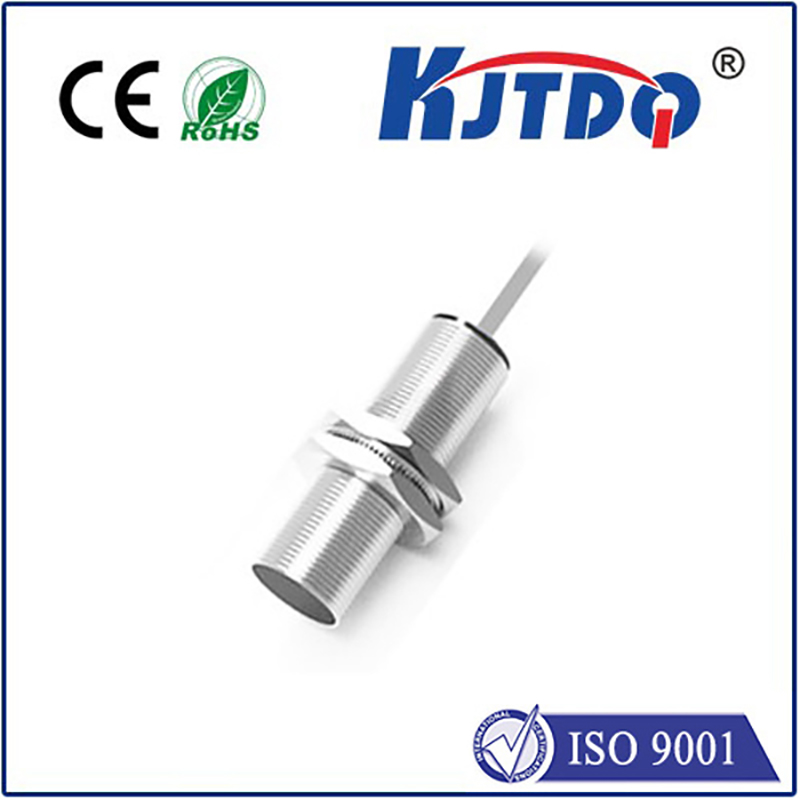
The IFRP 12P1504/S14 is specifically designed to operate in environments where conventional sensors would fail. Its defining characteristic is its robust construction, capable of withstanding exceptionally high pressures. This makes it an indispensable asset in applications such as hydraulic press monitoring, injection molding machines, die-casting equipment, and offshore oil and gas systems. The sensor's housing is typically crafted from high-grade stainless steel, providing superior resistance to mechanical stress, vibration, and corrosive media commonly found in harsh industrial settings.
At its core, the sensor utilizes advanced inductive proximity technology. This means it can detect the presence or absence of metallic targets without any physical contact. The "12P1504" designation often refers to key specifications: a 12mm diameter, a specific sensing range, and a threaded design for secure mounting. The "S14" likely denotes a particular housing style or output configuration, such as a PNP or NPN transistor output, ensuring seamless integration into various control systems, including PLCs (Programmable Logic Controllers).
One of the most significant advantages of the IFRP 12P1504/S14 is its unwavering performance under pressure—literally. In hydraulic systems, pressure spikes are common. A lesser sensor might provide erratic signals or suffer internal damage. This sensor, however, is built to maintain stable switching characteristics, ensuring that position feedback for pistons, cylinders, or valves remains accurate and dependable. This reliability directly translates to preventing machine downtime, reducing the risk of defective products, and avoiding costly unscheduled maintenance.
Installation and integration are straightforward. The sensor's threaded barrel allows for easy mounting in standard fittings, and its compact design saves valuable space in crowded control panels or machine frames. Many models feature LED status indicators for quick visual confirmation of operation, aiding in setup and troubleshooting. Furthermore, its high switching frequency enables the detection of very fast-moving parts, which is crucial in high-speed production lines.
Beyond basic detection, the application of the IFRP 12P1504/S14 enhances overall system intelligence. By providing precise positional data, it allows for better control over machine cycles, optimization of process parameters, and implementation of predictive maintenance strategies. For instance, monitoring the position of a hydraulic ram can help predict seal wear before a catastrophic failure occurs. This proactive approach to maintenance, fueled by reliable sensor data, is a key driver for the Industrial Internet of Things (IIoT) and Industry 4.0 initiatives.
When selecting a high-pressure proximity sensor, factors like pressure rating, temperature range, material compatibility, and electrical protection (e.g., IP67 or IP69K ratings for water and dust resistance) are paramount. The IFRP 12P1504/S14 is designed with these rigorous criteria in mind. It represents a synergy of mechanical fortitude and electronic sophistication, delivering a signal you can trust when the operational stakes are at their highest.
For engineers, maintenance managers, and system integrators, choosing the right sensor is a critical decision. The IFRP 12P1504/S14 High Pressure Proximity Sensor offers a proven solution that balances rugged durability with technological precision. It stands as a silent guardian within machinery, ensuring that processes run smoothly, safely, and efficiently, even under the most demanding pressures imaginable. Its role is fundamental in pushing the boundaries of productivity and automation reliability across diverse industrial sectors.