check

check

check

check

check

check
In the relentless world of industrial automation, where precision, durability, and reliability are non-negotiable, sensor technology stands as a critical linchpin. Among the myriad of components, proximity sensors play a pivotal role in detecting the presence or absence of objects without physical contact. However, standard sensors often falter under extreme conditions, particularly where high pressure is a constant factor. This is where specialized solutions like the KGG18P2BD High Pressure Proximity Sensor, a key offering from KJTDQ, redefine performance boundaries and operational safety.
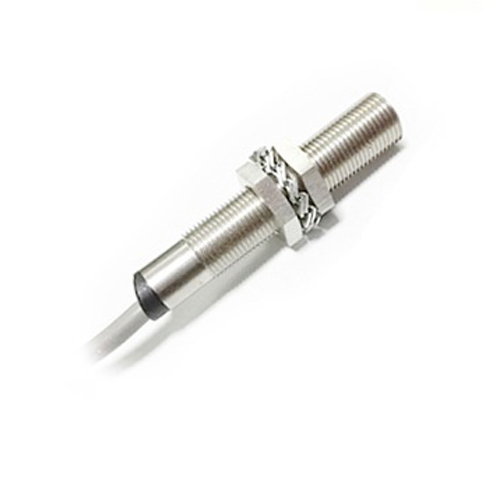
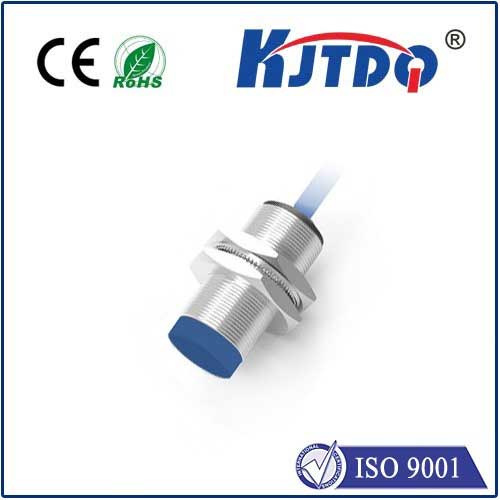
The KGG18P2BD is engineered specifically to thrive in environments where conventional sensors would fail. Its core design principle revolves withstanding significant pressure while maintaining exceptional detection accuracy. Typical application scenarios include hydraulic systems, heavy-duty press machines, injection molding equipment, and subsea or deep-well drilling apparatus. In these settings, pressure fluctuations are not just variables; they are defining operational parameters. The sensor's robust housing, typically constructed from high-grade stainless steel, provides an exceptional seal against ingress and mechanical stress caused by intense surrounding pressures. This inherent ruggedness ensures that the sensor's internal electronics remain protected and fully functional, delivering consistent signals to the control system.
What truly sets the KGG18P2BD apart is its unwavering sensing performance under duress. Utilizing advanced inductive or capacitive technology (depending on the specific model variant), it can reliably detect metallic or non-metallic targets through various media and within pressurized chambers. The sensing distance remains stable, unaffected by the ambient pressure changes that would cause drift in lesser units. This stability is paramount for processes where a few millimeters of discrepancy can lead to product defects, machine jams, or even safety hazards. For instance, in a high-pressure die-casting machine, the precise detection of the mold position ensures correct clamping force and injection timing, directly impacting product quality and preventing costly damage to the tooling.
Installation and integration of the KGG18P2BD are streamlined for industrial efficiency. Its compact and often cylindrical form factor allows for easy mounting in space-constrained locations within machinery. The sensor features high ingress protection ratings, such as IP67 or IP69K, making it resistant to water, oil, and dust—common companions in high-pressure industrial environments. Electrical connectivity is designed for reliability, with options for standard M12 or M8 connectors, ensuring secure and vibration-resistant connections to the broader control network. This plug-and-play compatibility minimizes downtime during installation or replacement, a crucial factor for maintaining continuous production cycles.
Beyond mere detection, the data provided by this sensor contributes significantly to predictive maintenance strategies. By consistently monitoring the position of components within a high-pressure system, it helps establish performance baselines. Any deviation from the norm in the sensor's signal—such as a change in response time or a slight shift in the effective sensing range—can serve as an early warning sign. It might indicate wear on a piston rod, the beginning of a seal failure, or an imbalance in the hydraulic pressure. This allows maintenance teams to schedule interventions proactively, avoiding unplanned stoppages and catastrophic system failures. The reliability of the KGG18P2BD thus transforms it from a simple switch into a vital diagnostic tool.
In conclusion, the KGG18P2BD High Pressure Proximity Sensor from KJTDQ represents a specialized answer to a common industrial challenge. It is not merely a component but a critical enabler of safety, precision, and efficiency in the most demanding applications. By offering robust construction, pressure-resistant design, and stable, accurate sensing, it ensures that automated systems can operate at their peak performance, even under the immense stresses of high-pressure environments. For engineers and system integrators seeking to enhance the resilience and intelligence of their machinery, specifying the KGG18P2BD is a strategic decision toward achieving unparalleled operational uptime and product quality.