check

check

check

check

check

check
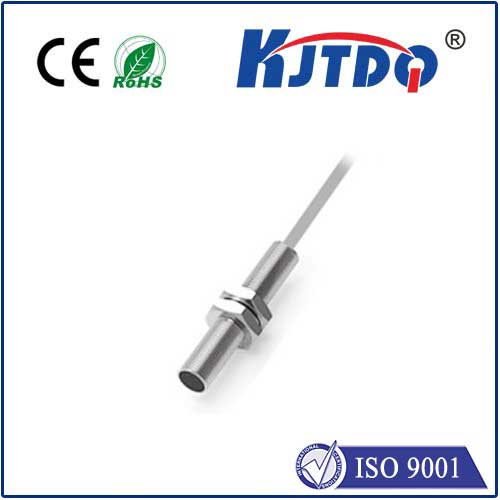
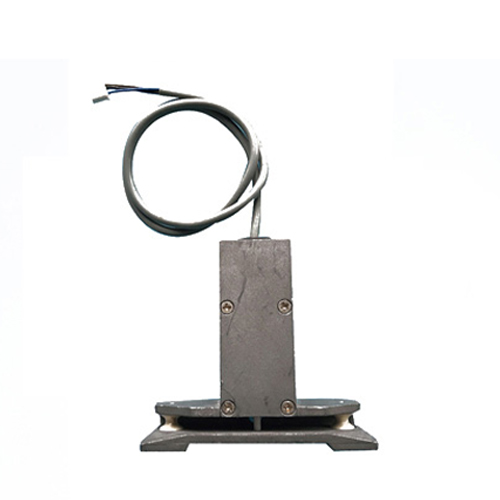
In the complex and demanding world of industrial automation, the reliability of every single component is paramount. When it comes to monitoring and controlling systems operating under extreme pressure conditions, sensor failure is not an option. This is where the NW1815AE65P2 High Pressure Proximity Sensor steps in, engineered to deliver unwavering performance where others falter. Designed for the most challenging environments, this sensor represents a significant leap in durability and precision for pressure-sensitive applications.
The core challenge in high-pressure scenarios is maintaining consistent, accurate detection without succumbing to the immense physical stresses. Traditional sensors often face issues with housing integrity, seal failure, or signal drift under sustained high load. The NW1815AE65P2 is specifically built to overcome these hurdles. Its robust construction features a housing made from high-grade, corrosion-resistant stainless steel, capable of withstanding pressures that would compromise standard units. The internal components are meticulously sealed and isolated, ensuring that the sensing element remains protected from external contaminants, moisture, and the crushing force of the application environment. This resilience translates directly to reduced downtime and maintenance costs, as the sensor continues to operate reliably cycle after cycle.
Precision is another cornerstone of the NW1815AE65P2's design. Utilizing advanced inductive proximity technology, it offers exceptionally accurate non-contact detection of metallic targets. This is crucial in high-pressure hydraulic systems, heavy-duty press machines, or injection molding equipment, where the exact position of a piston, cylinder, or valve needs to be known with certainty. The sensor provides a consistent switching signal with minimal hysteresis, meaning operations can be timed and controlled with a high degree of repeatability. This level of accuracy enhances overall system efficiency, improves product quality, and prevents potential damage caused by misaligned or out-of-sync machinery.
Installation and integration are streamlined for ease of use. The NW1815AE65P2 comes in a compact form factor with standard mounting threads, allowing for straightforward replacement or upgrade of existing sensors. It is available with various output configurations, including PNP and NPN, and connection options like quick-disconnect or pre-wired cables, ensuring compatibility with a wide range of PLCs and control systems. Its design also incorporates clear status indicators, facilitating quick diagnostics and troubleshooting on the factory floor, which minimizes operational interruptions.
The applications for this robust sensor are vast and critical. It is ideally suited for the oil and gas industry, monitoring valve positions in high-pressure pipelines. In metal forming and stamping presses, it ensures tooling safety and sequence control. Within automotive manufacturing, it plays a vital role in brake line testing and engine assembly processes. Anywhere system integrity depends on reliable feedback under substantial mechanical pressure, the NW1815AE65P2 provides a trusted solution. Its longevity and failure-resistant design make it a strategic investment for engineers and plant managers focused on maximizing productivity and safety.
Ultimately, selecting a sensor for high-pressure duties requires a focus on proven endurance and technical excellence. The NW1815AE65P2 High Pressure Proximity Sensor is not merely a component; it is a reliability engineered into a compact device. By delivering consistent performance under duress, it safeguards processes, protects valuable machinery, and ensures the continuous flow of industrial operations. For professionals seeking to eliminate sensor-related vulnerabilities in their most critical applications, this sensor stands as a definitive answer, offering peace of mind through superior engineering and demonstrable resilience in the face of extreme operational demands.