check

check

check

check

check

check
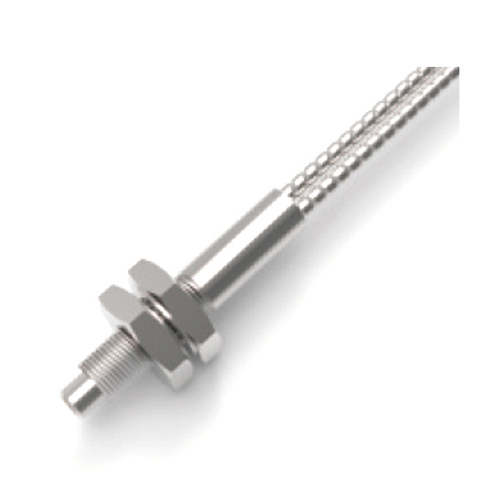
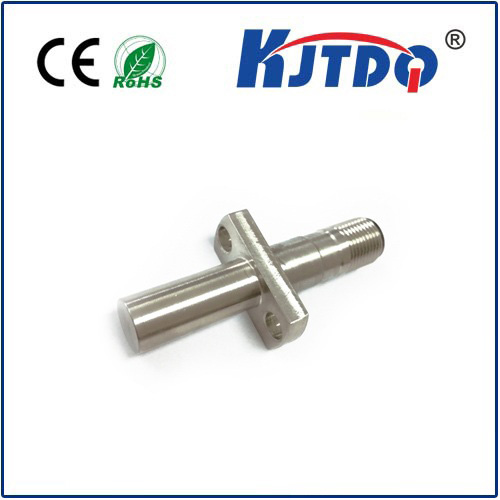
In the world of industrial automation, where precision, reliability, and durability are non-negotiable, the choice of sensing technology can make or break operational efficiency. Among the myriad of options available, the BES 516-300-S164-S4-D High Pressure proximity sensor stands out as a robust and specialized component engineered for the most challenging applications. This sensor is not merely a part; it is a critical investment in maintaining seamless, safe, and productive operations under extreme conditions.
The defining feature of the BES 516-300-S164-S4-D is its exceptional capability to perform reliably in high-pressure environments. Traditional inductive proximity sensors might falter or fail when subjected to intense pressure, leading to costly downtime and potential safety hazards. This model, however, is specifically constructed with a reinforced housing and specialized sealing technologies. It is designed to withstand the immense forces encountered in hydraulic systems, high-pressure cleaning equipment, die-casting machines, and offshore drilling operations. Its resilience ensures consistent detection of metallic objects, whether they are pistons, valves, or tools, without signal degradation or physical compromise.
Beyond its pressure resistance, the sensor boasts a precise sensing range and high switching frequency, denoted by its specific model code. This translates to accurate, real-time detection crucial for fast-paced automated processes. The S4 designation typically indicates a particular electrical connection or output type, ensuring compatibility with standard industrial control systems like PLCs. This plug-and-play compatibility reduces installation complexity and integration time, allowing engineers to deploy it quickly into existing production lines or new machinery.
The construction materials are selected for longevity. The sensing face is often made of a premium, wear-resistant material that protects against abrasion from target objects or particulate matter in harsh environments like mining or metalworking. The housing provides a high degree of protection against ingress, commonly rated at IP67 or higher. This means it is completely protected against dust and can withstand temporary immersion in water, making it suitable for washdown areas in food and beverage processing or outdoor installations exposed to the elements.
Operational stability is further enhanced by its immunity to electrical interference. In plants filled with motors, welders, and variable frequency drives, electrical noise can cause false triggering in less robust sensors. The BES 516-300-S164-S4-D incorporates advanced circuitry that filters out this interference, guaranteeing that every signal sent is a true indication of an object's presence. This reliability is paramount for processes where a single missed detection could lead to a defective product or a machine jam.
From a maintenance perspective, this sensor is designed for minimal intervention. Its rugged build reduces the risk of failure, and its LED status indicator provides instant visual feedback on its operational state, facilitating quick troubleshooting. This translates to lower total cost of ownership over its extended service life, as it requires fewer replacements and less diagnostic downtime compared to standard sensors pushed beyond their limits.
In conclusion, the BES 516-300-S164-S4-D High Pressure proximity sensor represents a specialized tool for a specific set of industrial challenges. It is the answer for engineers and plant managers who need unwavering performance where pressure, contamination, and mechanical stress are part of the daily routine. By choosing this sensor, industries invest in more than just detection; they invest in the uninterrupted flow of production, enhanced safety protocols, and long-term operational resilience. It is a testament to how targeted engineering can solve complex problems, ensuring that machines not only run but run optimally under pressure.