check

check

check

check

check

check
In the demanding world of industrial automation, precision, reliability, and durability are non-negotiable. The KGG20H3BN High Pressure Proximity Sensor stands as a testament to engineering excellence, designed to thrive in environments where ordinary sensors would falter. This comprehensive guide delves into the core features, applications, and critical advantages of this robust sensing solution, providing essential insights for engineers and procurement specialists.
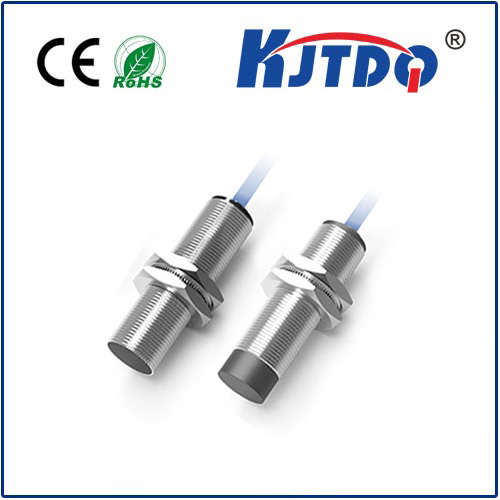
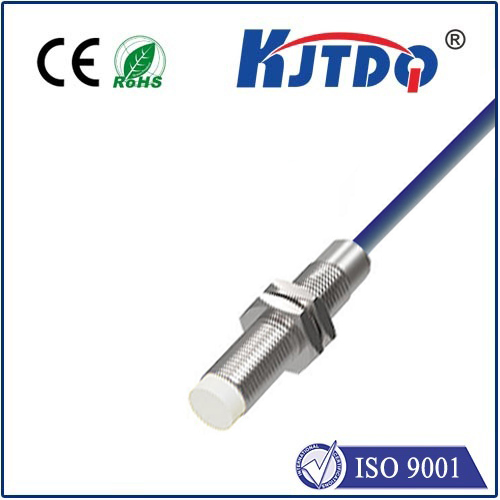
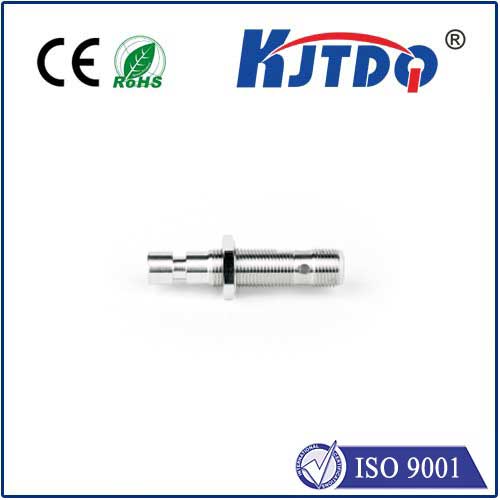
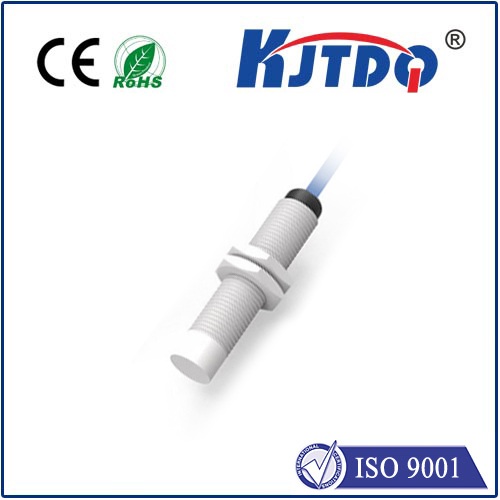
At its heart, the KGG20H3BN is engineered to perform flawlessly under extreme pressure conditions. Unlike standard inductive or capacitive sensors, its specialized construction allows it to maintain accurate detection and switching functions even when subjected to significant external hydraulic or pneumatic pressures. This capability is paramount in systems like hydraulic presses, injection molding machines, and heavy-duty clamping applications, where pressure fluctuations are constant and sensor failure can lead to costly downtime or safety hazards. The sensor's housing is typically crafted from high-grade stainless steel, offering exceptional resistance to mechanical stress, corrosion, and ingress from coolants or oils, often achieving IP67 or higher protection ratings.
The operational principle of the KGG20H3BN is based on a ruggedized sensing element that detects the presence or absence of a metallic target without physical contact. This non-contact operation eliminates wear and tear, ensuring a long operational lifespan measured in millions of cycles. Its output is typically a stable, clean switching signal—commonly PNP or NPN configuration—that interfaces seamlessly with Programmable Logic Controllers (PLCs) and other control systems. The sensing distance, while precise and repeatable, is optimized for high-pressure zones, meaning installation and alignment are critical for maximizing performance. Technicians appreciate its straightforward mounting options and the clear visual indicators, usually an LED, that signal operational status and target detection, simplifying setup and troubleshooting.
The real-world applications for the KGG20H3BN are vast and varied across multiple industries. In automotive manufacturing, it plays a crucial role in monitoring piston positions within high-pressure die-casting machines. Within the oil and gas sector, it is deployed on valve actuators and pipeline systems to confirm component positioning under immense line pressures. The food and beverage industry, with its stringent hygiene standards, utilizes versions with appropriate seals for processes involving high-pressure cleaning or filling. Furthermore, in metal fabrication and stamping, these sensors provide reliable feedback on tooling positions in presses, ensuring each cycle is executed correctly and safely. Their ability to resist shock and vibration makes them indispensable in mobile hydraulic equipment used in construction and agriculture.
Choosing the KGG20H3BN over conventional sensors translates into tangible operational benefits. The foremost is unparalleled reliability. By withstanding pressure spikes and harsh contaminants, it dramatically reduces unplanned maintenance stops. This reliability directly enhances overall equipment effectiveness (OEE) and production throughput. Secondly, its durability leads to a lower total cost of ownership. Despite a potentially higher initial investment compared to standard sensors, its extended service life and reduced failure rate result in significant savings on replacement parts and labor over time. Finally, it contributes to system safety. Accurate position feedback in high-pressure systems is often a critical safety interlock, preventing machine cycles if a tool or guard is not correctly positioned, thereby protecting both personnel and capital equipment.
When integrating the KGG20H3BN, several best practices should be followed. Ensure the sensor's pressure rating exceeds the maximum possible system pressure, including any surge peaks. Proper mounting is essential; the sensor must be securely fastened to avoid misalignment caused by vibration. Cable management is also crucial—using high-flex, shielded cables with secure gland fittings prevents damage and ensures signal integrity in electrically noisy industrial environments. Regular preventative checks, though minimal, should include inspecting the sensing face for buildup and verifying the integrity of the housing and cable.
In conclusion, the KGG20H3BN High Pressure Proximity Sensor is not merely a component but a strategic asset for any operation involving demanding pressure conditions. It embodies a fusion of ruggedness and precision, delivering the consistent performance required for modern, high-stakes industrial automation. For engineers seeking to bolster system resilience, minimize downtime, and ensure safe operation, specifying the KGG20H3BN is a decision grounded in technical foresight and operational wisdom. Its value is measured not just in its specifications, but in the uninterrupted productivity it safeguards day after day.