check

check

check

check

check

check
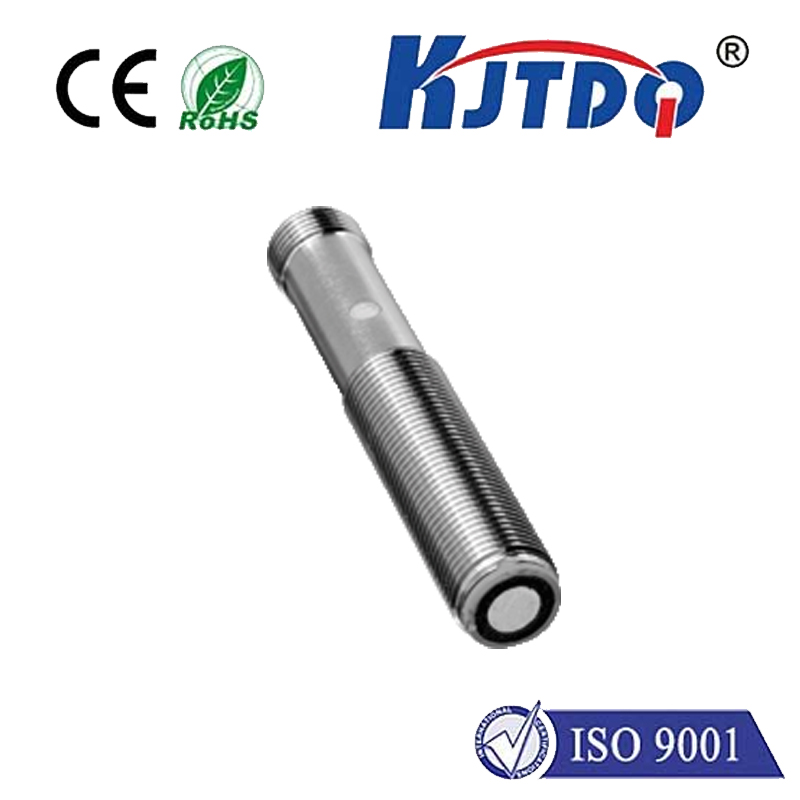
In the relentless world of industrial automation, where machinery operates under extreme pressures and in unforgiving conditions, sensor failure is not an option. Downtime translates directly to lost productivity and revenue. This is where precision engineering meets rugged reliability. The KJTDQ BD2.5-P3-M12S-627 High Pressure Proximity Sensor stands as a testament to this principle, engineered specifically to deliver unwavering performance where standard sensors falter.
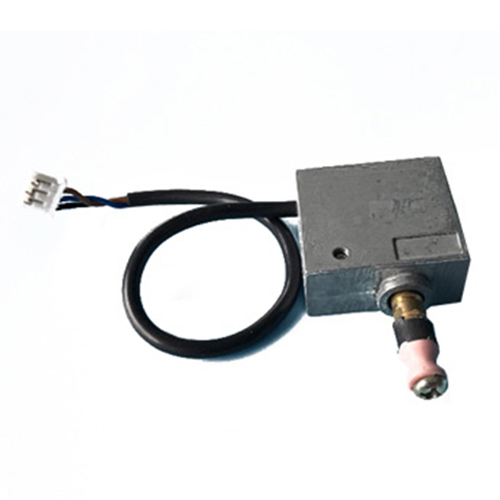
The core challenge in high-pressure applications, such as hydraulic systems, die-casting machines, plastic injection molding, and heavy-duty press lines, is the immense physical stress exerted on equipment. Conventional inductive proximity sensors often succumb to housing deformation, seal failure, or internal component damage when subjected to sustained high pressure. The BD2.5-P3-M12S-627 is designed from the ground up to conquer this environment. Its defining feature is a robust, stainless steel housing rated to withstand exceptional pressure levels, ensuring the internal electronics remain completely protected and fully functional. This robust construction prevents false triggers and signal loss, guaranteeing consistent and accurate detection of metallic targets, even when submerged in hydraulic fluid or exposed to intense mechanical forces.
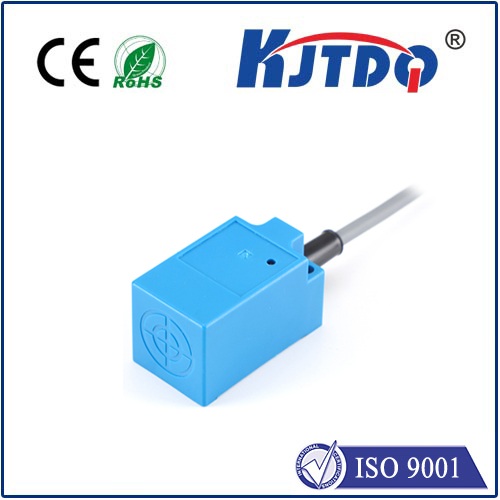
Beyond its pressure resistance, the M12S-627 model incorporates a series of features that make it a versatile and dependable choice for engineers. The compact BD2.5-P3 form factor allows for easy installation in space-constrained locations, a common scenario in complex machinery. The integrated M12 connector, denoted by the "S" in its model name, simplifies wiring, reduces installation time, and provides a secure, industry-standard connection that resists vibration loosening. This plug-and-play capability is crucial for maintaining efficient production line setup and quick replacement procedures.
The sensor utilizes a high-frequency oscillation principle to detect ferrous and non-ferrous metals with remarkable precision. Its short switching distance is optimized for precise positioning tasks, ensuring that machine cycles initiate or halt at the exact correct moment. This accuracy is paramount for quality control, preventing part misalignment and ensuring every manufactured component meets strict specifications. Furthermore, the device is built to endure more than just pressure. It typically features high resistance to temperature fluctuations, water, coolants, and cutting oils, encapsulated in an IP67 or higher ingress protection rating. This makes it suitable not only for high-pressure zones but also for washdown areas in food and beverage processing or other wet industrial settings.
Reliability translates to cost savings. By specifying the KJTDQ BD2.5-P3-M12S-627, plant managers and automation engineers invest in reducing unplanned maintenance. Its durability leads to a longer service life, lowering the total cost of ownership by minimizing replacement frequency and associated labor costs. The sensor's consistent performance also contributes to overall equipment effectiveness (OEE), ensuring production lines run smoothly with fewer interruptions due to sensor-related faults.
In practical application, this sensor is the silent guardian of critical processes. It can be found reliably monitoring piston position in a hydraulic cylinder, confirming mold closure in an injection molding machine, or verifying the presence of a metal component before a high-pressure stamping operation. In each role, it provides the essential feedback that programmable logic controllers (PLCs) rely on to automate sequences safely and efficiently.
Selecting the right sensor is a strategic decision. The KJTDQ BD2.5-P3-M12S-627 High Pressure Proximity Sensor offers a clear answer for applications demanding resilience. It represents a fusion of specialized material science, thoughtful design for industrial connectivity, and a commitment to operational longevity. For system integrators and maintenance teams facing the challenges of high-pressure environments, this sensor is not merely a component; it is a cornerstone for building robust, reliable, and high-performing automated systems that stand the test of time and pressure.