check

check

check

check

check

check
In the demanding world of industrial automation and heavy machinery, the margin for error is virtually zero. Equipment failure or inaccurate readings can lead to catastrophic downtime, safety hazards, and significant financial loss. This is where precision sensing technology becomes the unsung hero of the production line. Among the critical components ensuring seamless operation, the HR12-1018-781.5E2 High Pressure Proximity Sensor stands out as a paragon of reliability and durability in extreme environments.
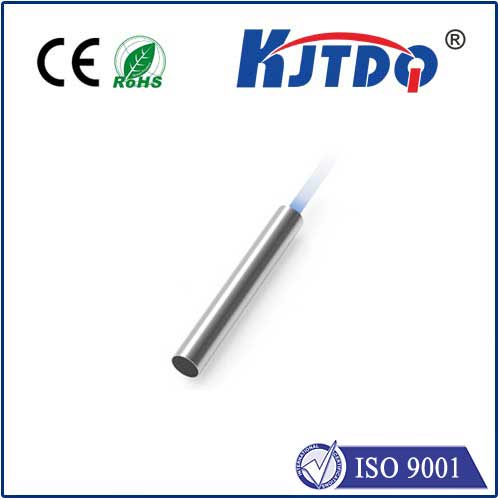
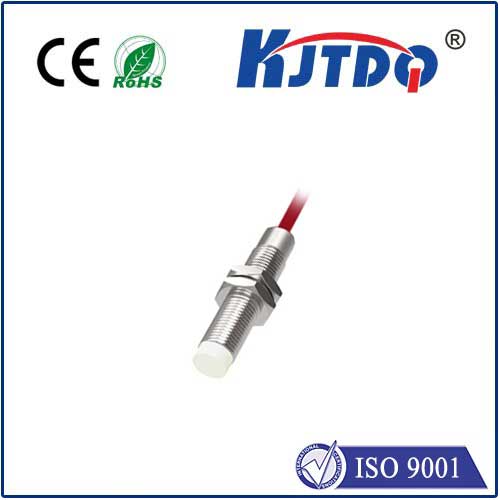
Unlike standard inductive sensors, the HR12-1018-781.5E2 is engineered specifically to withstand and accurately perform under exceptionally high-pressure conditions. Its robust construction is not an afterthought but a fundamental design principle. The housing is typically crafted from high-grade stainless steel, providing exceptional resistance to corrosion, physical impact, and the ingress of fluids or contaminants. This makes it an ideal choice for applications in hydraulic systems, die-casting machines, injection molding equipment, and high-pressure testing rigs, where sensors are constantly exposed to punishing forces.
The core functionality of this sensor is based on a ruggedized inductive sensing principle. It generates an electromagnetic field and detects the presence or absence of a metallic target without any physical contact. The "HR12-1018-781.5E2" designation itself is a code that speaks to its specifications: likely indicating a particular housing style (HR12), sensing distance, electrical connection type (1018), and the critical pressure rating (781.5E2, which often denotes a pressure resistance up to 400 bar or more, though exact specifications must be verified with the manufacturer's datasheet). This non-contact operation is crucial as it eliminates mechanical wear and tear, ensuring a long operational life even with millions of cycles.
One of the most significant advantages of the HR12-1018-781.5E2 is its unwavering accuracy under stress. High pressure can distort sensor housings and affect the internal electronics of lesser units, leading to false triggers or failed detection. This sensor is meticulously calibrated and built to maintain its sensing characteristics—whether it's a standard 2mm, 5mm, or 8mm sensing range—regardless of the external pressure exerted on its body. This reliability translates directly to process stability. For instance, in a hydraulic press, it can precisely detect the position of a piston rod, ensuring the press stops or starts at the exact millisecond required, which is vital for product quality and tooling safety.
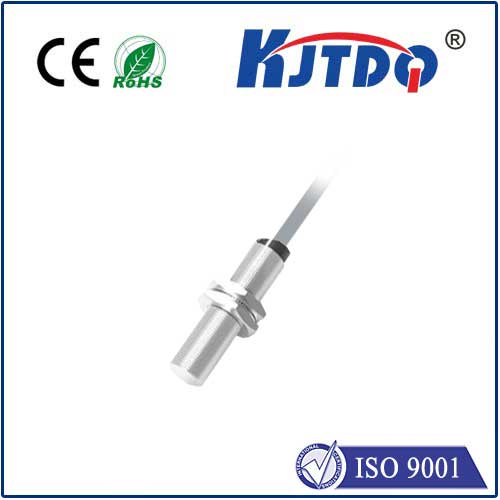
Installation and integration are streamlined for efficiency. Many models in this series feature a compact, cylindrical design with built-in LED status indicators, allowing for quick visual confirmation of operation. They are often available with various output types (like PNP/NPN) and connection options (pre-wired cables or quick-disconnect plugs) to seamlessly interface with PLCs (Programmable Logic Controllers) and other control systems. This plug-and-play capability reduces commissioning time and simplifies maintenance schedules.
When selecting a high-pressure proximity sensor like the HR12-1018-781.5E2, several factors must be prioritized beyond just the pressure rating. The material of the sensing face must be compatible with the environment to prevent corrosion. The temperature range is another critical spec, ensuring performance in both hot and cold operational settings. Electrical requirements, including operating voltage and current output, must match the control system's specifications. Finally, certifications for use in hazardous areas or with specific industry standards may be necessary for compliance.
In practical terms, the deployment of this sensor leads to tangible benefits. It enhances machine safety by providing reliable feedback for emergency stop circuits. It boosts productivity by preventing malfunctions and unplanned stoppages. Most importantly, it protects capital investment by safeguarding expensive machinery from damage due to positional errors. For plant managers and maintenance engineers, specifying a component like the HR12-1018-781.5E2 is a strategic decision for achieving operational excellence.
In conclusion, the HR12-1018-781.5E2 High Pressure Proximity Sensor is more than just a component; it is a critical investment in industrial resilience. Its specialized design for high-pressure applications delivers the accuracy, durability, and reliability that modern automated systems demand. By ensuring precise non-contact detection where it matters most, it forms a fundamental layer of protection and performance, driving efficiency and safety on the factory floor every day.