check

check

check

check

check

check
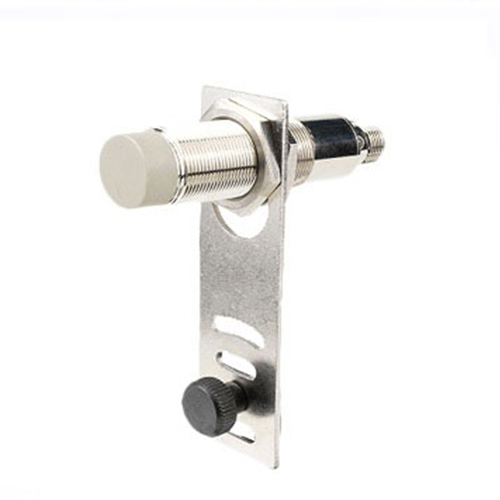
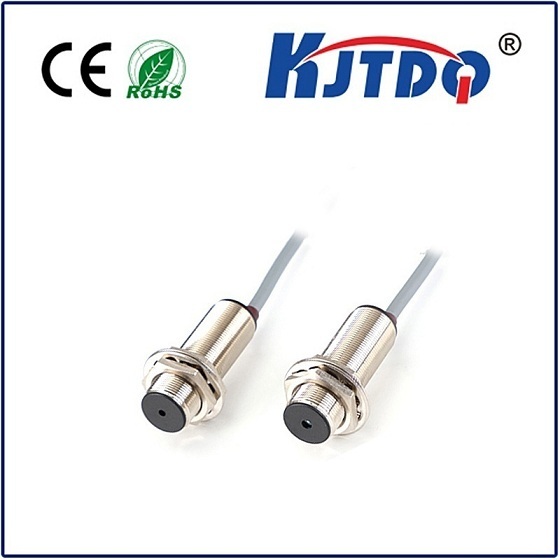
In the relentless world of industrial automation, where machinery operates under extreme pressures and in unforgiving conditions, the reliability of every component is non-negotiable. Sensor failure can lead to catastrophic downtime, safety hazards, and significant financial loss. This is where precision-engineered components like the KJTDQ Ni15-M30-OD61L-Q12 High Pressure Proximity Sensor step into the spotlight, engineered not just to function, but to excel where others falter.
The core challenge in high-pressure applications—common in hydraulic systems, die-casting machines, plastic injection molding, and heavy-duty press lines—is environmental stress. Standard inductive proximity sensors can suffer from housing deformation, seal failure, or internal component damage when subjected to sustained high external pressure. The Ni15-M30-OD61L-Q12 is specifically designed to counteract these forces. Its robust stainless steel housing is more than just durable; it's engineered to maintain structural integrity and seal performance under continuous pressure, ensuring the sensing element within remains perfectly protected and calibrated.
Beyond its pressure resistance, the "OD61L" designation hints at another critical feature: its extended sensing range. This allows for greater flexibility in mounting, enabling technicians to position the sensor at a safer distance from the target or moving parts. This is crucial in cramped machinery layouts or where heat or vibration from the target object could affect a standard-range sensor. The increased stand-off distance simplifies installation and maintenance, reducing the risk of accidental damage during operation or servicing.
Accuracy and repeatability are the hallmarks of a superior sensor. The Ni15-M30-OD61L-Q12 provides a stable and precise switching signal, even in the presence of heavy vibration, temperature fluctuations, or contaminants like oil mist and metallic particles. This consistent performance is vital for process control. Whether it's detecting the position of a piston in a hydraulic cylinder, confirming mold closure in an injection press, or ensuring a robotic gripper has securely engaged a part, this sensor delivers a trustworthy signal that control systems can depend on cycle after cycle.
The M30 form factor is an industry standard for a reason, offering an excellent balance between sensing performance, physical robustness, and ease of integration. The Ni15-M30-OD61L-Q12 leverages this familiar design, making it a drop-in upgrade for many existing systems. Its high-pressure capability means it can directly replace standard M30 sensors in applications where pressure resistance was previously a weak link, thereby enhancing overall system reliability without requiring a complete redesign of the machine mounting points.
Electrical integration is straightforward. Featuring a reliable PNP normally-open (NO) switching output, the sensor interfaces seamlessly with standard programmable logic controllers (PLCs) and industrial control circuits. The inclusion of a quick-disconnect connector or a pre-wired cable option, typical for this series, further speeds up installation and replacement, minimizing machine downtime during changeovers.
For plant managers and maintenance engineers, the value proposition is clear. Implementing the KJTDQ Ni15-M30-OD61L-Q12 High Pressure Proximity Sensor is a proactive strategy for reducing unplanned stoppages. Its rugged construction translates to a longer service life and a lower total cost of ownership compared to sensors that require frequent replacement in harsh conditions. It enhances safety by providing reliable machine state feedback and contributes to smoother, more efficient production cycles.
In conclusion, the KJTDQ Ni15-M30-OD61L-Q12 is not merely a sensor; it is a dedicated high-pressure specialist. It addresses a specific and critical vulnerability in industrial automation with targeted engineering. For any application where external pressure is a constant threat to sensor integrity, choosing this model represents a commitment to resilience, precision, and uninterrupted productivity. It’s the definitive choice for engineers who specify components based on long-term performance, not just initial price.