check

check

check

check

check

check
In the demanding world of industrial automation and heavy machinery, the reliability of every component is non-negotiable. Among these critical components, proximity sensors play a pivotal role in ensuring operational safety, precision, and efficiency. The DW-AS-523-P12-621 High Pressure Proximity Sensor stands out as a specialized solution engineered to thrive where others falter—in environments characterized by extreme pressure, contamination, and mechanical stress. This guide delves into the core features, applications, and selection criteria for this robust sensor, providing essential insights for engineers and procurement specialists.
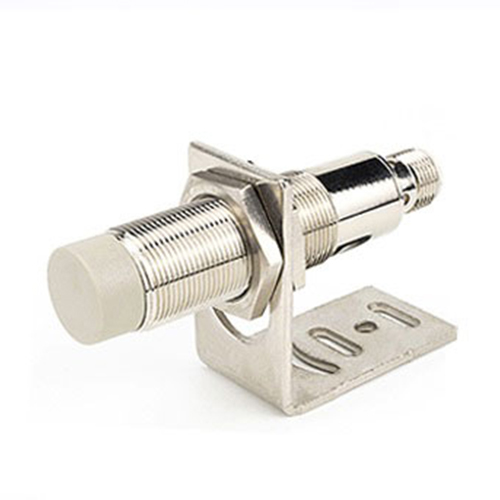
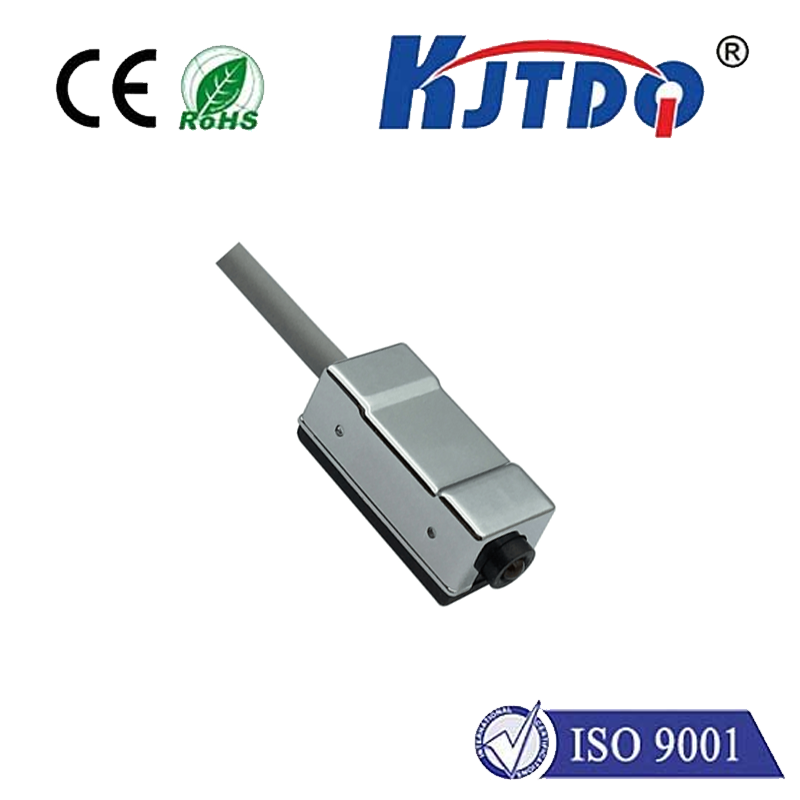
The defining characteristic of the DW-AS-523-P12-621 is its exceptional resilience to high-pressure conditions. Traditional inductive or capacitive sensors can fail or provide inaccurate readings when subjected to the intense forces found in hydraulic systems, die-casting machines, or high-pressure processing equipment. The P12-621 variant is specifically housed and sealed to withstand these challenges. Its construction typically involves a stainless-steel sensing face and a rugged, pressure-rated body that prevents ingress of fluids and maintains structural integrity. This design ensures consistent detection of metallic targets—whether it's a piston position in a hydraulic cylinder or a valve seat in a high-pressure pump—without signal drift or physical damage.
Beyond mere pressure resistance, this sensor is built for longevity in harsh industrial settings. It commonly features high IP (Ingress Protection) and IK (Impact Protection) ratings, making it resistant to water, oil, dust, and mechanical impacts. The electrical output, often a stable PNP or NPN switching signal, is designed for seamless integration with standard PLC (Programmable Logic Controller) systems. Its installation is streamlined thanks to standardized mounting threads, allowing for quick replacement or integration into existing machinery setups. The sensing range, while precise, is optimized for close-proximity detection, a critical requirement in space-constrained, high-pressure environments where over-travel must be minimized.
The practical applications of the DW-AS-523-P12-621 sensor are vast and critical. In the hydraulic press industry, it is indispensable for monitoring cylinder end positions, preventing over-extension and ensuring synchronized movement. Within plastic injection molding machines, it detects mold closure under immense tonnage, a fundamental safety and quality control function. The oil and gas sector utilizes these sensors on wellhead equipment and high-pressure valves to confirm the open/closed status of critical flow controls. Furthermore, in heavy vehicle manufacturing, such as for construction and agricultural machinery, these sensors monitor the position of high-pressure hydraulic actuators in booms and lifts, contributing directly to operational safety and control precision.
Selecting the right high-pressure proximity sensor requires careful consideration of several parameters. First, verify the maximum pressure rating of the sensor against the peak operating pressure of your application, including any potential pressure spikes. The chemical compatibility of the sensor's housing and seal materials with the surrounding media (e.g., hydraulic oil, coolant, or process fluids) is equally crucial to prevent corrosion or seal degradation. Electrical requirements, such as operating voltage (commonly 10-30V DC), output type, and connection style (pre-wired cable or connector), must match the control system's specifications. Finally, consider the environmental temperature range and the required sensing distance to ensure reliable performance under all operating conditions.
Maintenance, though minimal for these robust devices, is key to maximizing service life. Regular visual inspections for physical damage or buildup of debris on the sensing face are recommended. Checking the integrity of electrical connections and conduits can prevent signal interruptions. While the DW-AS-523-P12-621 is designed for durability, understanding its limits and operating within specified parameters is the most effective strategy for preventing premature failure and avoiding costly unplanned downtime.
In conclusion, the DW-AS-523-P12-621 High Pressure Proximity Sensor represents a focused answer to a specific and challenging set of industrial conditions. Its value lies not in universal applicability, but in its targeted performance where pressure is a dominant factor. For system designers and maintenance engineers working with hydraulic systems, high-pressure processing, or heavy-duty automation, specifying a sensor of this caliber is an investment in system resilience, safety, and long-term operational continuity. It transforms a simple detection task into a reliable cornerstone of complex industrial processes.