check

check

check

check

check

check
In the high-stakes world of industrial automation, where machinery operates under extreme pressures and within tight tolerances, component failure is not an option. The relentless demand for reliability, precision, and durability has led engineers and maintenance professionals to seek out sensors that can withstand the most punishing environments. Enter the BES 516-300-S270-S4-D, identified by the part number BHS0035, a high-pressure proximity sensor engineered to deliver unwavering performance where others falter.
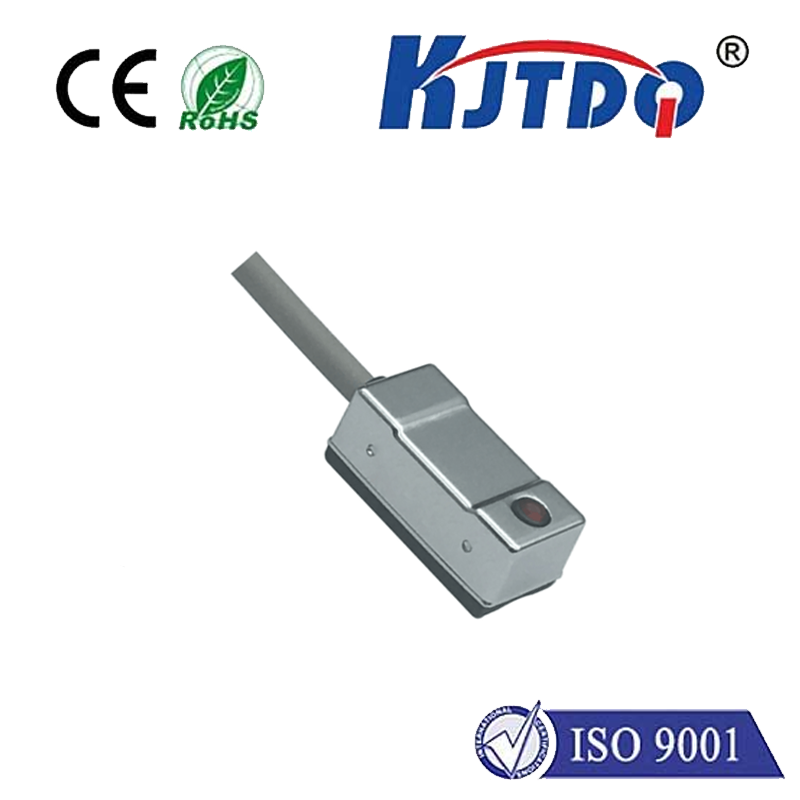
This sensor represents a pinnacle of design tailored for applications involving high-pressure media, such as hydraulic systems, heavy-duty presses, injection molding machines, and offshore drilling equipment. Its core function is to detect the presence or position of a metallic target without physical contact, a critical task in systems where pressure spikes are common and mechanical wear must be minimized. The designation "S270" and "S4" within its model number are not mere codes; they signify specific technical characteristics related to its sensing range, electrical output, and housing design, making it a specialized tool for precise operational requirements.
What truly sets the BES 516-300-S270-S4-D apart is its robust construction. The housing is typically crafted from high-grade stainless steel, providing exceptional resistance to corrosion, mechanical stress, and the ingress of fluids or particulates. This ruggedness is paramount when the sensor is exposed to high-pressure washdowns, abrasive dust, or corrosive chemicals commonly found in mining, chemical processing, and food & beverage industries. The internal electronics are potted or shielded to withstand significant vibration and shock, ensuring signal stability even on mobile machinery or equipment subject to constant impact.
The operational principle is based on inductive sensing. The sensor generates an electromagnetic field. When a metallic target enters this field, eddy currents are induced, causing a change in the field's oscillation. The sensor's sophisticated circuitry detects this change and triggers a clean, switch-like output signal—designated by the "D" in its name, often indicating a DC 3-wire configuration with either a PNP (sourcing) or NPN (sinking) transistor output. This provides seamless integration with Programmable Logic Controllers (PLCs) and other industrial control systems. The "High Pressure" capability means its housing and sealing are specifically engineered to maintain integrity and functionality when the surrounding ambient pressure is exceptionally high, preventing failure or false signals.
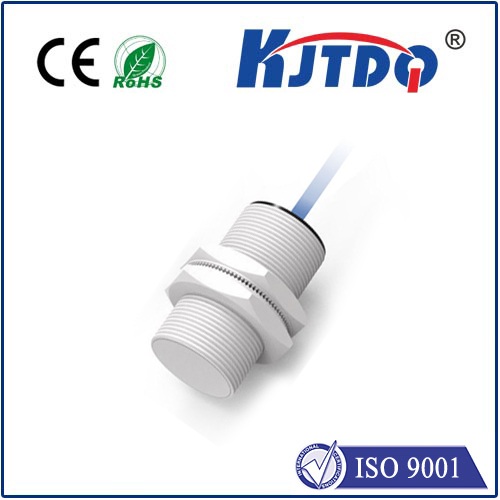
Installation and integration are streamlined for efficiency. The sensor features a standardized M30 housing, a common thread size in industrial settings, allowing for easy mounting into prepared fixtures. Its design often includes LED status indicators for quick visual confirmation of operation and power, drastically reducing diagnostic time during setup or troubleshooting. For maintenance teams, this translates to less downtime and higher overall equipment effectiveness (OEE).
Consider a real-world scenario in a steel mill: a hydraulic cylinder controlling a massive rolling press. The precise positioning of the cylinder rod is critical for product quality and safety. A standard proximity sensor might fail due to the immense pressure pulses within the hydraulic system or the intense ambient heat. The BES 516-300-S270-S4-D, however, is built for this environment. It reliably provides position feedback cycle after cycle, enabling precise control, preventing machine damage, and ensuring a continuous, safe production flow. Its longevity in such conditions directly reduces total cost of ownership by minimizing unplanned stoppages and replacement frequency.
In conclusion, the BES 516-300-S270-S4-D (BHS0035) is far more than just a component; it is a reliability investment. For system integrators, plant managers, and design engineers facing the challenges of high-pressure, harsh industrial applications, selecting this sensor means choosing a partner engineered for resilience. It ensures that sensing—a fundamental input for automation—remains the most dependable link in the chain, safeguarding productivity, safety, and profitability in the most demanding operational landscapes.