check

check

check

check

check

check
In the demanding world of industrial automation and process control, the reliability and accuracy of sensing technology are non-negotiable. Among the critical components ensuring operational safety and efficiency, pressure sensors stand out. The KGG12P2BD High Pressure Proximity Sensor represents a pinnacle of engineering in this domain, designed to deliver exceptional performance in the most challenging environments. This guide delves into the core features, operational principles, and diverse applications of this robust sensor, providing a comprehensive overview for engineers and procurement specialists.
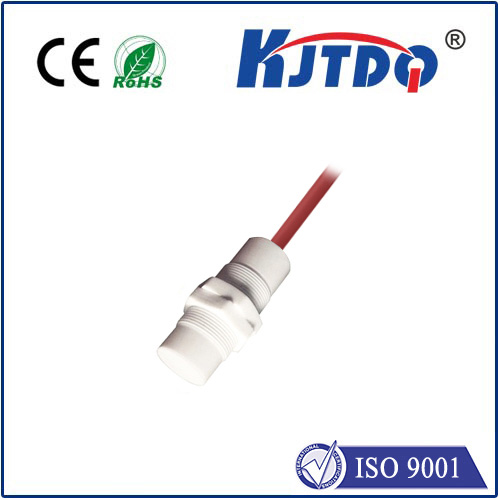
The KGG12P2BD is engineered specifically for high-pressure applications where traditional sensors might fail. Its defining characteristic is its ability to accurately detect the presence or absence of a target object in close proximity, even under extreme pressure conditions. This is achieved through a ruggedized construction that typically incorporates a stainless-steel housing, capable of withstanding significant mechanical stress and corrosive media. The sensing element is meticulously calibrated to maintain precision, ensuring that output signals remain stable and reliable regardless of external pressure fluctuations. This stability is crucial for systems where a minor deviation can lead to process inefficiencies or safety hazards.
At the heart of its operation lies advanced proximity sensing technology. Unlike direct-contact sensors, the KGG12P2BD often utilizes an inductive or capacitive principle to detect metallic or non-metallic targets, respectively, without physical touch. This non-contact operation eliminates wear and tear, significantly extending the sensor's service life and reducing maintenance downtime. The "High Pressure" designation indicates its specialized design for environments such as hydraulic systems, pneumatic presses, injection molding machines, and oil & gas pipelines, where system pressures can reach several hundred bar. Its robust sealing, often meeting IP67 or higher standards, ensures integrity against fluid ingress, making it suitable for washdown areas or outdoor installations.
The application spectrum of the KGG12P2BD sensor is remarkably broad. In manufacturing, it is indispensable for monitoring hydraulic cylinder positions in heavy machinery, ensuring precise movement control in stamping and pressing operations. Within the energy sector, it plays a vital role in pipeline pressure monitoring and safety shut-off systems, helping to prevent overpressure incidents. The automotive industry leverages its reliability for testing equipment and assembly line automation where consistent pressure thresholds must be maintained. Furthermore, its durability makes it an excellent choice for mobile hydraulics in construction and agricultural equipment, subjected to constant vibration and shock.
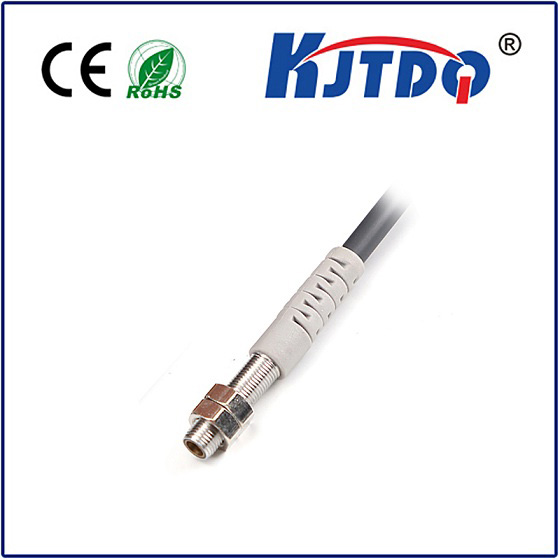
Integration into existing control systems is streamlined due to standardized electrical outputs. Common configurations include PNP/NPN transistor outputs or analog voltage/current signals (0-10V, 4-20mA), providing seamless compatibility with Programmable Logic Controllers (PLCs) and industrial computers. Installation is straightforward, with various mounting options like threaded barrels facilitating easy incorporation into machinery. When selecting and deploying the KGG12P2BD, key considerations include the specific pressure range, media compatibility, required sensing distance, output type, and environmental factors like temperature extremes. Proper selection ensures optimal performance and longevity.
Ultimately, the KGG12P2BD High Pressure Proximity Sensor is more than just a component; it is a critical investment in operational resilience. By offering unwavering accuracy, exceptional durability, and versatile integration in high-pressure scenarios, it empowers industries to enhance safety protocols, optimize process efficiency, and minimize unplanned stoppages. For engineers seeking a dependable solution to monitor and control high-pressure processes, understanding the capabilities and correct application of this sensor is a fundamental step toward building more robust and intelligent industrial systems.