check

check

check

check

check

check
In the demanding world of industrial automation and process control, the reliability and accuracy of sensor technology are non-negotiable. Among the critical components ensuring operational safety and efficiency, proximity sensors stand out, especially when engineered to withstand extreme environments. The KGG20H3BP High Pressure Proximity Sensor represents a pinnacle of this engineering, designed specifically for applications where high pressure, harsh conditions, and precise non-contact detection are paramount. This guide delves into the features, benefits, and ideal use cases of this robust sensor.
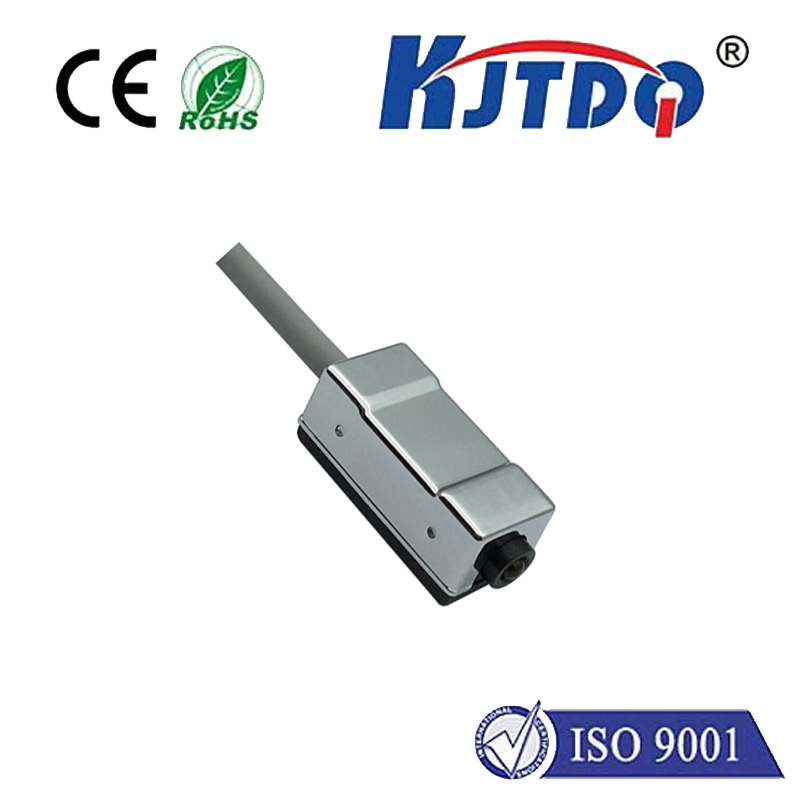
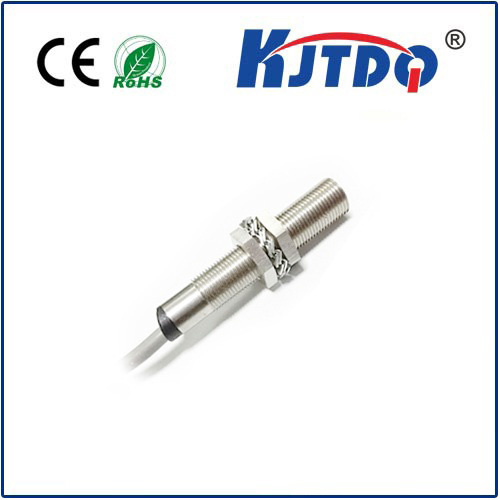
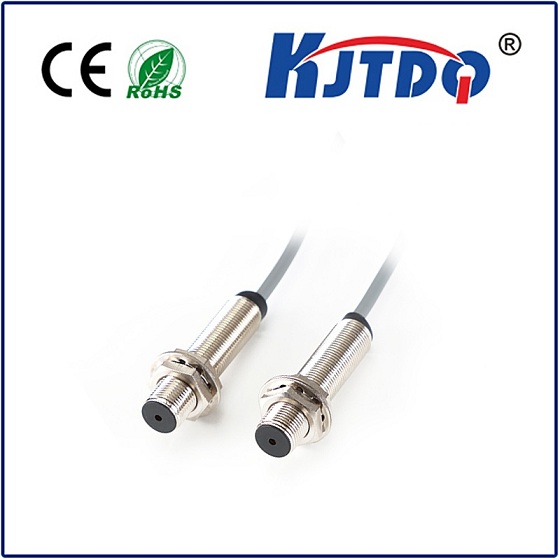
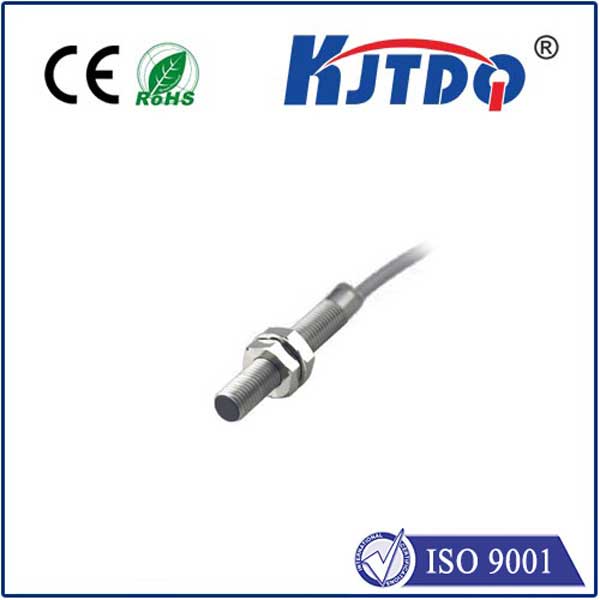
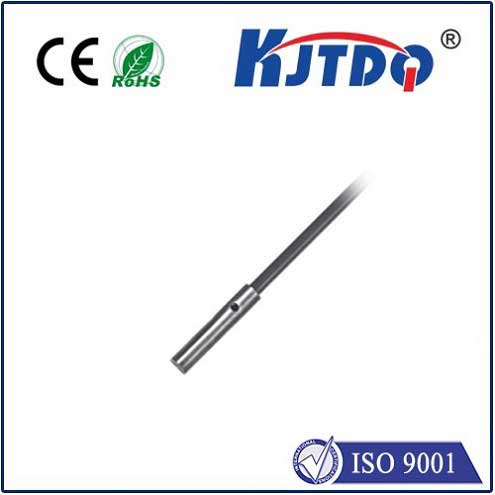
The core function of the KGG20H3BP is to detect the presence or absence of metallic objects without any physical contact. What sets it apart is its exceptional construction, built to endure high-pressure environments that would compromise standard sensors. Typically housed in a rugged, stainless-steel body, it offers superior resistance to corrosion, mechanical stress, and pressure fluctuations. This durability is crucial in industries like oil and gas, hydraulic systems, and heavy machinery, where equipment is subjected to intense forces. The sensor operates on the inductive principle, generating an electromagnetic field. When a metallic target enters this field, it causes a change that the sensor detects, triggering an output signal. The "High Pressure" designation of the KGG20H3BP means its seals and housing are specifically reinforced to prevent ingress and failure under sustained high PSI conditions, ensuring signal stability and longevity.
One of the most significant advantages of the KGG20H3BP is its contribution to predictive maintenance and system safety. By providing consistent, reliable detection of piston positions, valve closures, or component presence in hydraulic cylinders and pressurized systems, it helps prevent catastrophic failures. For instance, in a plastic injection molding machine, accurately sensing the mold position under high clamping pressure is vital for product quality and preventing damage. Similarly, in offshore drilling equipment, these sensors monitor critical components, offering real-time data that can alert operators to potential issues before they escalate. This capability not only reduces unplanned downtime but also extends the lifespan of expensive machinery, offering a substantial return on investment.
Installation and integration of the KGG20H3BP are designed with practicality in mind. Many models feature a compact form factor, allowing them to be mounted in space-constrained areas. They often come with various output options (e.g., PNP, NPN, or analog) and connection types (like M12 connectors) for seamless integration into existing PLC (Programmable Logic Controller) networks. Its high switching frequency allows for the detection of very fast-moving parts, making it suitable for high-speed production lines. Furthermore, its immunity to environmental factors such as dust, oil, and coolants—common in industrial settings—ensures consistent performance without false triggers.
When selecting a high-pressure proximity sensor like the KGG20H3BP, several technical specifications require careful consideration. The pressure rating is, of course, primary; it must exceed the maximum operating pressure of the application. Sensing distance, target material (typically ferrous metals), operating temperature range, and supply voltage compatibility are all critical parameters. It is always recommended to consult the manufacturer's datasheet and, if necessary, application engineers to ensure the selected model matches the specific environmental and functional demands. Proper installation, following guidelines for mounting distance and avoiding sensor face contact with the target, is essential for optimal performance.
In conclusion, the KGG20H3BP High Pressure Proximity Sensor is more than just a component; it is a guardian of industrial process integrity. Its specialized design for high-pressure applications fills a vital niche, providing the reliability needed for safe, efficient, and continuous operation. From managing complex hydraulic systems to ensuring precision in manufacturing under duress, this sensor exemplifies how targeted engineering solutions solve real-world industrial challenges. For engineers and maintenance professionals seeking to enhance system resilience and data accuracy in tough conditions, understanding and utilizing the capabilities of the KGG20H3BP is a strategic step toward operational excellence.