check

check

check

check

check

check
In the world of industrial automation and process control, the margin for error is razor-thin. Equipment must operate flawlessly under extreme conditions, where pressure, temperature, and environmental factors relentlessly test the limits of standard components. This is where specialized sensing technology becomes not just an advantage but an absolute necessity. The DW-AD-501-P12 High Pressure Proximity Sensor stands as a prime example of engineering designed to conquer these challenges, offering unparalleled reliability where it matters most.
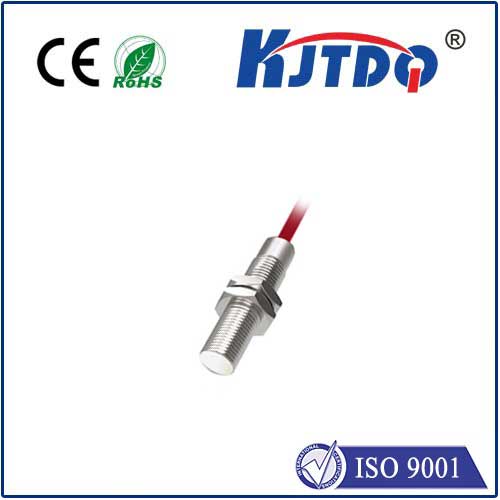
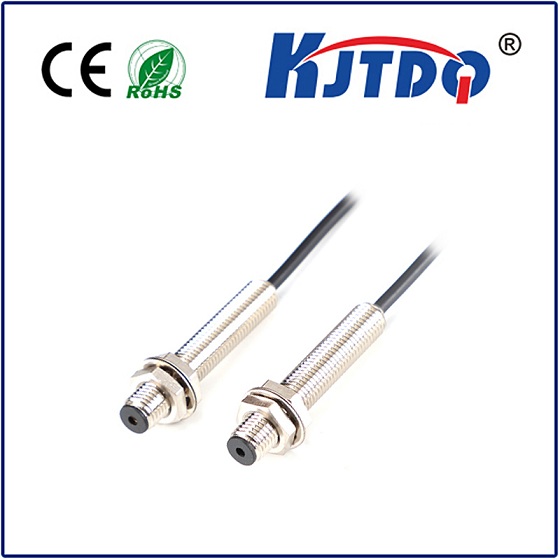
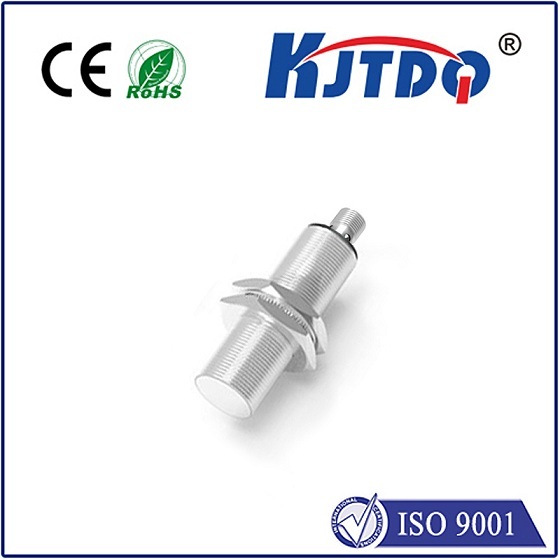
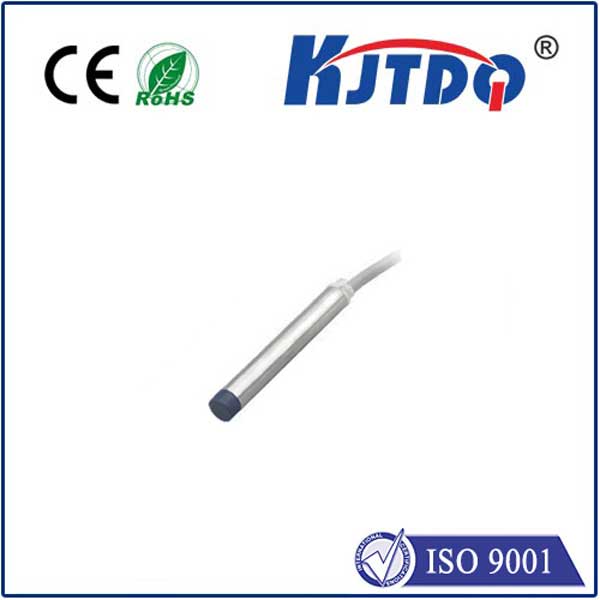
At its core, the DW-AD-501-P12 is a non-contact inductive proximity sensor built to perform in environments with exceptionally high ambient pressure. Unlike standard sensors that might falter or provide inconsistent readings when external pressure rises, this model is specifically hardened against such forces. Its robust housing and internal design ensure that the sensing characteristics remain stable and accurate, even when submerged in hydraulic systems or installed within pressurized chambers. The "P12" designation often correlates with a specific pressure rating, indicating its suitability for applications where pressure is a constant and critical factor.
The applications for a sensor of this caliber are found in industries where downtime is not an option. In heavy machinery and hydraulic power units, the sensor can reliably detect the position of pistons, valve spools, or other metallic components within high-pressure cylinders. Its performance ensures precise feedback for control systems, enabling efficient and safe operation of presses, injection molding machines, and construction equipment. Within the oil and gas sector, it can be deployed in subsea equipment or surface processing units to monitor equipment status. Similarly, in chemical processing plants, where pipelines and reactors operate under high pressure, the DW-AD-501-P12 provides a dependable solution for position sensing and limit switching, contributing to process integrity and safety.
Key features that define the DW-AD-501-P12 extend beyond its pressure resistance. Typically constructed from high-grade stainless steel, the sensor body offers exceptional resistance to corrosion, impacts, and vibration. This durability translates to a long service life even in the most punishing environments. The sensing face is designed to be flush-mountable, allowing for easy installation in tight spaces without losing detection capability. Furthermore, it often incorporates protection against short-circuits, overload, and reverse polarity, safeguarding both the sensor and the broader control system from electrical faults. The output is typically a stable, clean switching signal—either PNP or NPN configuration—ensuring seamless integration with Programmable Logic Controllers (PLCs) and other industrial electronics.
Selecting the right sensor for a high-pressure application requires careful consideration. It is crucial to verify the exact pressure rating, temperature range, and output type against the specific operational requirements. The target material must be ferrous (iron-based) for standard inductive models, and the sensing distance must be appropriate for the mechanical setup. Environmental factors like exposure to coolants, chemicals, or continuous washdowns should also be reviewed against the sensor's ingress protection (IP) rating. The DW-AD-501-P12 is engineered to meet many of these stringent criteria, but confirming specifications with technical datasheets is an essential step.
Ultimately, the value of a component like the DW-AD-501-P12 High Pressure Proximity Sensor is measured by the reliability it injects into a system. It represents a focused solution to a specific set of industrial challenges. By providing accurate, non-contact detection without succumbing to the immense forces present in its operating environment, it helps prevent unplanned stoppages, reduces maintenance costs, and enhances overall operational safety. For engineers and maintenance professionals tasked with designing or sustaining systems in high-pressure domains, integrating such robust sensing technology is a strategic decision that pays dividends in consistent performance and peace of mind. It is a testament to how targeted innovation in sensor technology continues to push the boundaries of what is possible in automated industrial control.