check

check

check

check

check

check
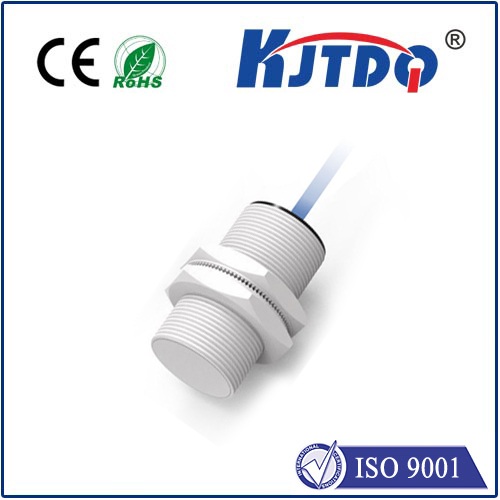
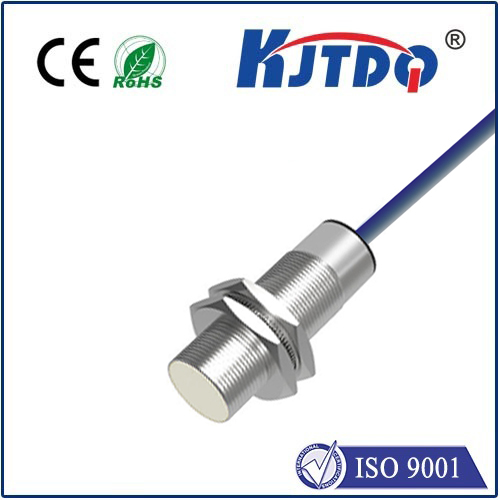
In the relentless world of industrial automation, where machinery operates under extreme pressures and within tight tolerances, the failure of a single component can cascade into costly downtime and compromised safety. This is where precision sensing becomes non-negotiable. The M9H209 High Pressure Proximity Sensor emerges as a critical component engineered specifically to thrive where others falter. Designed for applications involving high-pressure fluids, hydraulic systems, and heavy-duty machinery, this sensor represents a significant leap in reliability and durability for modern industrial operations.
Traditional inductive proximity sensors often reach their limits when confronted with the intense physical stresses of high-pressure environments. Seal integrity can be compromised, housing materials may deform, and electrical performance can drift, leading to unreliable readings and premature failure. The M9H209 is built from the ground up to address these exact challenges. Its robust, stainless-steel housing is not merely for corrosion resistance; it is structurally reinforced to withstand sustained exposure to extreme ambient pressures without compromising the internal sensing element. This ensures consistent performance and signal stability, whether installed on a deep-sea drilling apparatus, within a high-pressure hydraulic press, or on the valve manifold of a chemical processing plant.
The core technology of the M9H209 focuses on unwavering accuracy. Utilizing a high-grade sensing element, it provides precise, non-contact detection of metallic targets even in the presence of strong vibrations and pressure fluctuations that are typical in such harsh settings. This accuracy is paramount for critical control loops, position feedback, and safety interlocks. For instance, in a hydraulic cylinder application, the sensor must reliably detect the piston's end position to initiate the next cycle. Any inconsistency can lead to improper sequencing, potential over-travel, and equipment damage. The M9H209's design minimizes these risks by delivering a stable switching signal, ensuring machines operate as intended, cycle after cycle.
Beyond its resilience, a key advantage of the M9H209 is its simplified integration. Engineers and maintenance personnel appreciate its standardized form factor and connection options, which allow for straightforward replacement of less capable sensors or integration into new system designs. This reduces engineering time and inventory complexity. Furthermore, many models in this series feature advanced diagnostics, such as LED status indicators for quick health checks, which are invaluable for rapid troubleshooting in complex systems. This focus on practical usability translates directly into lower total cost of ownership by minimizing installation time, reducing unplanned maintenance, and extending service intervals.
The applications for the M9H209 High Pressure Proximity Sensor are vast and varied. In the oil and gas sector, it monitors equipment on blowout preventers and subsea control modules. In metal forming and stamping, it provides crucial position feedback on massive hydraulic presses. Within the realm of renewable energy, it can be found in hydroelectric turbine control systems. Anywhere that combines the need for precise proximity sensing with exposure to high-pressure conditions is a potential use case. By providing a dependable "sense of touch" in these invisible but forceful environments, the M9H209 enables smarter automation, enhances operational safety, and protects valuable capital equipment.
Ultimately, selecting a sensor like the M9H209 is an investment in system integrity. It moves beyond basic functionality to offer a guarantee of performance under duress. For plant managers, system integrators, and design engineers, specifying this sensor means choosing a proven defense against one of industry's most common yet demanding environmental challenges. It is not just a component; it is a foundational element for building robust, reliable, and efficient high-pressure industrial systems that are built to last and perform day in and day out.