check

check

check

check

check

check
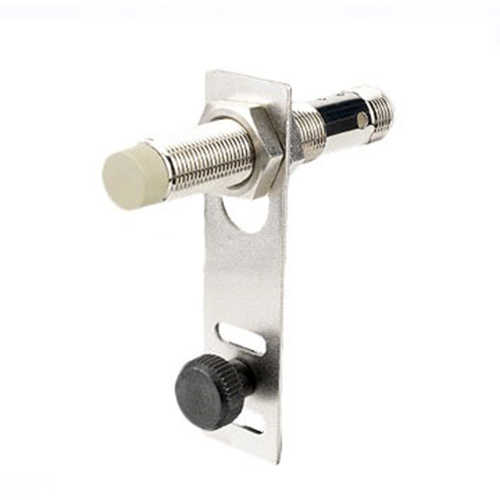
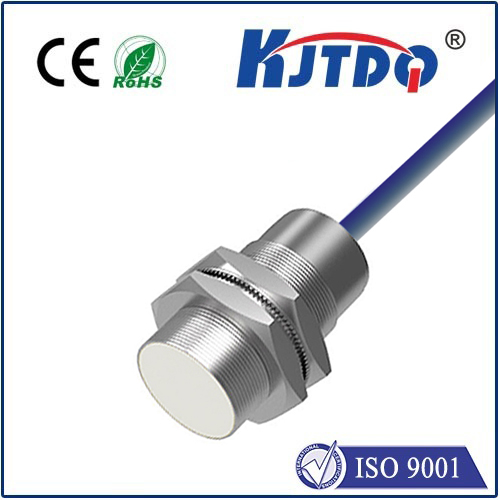
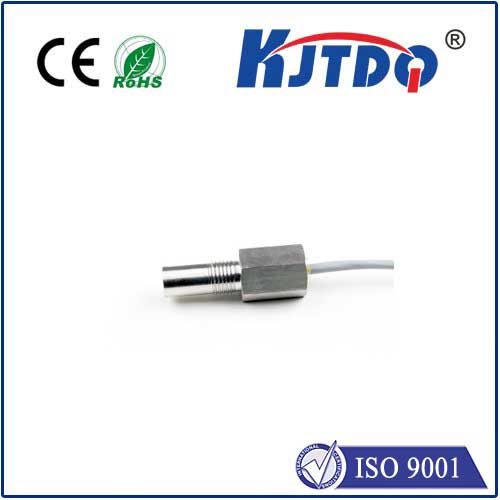
In the rigorous world of industrial automation and process control, the reliability of every component is paramount. The BES 516-300-S162-D-PU-05, also known by its alternative designation BHS001Z, stands out as a high-performance inductive proximity sensor engineered specifically for high-pressure environments. This robust sensor is a critical solution for applications where standard sensors fail, ensuring precise non-contact detection of metallic objects under extreme conditions.
The core challenge in many heavy industries—such as hydraulic systems, die-casting machinery, high-pressure pumps, and offshore equipment—is maintaining operational integrity under immense pressure. Traditional sensors can suffer from housing deformation, seal failure, or signal drift when subjected to such forces. The BES 516-300-S162-D-PU-05 is meticulously designed to overcome these limitations. Its housing is constructed from high-grade, pressure-resistant stainless steel, providing exceptional mechanical strength. The integrated PU (polyurethane) cable, indicated in the model name, offers superior flexibility, oil resistance, and durability against abrasion, which is crucial in dynamic industrial settings.
A key feature of this sensor is its impressive pressure rating. It is capable of withstanding continuous exposure to high-pressure washdowns and can operate reliably in environments where the surrounding medium exerts significant force on the sensor body. This makes it an ideal choice for applications within pressure vessels, hydraulic cylinders, or any system involving pressurized fluids or gases. The "S162" in its part number often references specific technical characteristics like sensing distance, output configuration, or electrical connection, tailored for predictable integration into control systems.
Functionally, the BES 516-300-S162-D-PU-05 operates on the inductive principle. It generates an electromagnetic field from its active face. When a metallic target enters this predefined sensing range, it causes a change in the oscillation amplitude, which the sensor's internal circuitry detects and converts into a clear switching signal. This non-contact method eliminates mechanical wear, ensuring a long operational life with millions of switching cycles. The output is typically a stable DC signal (PNP or NPN, as specified) compatible with standard programmable logic controllers (PLCs) and industrial interfaces.
The benefits of deploying this specialized sensor are substantial. First and foremost, it enhances system safety and prevents costly downtime by providing fail-safe detection in critical high-pressure points. Its robust design minimizes maintenance requirements, reducing total cost of ownership. Furthermore, its consistent accuracy ensures process repeatability, improving overall production quality. For engineers and maintenance teams, the clear model identification and reliable performance simplify inventory management and troubleshooting.
Typical installation scenarios include monitoring piston position within high-pressure hydraulic cylinders, detecting the presence of metal molds in die-casting machines under high clamp force, or serving as a limit sensor on valves in oil and gas pipelines. Its resistance to pressure pulses and mechanical shock also makes it suitable for mobile hydraulic equipment in construction and agriculture.
When selecting a sensor for high-pressure duties, specifications beyond just pressure rating must be considered. Factors such as the sensor's temperature range, immunity to electrical noise, housing material compatibility with the medium, and the required sensing distance are all critical. The BES 516-300-S162-D-PU-05 is designed with these comprehensive parameters in mind, offering a balanced and reliable specification sheet for demanding engineering challenges.
In conclusion, the BES 516-300-S162-D-PU-05 (BHS001Z) is more than just a proximity sensor; it is a dedicated component built for resilience. It provides design engineers with a trusted tool to implement reliable object detection where pressure is a constant factor. By ensuring signal integrity and mechanical survival in tough conditions, this sensor supports the advancement of more robust, efficient, and safer industrial automation systems globally. For operations where failure is not an option, choosing a purpose-built sensor like this is a decisive step towards operational excellence.