check

check

check

check

check

check
In the world of industrial automation, where reliability is non-negotiable and downtime costs are measured in thousands per minute, selecting the right sensor is a critical decision. For applications involving extreme pressures, harsh media, and confined spaces, a standard inductive proximity sensor simply won't suffice. This is where specialized components like the BES 516-300-S241-D-PU-05 BHS002P high-pressure proximity sensor step into the spotlight, engineered to deliver unwavering performance where others fail.
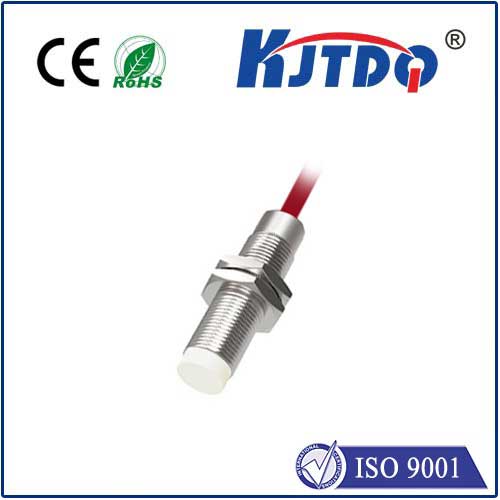
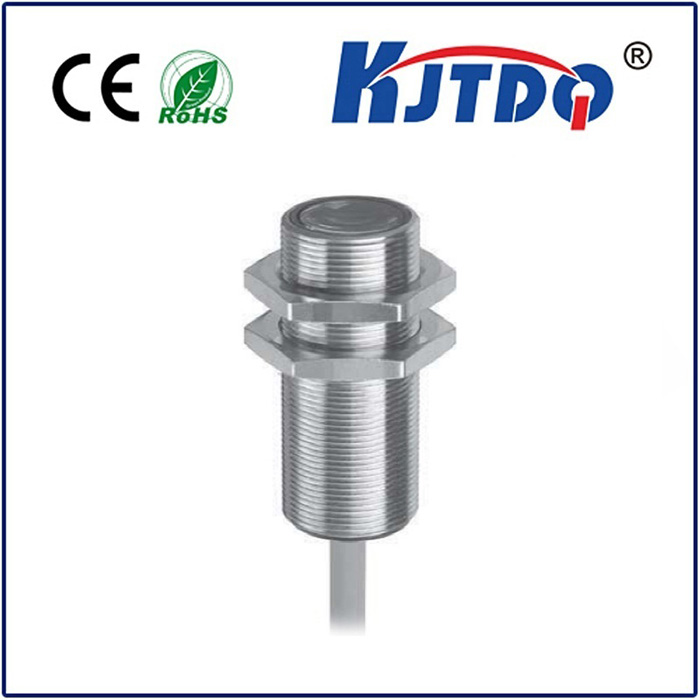
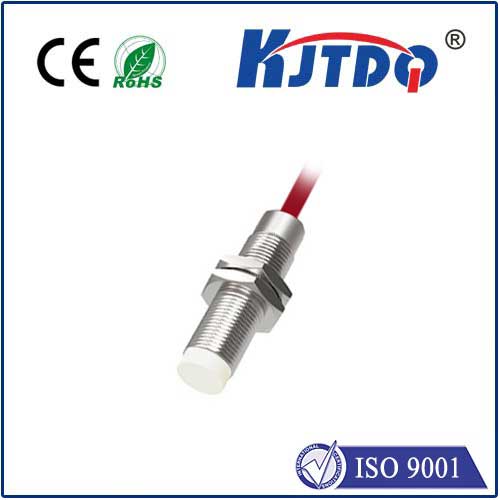
The core challenge in high-pressure environments—common in hydraulic systems, die-casting machines, injection molding, and offshore equipment—is the immense physical force exerted on sensor housings. A standard sensor might function initially, but prolonged exposure can lead to housing deformation, seal failure, and ultimately, catastrophic malfunction. The BES 516-300-S241-D-PU-05 is specifically designed to withstand these forces. Its robust, stainless-steel housing is rated for exceptionally high pressure, ensuring mechanical integrity and preventing ingress of oils, coolants, or other process media. The "PU-05" designation often points to a polyurethane cable with high resistance to abrasion, oils, and chemicals, which is crucial in rugged industrial settings.
Beyond brute strength, precision is paramount. This sensor utilizes a high-performance inductive sensing principle to detect metallic targets—like piston positions, valve closures, or machine part presence—with remarkable accuracy and repeatability. The "S241" typically indicates a certain electrical configuration, often a PNP normally open (NO) switching output, which is a common and versatile interface for programmable logic controllers (PLCs). This reliable signal ensures that control systems receive accurate real-time data for critical decision-making, enabling precise machine cycles and preventing collisions or sequencing errors.
The operational benefits of integrating such a specialized sensor are substantial. First and foremost is enhanced system reliability. By choosing a sensor built for the specific pressure rating of your application, you eliminate a key point of failure. This translates directly into increased Overall Equipment Effectiveness (OEE), reduced unplanned maintenance stops, and lower total cost of ownership. Secondly, it improves safety. Accurate detection of component position in high-pressure systems is vital to prevent over-travel, pressure surges, or unintended machine movements that could pose risks to both equipment and personnel.
Consider its application in a large hydraulic press. Monitoring the position of the press ram under immense pressure is critical for controlling stroke length and preventing damage. A standard sensor might falter, leading to inaccurate positioning and product defects or machine damage. The BES 516-300-S241-D-PU-05, with its high-pressure resilience, provides a dependable feedback signal cycle after cycle, ensuring consistent product quality and protecting the capital investment in the press itself.
Similarly, in plastic injection molding machines, sensors must function reliably in the high-pressure clamping unit. They detect mold closure and ejector plate positions. Failure here can result in incomplete molds, flash, or even damage to the expensive mold tooling. The robust construction and precise switching of this sensor family help maintain tight process control, ensuring every shot is identical and maximizing production yield.
Installation and maintenance are also streamlined with a purpose-built design. The compact, cylindrical form factor (as suggested by model codes like BES 516) allows for installation in tight spaces near cylinders or valves. The high-pressure rating often means integrated, superior sealing technology, reducing the need for frequent checks or replacements due to seal degradation. When selecting a sensor for a high-pressure application, it is crucial to cross-reference the exact model number, including all suffixes, with the manufacturer's technical datasheet to confirm specifications like pressure rating, sensing distance, temperature range, and output type.
In conclusion, the BES 516-300-S241-D-PU-05 BHS002P represents more than just a component; it is a strategic investment in operational stability. It addresses the specific pain points of high-pressure industrial applications with a combination of ruggedness, precision, and reliability. For engineers and maintenance managers looking to bolster the resilience of their automation systems, mitigate downtime risks, and ensure seamless production flow under challenging conditions, specifying a high-pressure proximity sensor of this caliber is not just an option—it is an essential step towards optimized and fail-safe industrial performance.