check

check

check

check

check

check
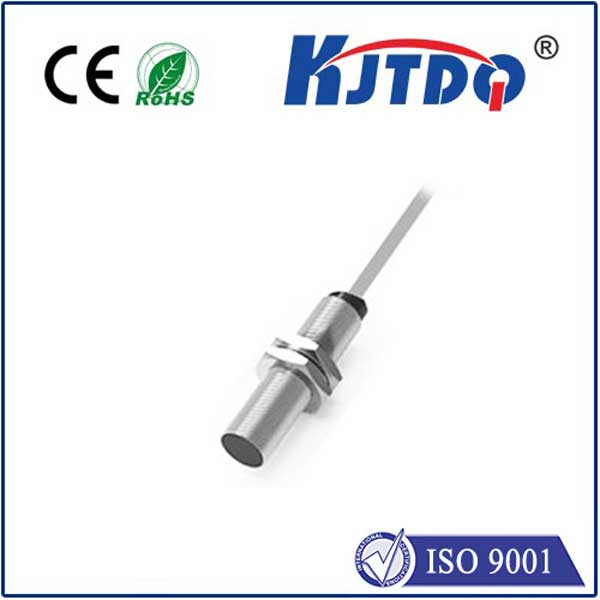
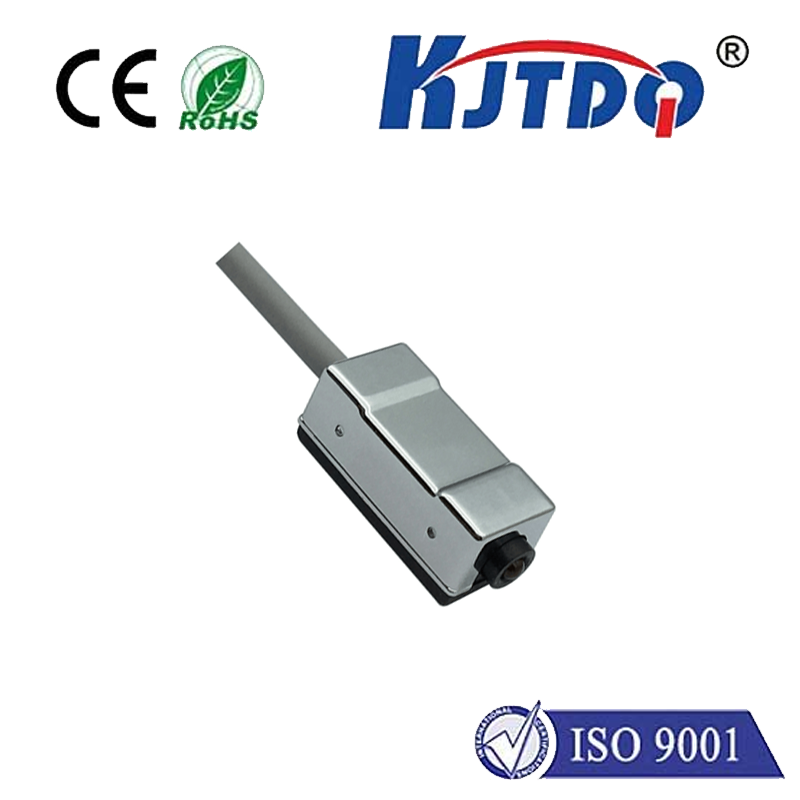
In the rigorous world of industrial automation and process control, the reliability of every component is paramount. Among these critical components, proximity sensors play a vital role in detecting the presence or absence of objects without physical contact. When operating environments involve extreme pressures, standard sensors fall short. This is where specialized high-pressure proximity sensors, such as the KJTDQ LR14XBF03DPOB-E2 and LR14XBF15DPCB-E2 models, become indispensable. These sensors are engineered to deliver consistent, accurate performance where it matters most.
The core challenge in high-pressure applications is the immense stress exerted on sensor housings and internal components. Fluctuating pressures can cause standard sensor casings to deform, leading to signal drift, false triggers, or complete failure. The LR14XBF03DPOB-E2 and LR14XBF15DPCB-E2 are specifically designed to counteract these forces. They feature robust, hermetically sealed stainless-steel housings that can withstand sustained exposure to high-pressure conditions. This rugged construction ensures the internal inductive sensing element remains perfectly calibrated, providing a stable and repeatable switching signal. The integrity of the seal is crucial, not only for pressure resistance but also for preventing ingress of hydraulic fluids, coolants, or other contaminants common in industrial settings.
Beyond their physical durability, the operational performance of these sensors is tailored for precision. They offer a consistent sensing range even when external pressure varies. This is a critical feature for applications in hydraulic systems, die-casting machines, plastic injection molding equipment, and high-pressure test stands, where the distance to a piston, valve, or mold must be detected reliably. The "DPOB" and "DPCB" designations often relate to specific output configurations and connector types, allowing for seamless integration into different control systems. The E2 suffix typically indicates conformity with specific international electrical standards, ensuring compatibility and safety in global markets.
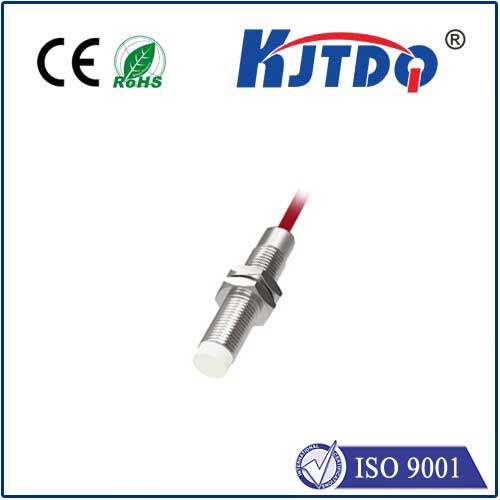
Installation and maintenance are also key considerations. The compact cylindrical design of these KJTDQ sensors, like the LR14XBF series, allows for easy mounting in space-constrained locations. Their high immunity to electromagnetic interference (EMI) ensures signal stability even in electrically noisy environments near large motors or welding equipment. Furthermore, the use of high-quality materials minimizes the risk of corrosion, extending the sensor's service life and reducing total cost of ownership by minimizing unplanned downtime and replacement frequency.
Choosing between models like the LR14XBF03DPOB-E2 and the LR14XBF15DPCB-E2 typically depends on specific application parameters such as required sensing distance, output type (e.g., PNP or NPN), and electrical connection method. Consulting the detailed technical datasheets is essential to match the sensor's specifications—including pressure rating, operating voltage, and temperature range—with the exact demands of the application. This careful selection process guarantees optimal performance.
In conclusion, for engineers and system integrators facing the challenges of high-pressure environments, generic sensing solutions are inadequate. The KJTDQ LR14XBF03DPOB-E2 and LR14XBF15DPCB-E2 high-pressure proximity sensors represent a dedicated solution. Their combination of ruggedness, precision, and reliability makes them a cornerstone technology for enhancing the safety, efficiency, and automation level of demanding industrial processes. By ensuring accurate non-contact detection under extreme conditions, they help maintain continuous operation and protect valuable machinery.