check

check

check

check

check

check
In the relentless world of industrial automation, where machinery operates under extreme pressures and within tight tolerances, the margin for error is virtually zero. Sensor failure is not an option; it can lead to catastrophic downtime, compromised safety, and significant financial loss. This is where precision engineering meets rugged reliability. The KGG18P2KDC-Lf High Pressure Proximity Sensor stands as a paragon of durability and accuracy, specifically engineered to thrive where other sensors falter.
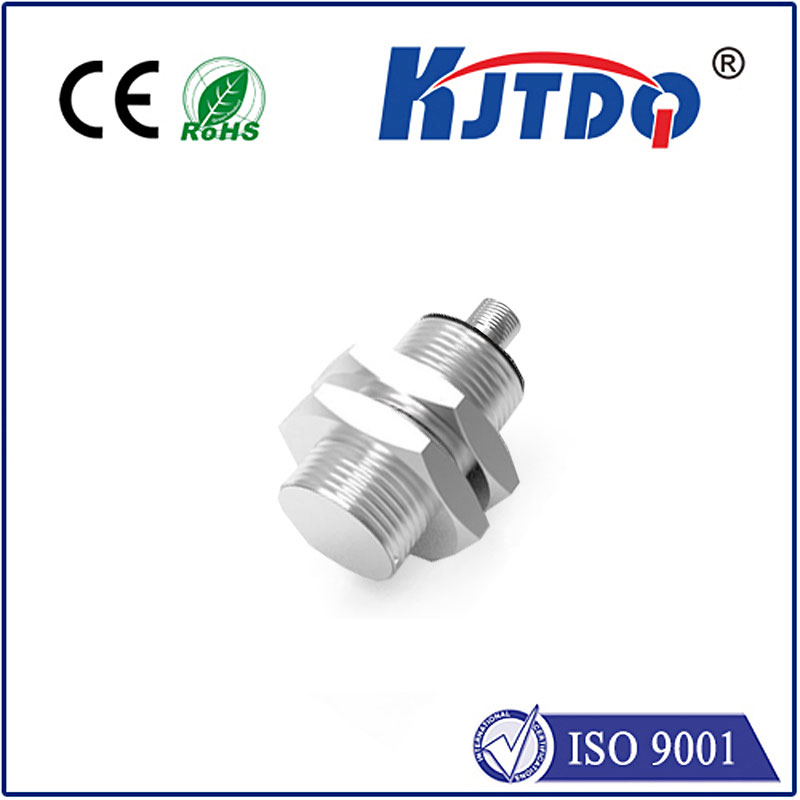
Operating in high-pressure environments—such as hydraulic systems, heavy-duty presses, injection molding machines, and offshore drilling equipment—poses unique challenges. Standard sensors can suffer from housing deformation, diaphragm failure, or signal drift when subjected to constant, intense force. The KGG18P2KDC-Lf is built from the ground up to counteract these forces. Its robust, stainless-steel housing is hermetically sealed, providing an exceptional degree of ingress protection (typically IP67 or higher). This design ensures that internal electronics are completely shielded from external pressures, moisture, dust, and corrosive agents, guaranteeing consistent performance even in the harshest conditions.
The core of its functionality lies in its advanced sensing technology. Utilizing a high-precision, pressure-resistant sensing element, the KGG18P2KDC-Lf delivers unwavering accuracy in detecting the presence or absence of a target. Whether monitoring piston position in a hydraulic cylinder, confirming mold closure in a press, or ensuring valve actuation, its response is swift and definitive. The sensor offers both Normally Open (NO) and Normally Closed (NC) output configurations, providing flexibility for diverse control logic and fail-safe system designs. Its high switching frequency allows it to keep pace with fast-moving machinery, making it ideal for high-cycle production lines.
A key feature that sets this sensor apart is its exceptional pressure rating. Engineered to withstand sustained exposure to environments far exceeding standard atmospheric pressure, it eliminates a common point of failure. This resilience translates directly into reduced maintenance intervals, lower total cost of ownership, and enhanced system uptime. Engineers and maintenance teams can deploy it with confidence, knowing it will deliver reliable signals without the need for frequent recalibration or replacement.
Installation and integration are streamlined for efficiency. The KGG18P2KDC-Lf often comes with versatile mounting options, such as threaded barrels or bracket mounts, allowing for easy integration into existing machine frameworks. Its compatibility with standard industrial voltage ranges (e.g., 10-30V DC) and output types (PNP/NPN) ensures seamless connection to Programmable Logic Controllers (PLCs) and other control systems without requiring complex interface modules. LED status indicators provide immediate visual confirmation of operation and power, aiding in quick diagnostics and troubleshooting.
Beyond mere durability, this sensor contributes significantly to operational safety. In systems where pressure containment is critical, its reliable detection helps prevent over-pressurization events. By providing a definitive signal for machine state, it enables control systems to execute safety interlocks effectively, protecting both equipment and personnel. This makes it an indispensable component in safety-critical applications across industries like oil and gas, metal forming, and automotive manufacturing.
The economic argument for choosing the KGG18P2KDC-Lf is compelling. While the initial investment may be higher than a standard proximity sensor, the long-term savings are substantial. Extended service life, minimized unplanned downtime, and reduced spare part inventory all contribute to a superior return on investment. For plant managers focused on Overall Equipment Effectiveness (OEE), implementing such robust components is a strategic decision that boosts productivity and profitability.
In conclusion, the KGG18P2KDC-Lf High Pressure Proximity Sensor is not just a component; it is a strategic asset for any operation facing demanding physical conditions. It represents a fusion of rugged construction, precise sensing, and intelligent design, offering a reliable solution that engineers can specify with absolute confidence. For industries pushing the limits of pressure and performance, it provides the sensing backbone necessary for automation that is both resilient and precise.