check

check

check

check

check

check
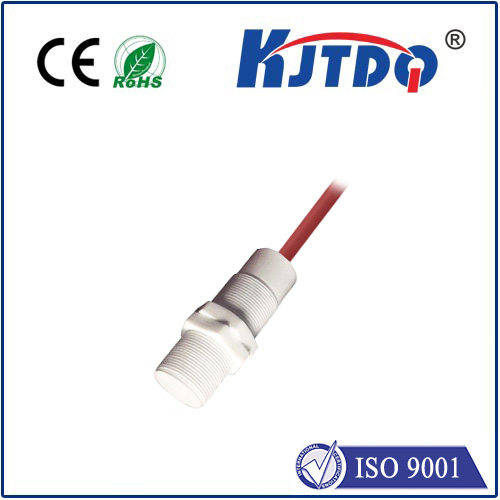
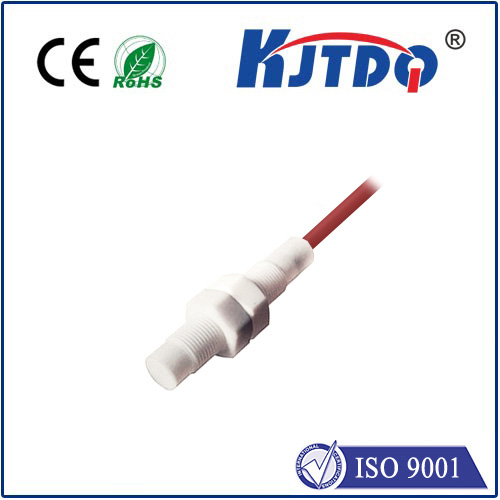
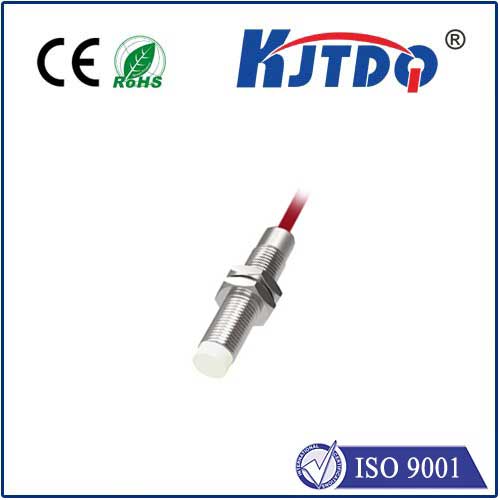
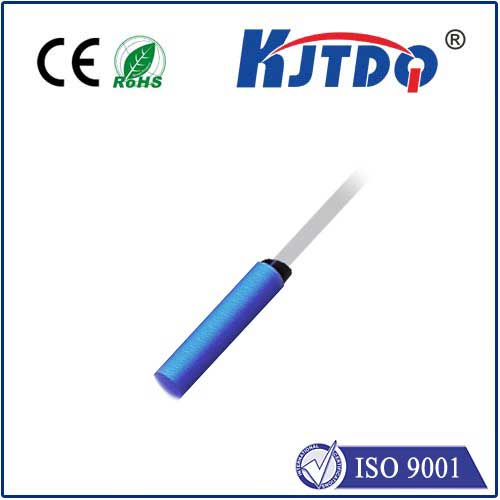
In demanding industrial settings where reliability is non-negotiable, the KGG12P3BN-Lf High Pressure Proximity Sensor stands as a cornerstone of modern automation and control systems. Engineered to deliver unwavering performance under extreme conditions, this sensor represents a significant leap forward in proximity detection technology, specifically designed to operate flawlessly in high-pressure environments that would compromise lesser devices.
The core of the KGG12P3BN-Lf's robustness lies in its specialized construction. Unlike standard sensors, it incorporates a hermetically sealed housing capable of withstanding significant external pressure, often up to several hundred bar, depending on the specific model configuration. This sealing is critical not only for resisting pressure but also for providing an exceptional degree of ingress protection against dust, oils, coolants, and other corrosive fluids commonly found in hydraulic systems, heavy machinery, and offshore applications. The sensing element itself is shielded from mechanical stress and media penetration, ensuring long-term stability and accuracy.
Performance specifications of the KGG12P3BN-Lf are tailored for precision in challenging scenarios. It typically offers a consistent sensing range with minimal hysteresis, meaning its switch-on and switch-off points remain reliable even with fluctuating temperatures and pressures. The output signal, often in the form of a stable PNP or NPN switching signal, provides a clear and unambiguous state detection, crucial for interfacing with Programmable Logic Controllers (PLCs) and safety circuits. Its response time is remarkably fast, enabling the detection of rapid positional changes of pistons, valves, or tools within hydraulic cylinders, thereby contributing to enhanced cycle times and process efficiency.
A key application area is within hydraulic machinery. Here, the sensor is frequently used for end-position detection of hydraulic pistons or for monitoring the status of valves. Its ability to function reliably amidst pressure surges and vibration prevents false signals that could lead to machine downtime or unsafe conditions. In the oil and gas sector, similar sensors are deployed on subsea equipment and high-pressure pipelines for presence detection and leak monitoring, where failure is not an option. Furthermore, in die-casting and injection molding machines, the KGG12P3BN-Lf can monitor mold clamping force or ejector pin position, directly contributing to product quality and equipment longevity.
Installation and integration are streamlined for industrial users. The sensor often features a rugged, threaded metal body (e.g., M12, M18) for easy mounting directly into pressurized blocks or manifolds. Many variants come with integrated LEDs for visual status indication, simplifying commissioning and troubleshooting. Compatibility with standard industrial cabling and connectors further reduces integration complexity and maintenance overhead.
When selecting a high-pressure proximity sensor like the KGG12P3BN-Lf, engineers must consider several factors beyond just pressure rating. The required sensing distance, the target material (usually ferrous metals), the operating temperature range, and the necessary electrical output must all align with the application's demands. It is also vital to verify certifications for specific industries, such as explosion-proof ratings for hazardous areas.
Ultimately, the KGG12P3BN-Lf High Pressure Proximity Sensor is more than just a component; it is a critical enabler of safety, efficiency, and reliability. By providing accurate and durable position feedback in the heart of high-pressure systems, it helps prevent costly unplanned stoppages, reduces maintenance cycles, and safeguards both personnel and capital equipment. For system integrators and plant managers overseeing operations in metalworking, plastic molding, marine technology, or energy extraction, investing in such robust sensing technology translates directly into improved operational uptime and a stronger bottom line. Its deployment is a strategic decision for building resilient and future-proof industrial automation infrastructure.