check

check

check

check

check

check
In the world of industrial automation and process control, reliability is not just a feature; it's a fundamental requirement. Equipment failure in high-pressure systems can lead to catastrophic downtime, safety hazards, and significant financial loss. This is where precision-engineered components like the HR12-1018-60A-1.5E2 High Pressure Proximity Sensor step into the spotlight, offering unparalleled performance where it matters most.
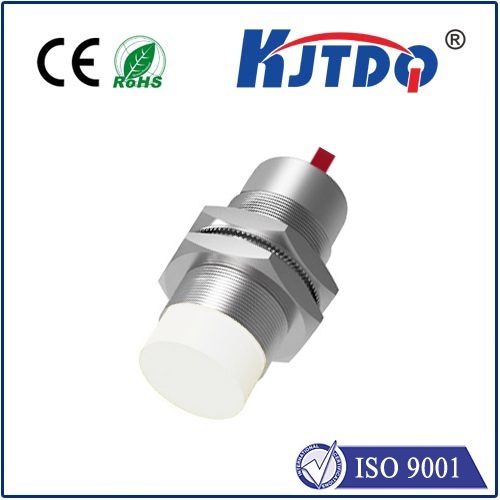
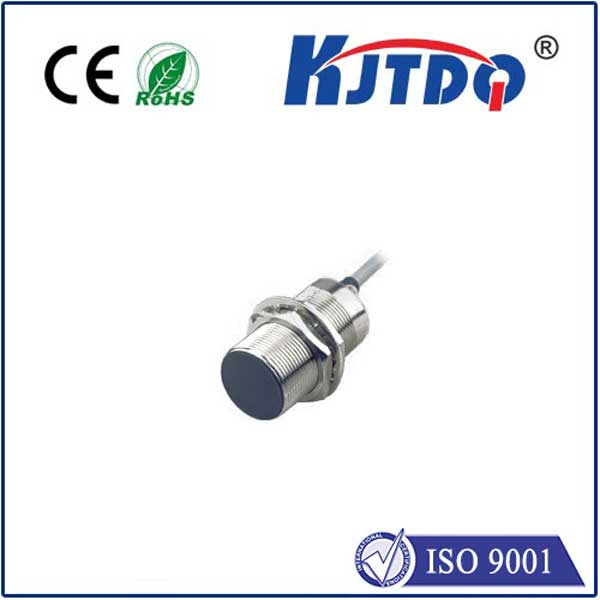
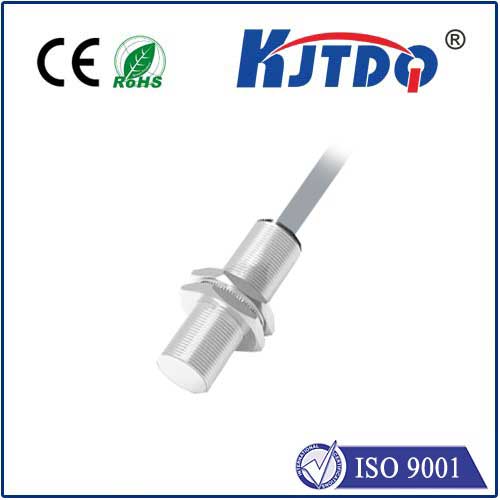
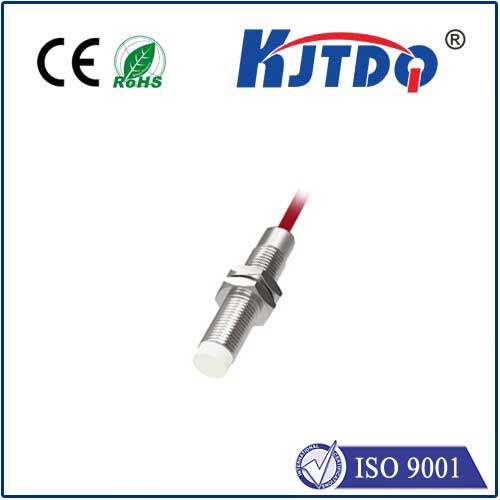
The HR12-1018-60A-1.5E2 is specifically designed to operate flawlessly in environments where both extreme pressure and the need for accurate non-contact detection converge. Traditional sensors often falter under the constant stress of high-pressure hydraulic systems, heavy machinery, or pressurized vessel monitoring. The robust construction of this sensor model addresses these challenges head-on. Its housing is engineered from high-grade materials capable of withstanding not only the internal pressure of the system it monitors but also external shocks, vibrations, and temperature variations common in industrial settings.
At the core of its functionality is the advanced inductive sensing technology. The "1.5E2" designation typically refers to a specific sensing distance, in this case, 1.5 mm, with a flush-mountable design. This allows for precise detection of metallic targets—like piston positions in hydraulic cylinders or valve closures—without any physical contact. The non-contact nature eliminates mechanical wear and tear, ensuring a dramatically longer operational lifespan compared to mechanical limit switches. The sensor provides a consistent, clean switching signal, crucial for the programmable logic controllers (PLCs) that form the brain of modern automated systems.
The "High Pressure" rating is its defining characteristic. This sensor is built to be integrated directly into high-pressure lines or chambers. It features specialized sealing technologies and a body structure that can endure the relentless forces without compromising the integrity of the sensing element. For engineers and maintenance teams, this translates to a reliable feedback loop in critical applications such as injection molding machines, die-casting equipment, press brakes, and offshore oil and gas systems. Knowing that a sensor can maintain its calibration and sealing under such duress provides immense peace of mind and system stability.
Installation and integration are streamlined for efficiency. The HR12-1018-60A-1.5E2 typically comes with a standardized M12 electrical connector, simplifying wiring and connection to control panels. Its compact and rugged design allows it to fit into tight spaces within machinery, a common constraint in complex industrial designs. Furthermore, its high immunity to electromagnetic interference (EMI) ensures that signals remain accurate even in electrically noisy environments surrounded by motors and drives.
Beyond mere functionality, choosing a sensor of this caliber is an investment in total cost of ownership. While the initial procurement cost might be higher than a standard sensor, the reduction in unplanned downtime, the elimination of frequent replacements, and the prevention of costly process errors lead to substantial long-term savings. It enhances overall equipment effectiveness (OEE) by providing reliable data that keeps production lines running smoothly and predictively.
In conclusion, the HR12-1018-60A-1.5E2 High Pressure Proximity Sensor is more than just a component; it is a critical guardian of industrial process integrity. It represents the synergy of robust mechanical design, precise electronic sensing, and application-specific engineering. For industries where pressure is a constant and failure is not an option, deploying this sensor is a strategic decision towards achieving higher levels of safety, efficiency, and operational excellence. It stands as a testament to how specialized sensor technology can solve some of the most challenging problems on the factory floor.