check

check

check

check

check

check
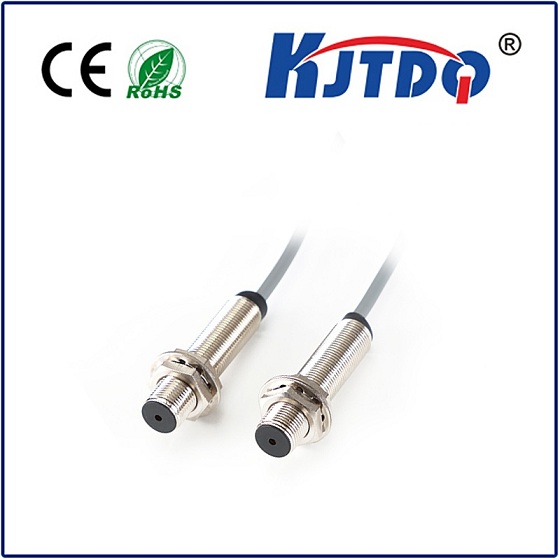
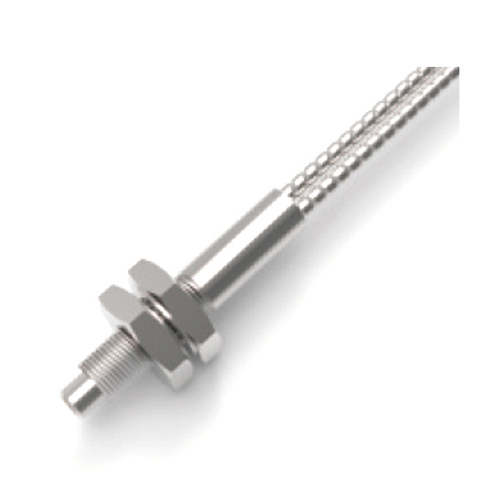
In the demanding world of industrial automation and process control, the reliability of every component is paramount. Among these critical components, proximity sensors play a vital role in detecting the presence or absence of objects without physical contact. When the application involves high-pressure environments, the stakes are even higher. This is where specialized sensors like the BID2-G180-AP6X-H1141/S212 High Pressure Proximity Sensor come into play, offering unparalleled performance and durability.
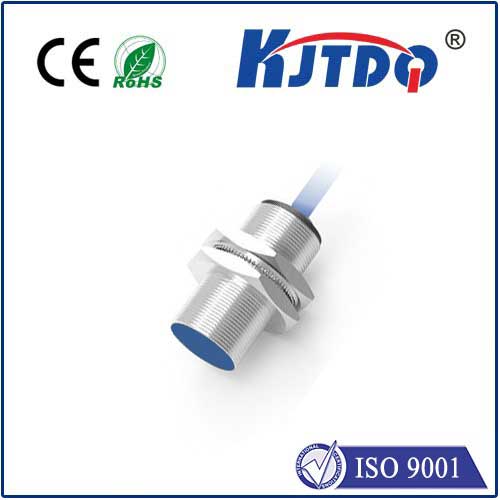
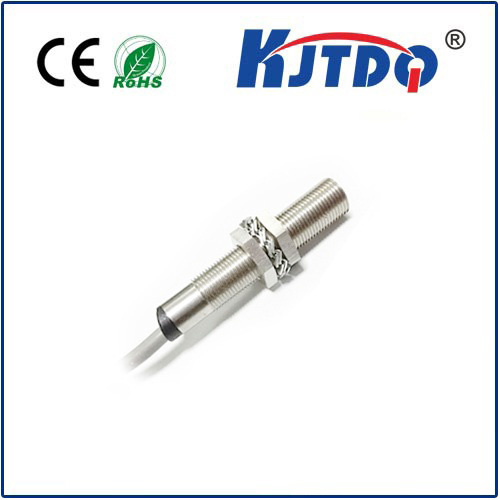
The BID2-G180-AP6X-H1141/S212 is engineered to excel in conditions where standard sensors would fail. Its core design principle revolves withstanding extreme pressures commonly found in hydraulic systems, heavy machinery, oil and gas exploration, and high-pressure manufacturing processes. The robust housing, typically constructed from high-grade stainless steel, provides exceptional resistance to mechanical stress and corrosion. This ensures long-term operational integrity even when exposed to aggressive media or frequent high-pressure washdowns.
One of the defining features of this sensor series is its precise detection capability. Utilizing advanced inductive or capacitive technology—depending on the specific model variant—it delivers consistent and accurate switching signals. The "G180" designation often relates to a specific thread size or form factor, making it compatible with standardized industrial fittings. This plug-and-play compatibility significantly reduces installation time and complexity, allowing for seamless integration into existing control panels and PLC (Programmable Logic Controller) systems.
The operational benefits of implementing the BID2-G180-AP6X-H1141/S212 are substantial. First and foremost is enhanced safety. By reliably monitoring the position of pistons in hydraulic cylinders or the status of valves in pressurized lines, it helps prevent machine failures and potential hazardous situations. This proactive monitoring is crucial for maintaining safe working environments and protecting both personnel and capital equipment.
Secondly, this sensor contributes directly to optimizing production efficiency. Its high switching frequency and repeat accuracy ensure that machine cycles are precisely controlled, minimizing downtime caused by false triggers or missed detections. In automated assembly lines or processing units, this reliability translates to higher throughput and consistent product quality. The reduced need for maintenance interventions, thanks to its rugged build, further boosts overall equipment effectiveness (OEE).
When selecting a high-pressure proximity sensor, several technical specifications demand attention. The pressure rating is, of course, primary. The BID2-G180-AP6X-H1141/S212 is specifically rated for continuous operation under significant pressure, details of which should be verified against the manufacturer's datasheet for your specific pressure range. Other key parameters include the sensing distance, output type (e.g., PNP/NPN, analog, IO-Link), voltage range, and environmental ratings like IP (Ingress Protection) class for dust and water resistance, and temperature operating range.
Installation and wiring are straightforward but require adherence to best practices. Ensuring proper sealing of the thread using appropriate methods is critical to maintaining the pressure integrity of the system it is monitoring. Correct alignment with the target object is also essential to achieve the specified sensing performance. Most models come with LED status indicators, providing immediate visual feedback for diagnostics and setup.
In conclusion, for engineers and maintenance professionals tasked with ensuring the smooth and safe operation of high-pressure systems, the BID2-G180-AP6X-H1141/S212 High Pressure Proximity Sensor represents a robust and trustworthy solution. Its design addresses the unique challenges of pressurized environments, delivering the reliability necessary for modern industrial applications. By choosing a sensor built for these extremes, facilities can achieve greater operational resilience, safety, and productivity.