check

check

check

check

check

check
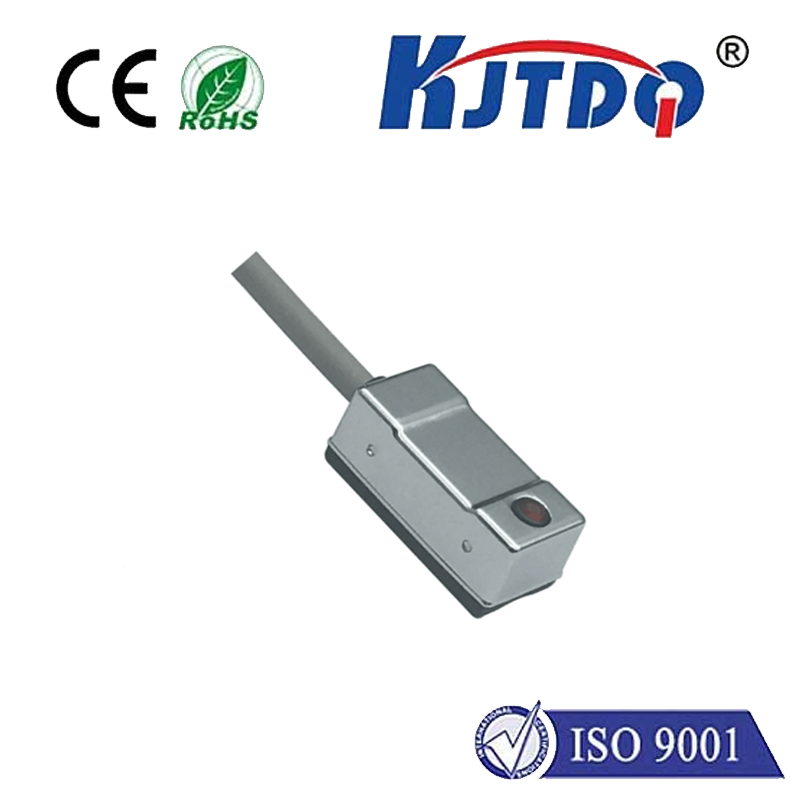
In the high-stakes world of industrial automation, where machinery operates under extreme pressures and in unforgiving environments, sensor failure is not an option. Downtime translates directly to lost revenue and compromised safety. This is where the BES 516-300-S162-S4-D (BHS0021) High Pressure Proximity Sensor steps in, engineered to deliver unwavering reliability where others falter. Designed for the most challenging applications, this sensor represents a pinnacle of precision and durability in proximity sensing technology.
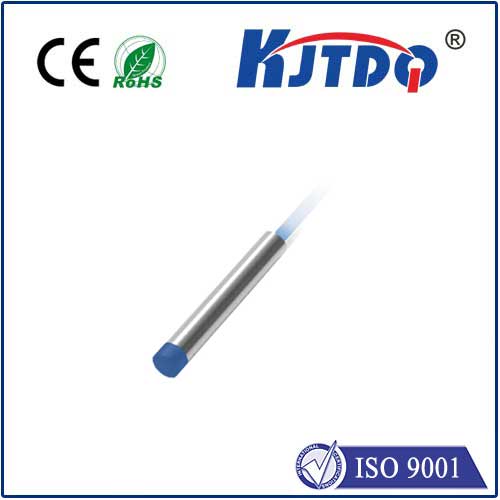
The core strength of the BES 516-300-S162-S4-D lies in its exceptional construction, specifically tailored to withstand high-pressure conditions commonly found in hydraulic systems, die-casting machines, plastic injection molding, and heavy-duty press lines. Unlike standard sensors that may deform or fail under constant mechanical stress, this model features a robust, pressure-resistant housing. Its design ensures integrity is maintained even when exposed to external pressures that would compromise lesser devices. The “S4” in its designation often refers to a specific, enhanced sealing standard, providing superior protection against ingress from oils, coolants, and particulate matter, guaranteeing an extended operational lifespan in dirty or washdown environments.
Precision detection is non-negotiable. Utilizing a high-performance sensing element, the BES 516-300-S162-S4-D offers accurate and repeatable detection of metallic targets. Its stable switching characteristic, denoted by the “S162” code, ensures minimal hysteresis and a consistent sensing point. This reliability is critical for processes requiring exact positioning or sequential control, such as in automated assembly lines or robotic tooling. The sensor provides a clear, unambiguous signal, eliminating false triggers that can lead to production errors or machine jams.
Electrical integration is streamlined for efficiency. The sensor typically operates on a standard DC voltage range, with a PNP normally open (NO) or normally closed (NC) output configuration, as indicated by its full ordering code. This makes it directly compatible with a wide array of programmable logic controllers (PLCs) and control systems without the need for additional interfaces. The inclusion of a quick-disconnect connector or a pre-wired cable option, depending on the variant, significantly reduces installation and maintenance time. LED status indicators offer immediate visual confirmation of both power supply and switching state, enabling rapid troubleshooting on the factory floor.
The application scope for this high-pressure proximity sensor is vast. It is the ideal choice for monitoring piston positions in hydraulic cylinders, ensuring tools are in the correct stance in metalforming presses, or verifying clamp status in molding machines. In mobile hydraulics, such as in construction or agricultural equipment, it reliably performs under shock, vibration, and wide temperature fluctuations. Its resilience makes it equally suitable for food and beverage processing where high-pressure cleaning is routine, provided the specific model meets the necessary hygiene standards.
Selecting the BES 516-300-S162-S4-D (BHS0021) is an investment in operational continuity. It mitigates the risk of unscheduled downtime by offering a product built to endure. When specifying a sensor for a high-pressure environment, factors such as the pressure rating, material compatibility (often stainless steel sensing face), temperature range, and required electrical output must be carefully matched to the application. This sensor’s detailed part number ensures users get the exact performance characteristics needed.
Ultimately, the BES 516-300-S162-S4-D transcends being merely a component; it is a critical safeguard for productivity. By providing dependable detection under duress, it empowers engineers and maintenance teams to build more robust, efficient, and safe automated systems. In an era where manufacturing excellence is paramount, choosing a sensor engineered for pressure is choosing peace of mind and a stronger bottom line.