check

check

check

check

check

check
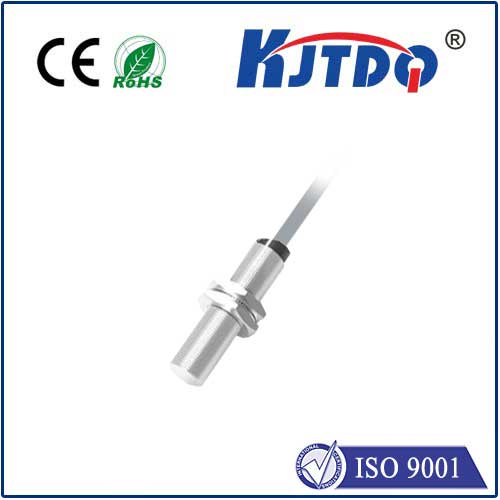
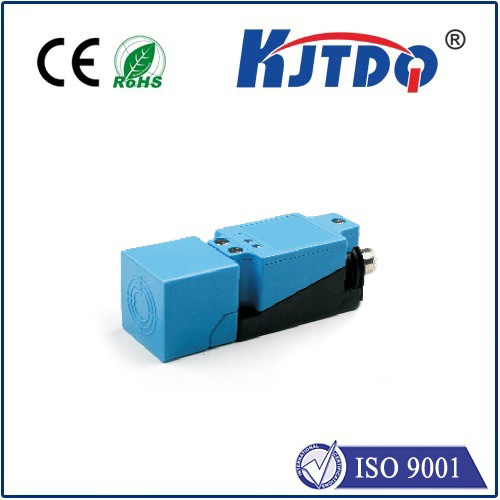
In the world of industrial automation and process control, the reliability of every component is paramount. When operations involve high-pressure systems, the margin for error shrinks to near zero. This is where specialized equipment like the DW-AS-523-P12-627 High Pressure Proximity Sensor steps into the spotlight, engineered to deliver unwavering performance where standard sensors would falter.
The core challenge in high-pressure environments is not merely detection but maintaining structural integrity and signal accuracy under extreme physical stress. The DW-AS-523-P12-627 is specifically designed to address this. Its robust housing, typically constructed from high-grade stainless steel, is built to withstand pressures that would compromise lesser devices. This durability ensures long-term operation in applications such as hydraulic press monitoring, high-pressure pump control, and within the valves and cylinders of heavy machinery. The "P12" designation often relates to its pressure rating or specific housing thread, indicating a design tailored for direct integration into pressurized lines or chambers.
What sets this sensor apart is its ability to provide precise, non-contact detection even when submerged in fluids or exposed to intense vibrations. Utilizing technologies like inductive or capacitive sensing, the DW-AS-523-P12-627 can detect the presence or position of a metal target or, in some variants, other materials, without physical wear. This non-contact operation is critical for maintenance reduction and preventing leaks in sealed high-pressure systems. The output signal, whether PNP, NPN, or analog, provides a reliable data point for PLCs (Programmable Logic Controllers), ensuring seamless integration into broader automated control systems.
Consider its application in a plastic injection molding machine. The mold clamping process generates immense pressure. A sensor like the DW-AS-523-P12-627 can be used to verify the final clamp position with micron-level precision, ensuring the mold is securely locked before the injection cycle begins. Any failure here could lead to catastrophic damage or production of defective parts. Similarly, in offshore oil and gas equipment, these sensors monitor the position of critical valves on Christmas trees or within subsea control modules, where reliability under thousands of psi is non-negotiable for safety and environmental protection.
Installation and environmental resistance are further strengths. Many high-pressure proximity sensors in this class feature IP67, IP68, or IP69K ratings, making them impervious to dust, water jets, and even temporary immersion. This allows them to perform consistently in washdown areas of food and beverage plants or in the muddy, wet conditions of mining and construction equipment. The electrical connections are designed for secure, vibration-proof attachment, preventing signal loss that could trigger false alarms or system shutdowns.
For engineers and maintenance managers, selecting the DW-AS-523-P12-627 translates to reduced downtime and lower total cost of ownership. Its precision minimizes waste from malformed products, while its durability cuts replacement frequency. When specifying such a sensor, it is crucial to match its technical parameters—such as sensing distance, pressure rating, temperature range, output type, and housing material—to the exact demands of the application. Consulting the manufacturer's datasheet for the specific "627" variant is essential to confirm its suitability for your unique high-pressure challenge.
Ultimately, the DW-AS-523-P12-627 is more than just a component; it is a commitment to operational integrity. It represents a critical link in the chain of automation, providing the confidence needed to run high-pressure systems at peak efficiency and safety. In industries where pressure is a constant factor, choosing a sensor engineered for this specific duty is not an option—it is a fundamental requirement for modern, resilient industrial operations.