check

check

check

check

check

check
In the relentless world of industrial automation, where machinery operates under extreme pressures and in unforgiving conditions, the reliability of every component is non-negotiable. Sensor failure is not merely an inconvenience; it can lead to catastrophic downtime, safety hazards, and significant financial loss. This is where precision-engineered solutions like the BID2-G180-AN6X-H1141/S212 High Pressure Proximity Sensor step into the spotlight, offering unparalleled performance where it matters most.
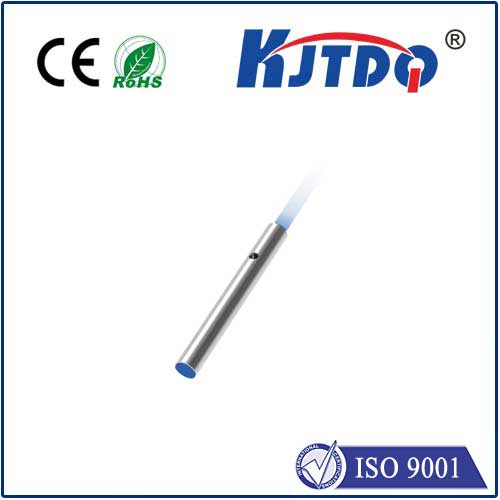
The BID2-G180-AN6X-H1141/S212 is not a standard sensor. It is a specialized device engineered to thrive in high-pressure environments that would compromise lesser components. Its core design philosophy revolves around resilience and accuracy. The housing is constructed from robust, high-grade materials capable of withstanding significant mechanical stress and exposure to harsh media. This rugged exterior protects the sophisticated inductive sensing technology within, ensuring consistent operation even when submerged or subjected to intense spray-downs common in hydraulic systems, die-casting machines, or heavy-duty press applications.
What truly sets this sensor apart is its specific configuration. The model designation "BID2-G180-AN6X-H1141/S212" provides a blueprint of its capabilities. It indicates a particular form factor, sensing range, connection type, and output signal tailored for integration into complex control systems. This level of specificity ensures that engineers and maintenance teams can select a sensor that fits both the physical and electrical requirements of their application perfectly, eliminating guesswork and compatibility issues. The sensor delivers a stable, repeatable switching signal, providing the control system with a dependable binary input for position detection, part presence verification, or end-of-travel confirmation on cylinders and valves operating under high pressure.
The operational benefits are substantial. First and foremost is enhanced system reliability. By providing fail-safe detection in critical high-pressure loops, this sensor helps prevent machine damage and unscheduled stops. Its high immunity to electromagnetic interference (EMI) ensures signal integrity is maintained, even in electrically noisy industrial plants. Furthermore, the design often incorporates features like welded stainless steel housings and high-grade sealing, granting exceptional resistance to corrosion, temperature fluctuations, and physical impacts. This translates directly into a longer service life and reduced total cost of ownership, as maintenance intervals are extended and replacement frequency drops.
Consider its application in a hydraulic press. Here, the sensor must reliably detect the position of a piston within a cylinder filled with high-pressure fluid. Vibration, fluid contamination, and immense pressure are constant challenges. The BID2-G180-AN6X-H1141/S212 is built for this exact scenario. Its robust sensing face can handle the direct exposure, and its stable output ensures the press control system knows the precise moment to reverse the stroke, optimizing cycle time and protecting the equipment from over-travel damage. Similarly, in plastic injection molding or die-casting, where molten material is injected under high pressure, these sensors monitor clamp position or ejector pins, contributing to consistent product quality and machine safety.
Installation and integration are streamlined by the sensor's thoughtful design. Many variants come with standard mounting threads, allowing for easy replacement of older, less capable units. The electrical connection, whether a pre-wired cable or a quick-disconnect plug, is designed for secure and efficient wiring. This user-friendly approach minimizes downtime during installation or replacement, keeping production lines moving.
For plant managers and automation engineers, selecting a sensor like the BID2-G180-AN6X-H1141/S212 is a strategic decision. It moves beyond simple component procurement to investing in system integrity. It addresses the core pain points of high-pressure applications: the need for durability, unwavering accuracy, and minimal maintenance. By specifying this high-pressure proximity sensor, industries empower their machinery to operate at peak efficiency, safeguard their assets, and ensure a smoother, more predictable production flow. In essence, it transforms a potential point of failure into a pillar of reliability.