check

check

check

check

check

check
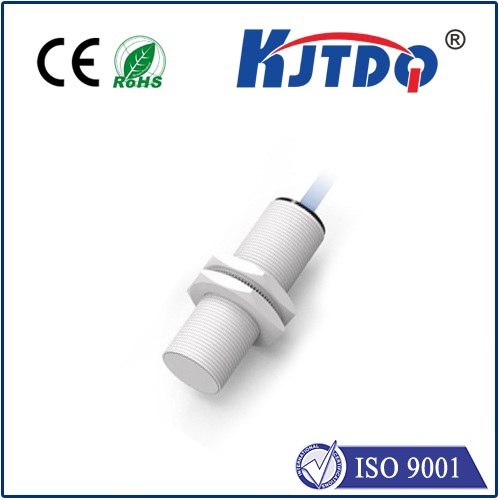
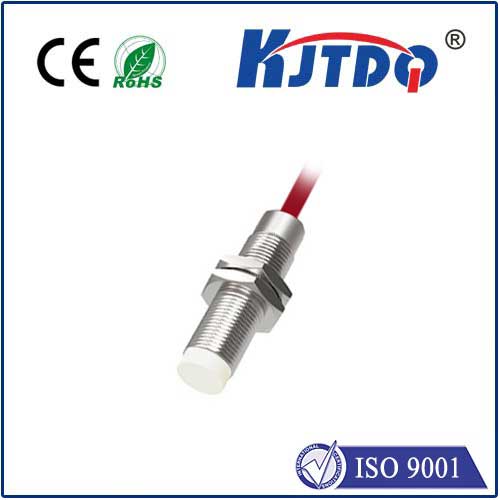
In the complex and often unforgiving world of industrial automation, the reliability of every component is paramount. Among these critical components, proximity sensors play a vital role in non-contact detection, ensuring seamless operations and safeguarding machinery. When the application involves high-pressure environments—such as hydraulic systems, heavy-duty presses, injection molding machines, or offshore equipment—standard sensors fall short. This is where specialized solutions like the KGG20H3BNC High Pressure Proximity Sensor step into the spotlight, engineered to deliver unwavering performance where pressure is not just a factor, but a defining challenge.
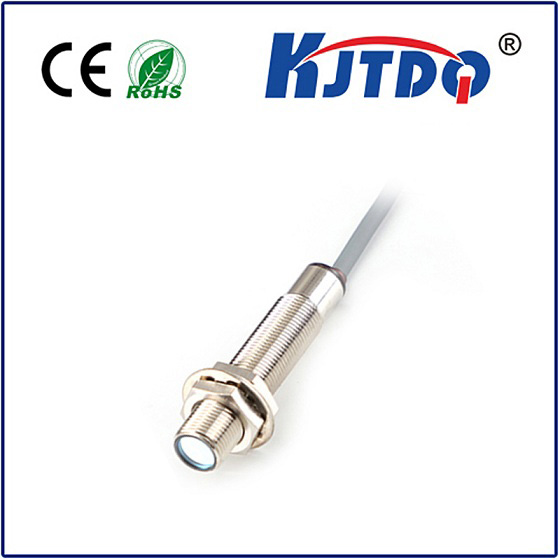
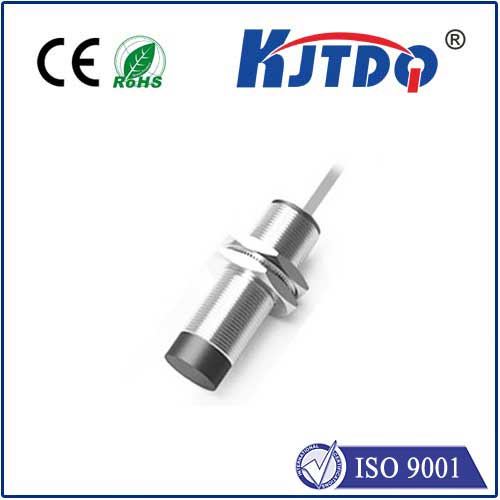
The KGG20H3BNC is not merely a sensor; it is a robust detection system built to withstand extreme conditions. Its core design philosophy revolves around resilience and accuracy. The housing is typically constructed from high-grade stainless steel, offering exceptional resistance to corrosion, physical impact, and the constant stress exerted by high-pressure fluids or gases. This durable construction ensures long-term operational integrity, minimizing downtime and maintenance costs in critical processes. The "High Pressure" designation is a key differentiator, indicating that the sensor's internal components and sealing mechanisms are specifically optimized to function reliably even when exposed to significant external pressure fluctuations that would compromise ordinary sensors.
Precision is the other cornerstone of the KGG20H3BNC's value proposition. Utilizing advanced sensing technology, it provides accurate and repeatable detection of metallic targets. Whether monitoring piston position in a hydraulic cylinder, confirming mold closure in a press, or detecting the presence of a valve component, its output signal is stable and dependable. This reliability is crucial for process control systems that depend on precise timing and positioning data to maintain efficiency and product quality. The sensor's consistent performance helps prevent jams, misalignments, and potential equipment damage, contributing directly to overall operational safety and productivity.
A key feature often highlighted in its specification is its robust electrical connection and output. The model designation hints at a specific connection type, designed for secure integration into industrial control panels and wiring harnesses. This focus on connectivity reduces the risk of signal loss or electrical failure in environments with high vibration or moisture. Furthermore, its design typically incorporates protection against common industrial electrical disturbances, ensuring that signal integrity is maintained even in electrically noisy plants.
The applications for the KGG20H3BNC are diverse and span several heavy industries. In manufacturing, it is indispensable for monitoring and controlling high-pressure hydraulic and pneumatic systems. Within the energy sector, particularly in oil and gas exploration and refining, these sensors provide essential feedback in systems handling pressurized fluids. They are equally valuable in marine engineering and offshore platforms, where equipment must endure harsh, pressurized, and corrosive conditions. In every case, the sensor acts as a trustworthy sentinel, providing the critical data needed for automated decision-making and system safety.
Choosing the right sensor for high-pressure applications involves careful consideration of several factors beyond just pressure rating. Operating temperature range, media compatibility (exposure to specific oils or chemicals), sensing distance, and required output type (e.g., PNP/NPN) are all critical. The KGG20H3BNC is designed with these variables in mind, offering a solution that balances environmental toughness with precise electronic performance. Its development is driven by a deep understanding of the challenges faced on the factory floor, in the field, and at sea.
Ultimately, the integration of a component like the KGG20H3BNC High Pressure Proximity Sensor into an industrial system represents an investment in reliability and precision. It addresses the fundamental need for durable, accurate detection in environments where failure is not an option. By ensuring consistent operation under pressure, it supports the continuous, efficient, and safe functioning of complex machinery, proving that in the world of industrial automation, the right specialized sensor is not just a part—it's a pivotal element of success and resilience.