check

check

check

check

check

check
In the world of industrial automation and control, precision, reliability, and durability are non-negotiable. Harsh environments characterized by extreme pressures, temperatures, and contaminants demand sensing solutions that can not only survive but perform with unwavering accuracy. This is where the KGG18P2KD High Pressure Proximity Sensor steps in, engineered to be the cornerstone of robust and efficient operations in the most challenging settings.
The KGG18P2KD is specifically designed to operate flawlessly in high-pressure conditions that would cripple standard inductive proximity sensors. Its core strength lies in its specialized housing and sealing technology, which provides exceptional resistance to pressure surges and sustained high-pressure environments commonly found in hydraulic systems, die-casting machines, injection molding equipment, and heavy-duty press applications. This robust construction ensures that the sensor's internal electronics remain completely isolated from external pressures, guaranteeing consistent switching performance and a long operational lifespan even under constant stress.
Beyond its pressure resilience, the sensor excels in detection accuracy. Utilizing a high-frequency oscillation principle, it offers precise non-contact detection of metallic objects. This means it can reliably sense the presence or position of machine parts, pistons, valves, or tools without physical contact, eliminating wear and tear and reducing maintenance needs. The KGG18P2KD typically features a sensing range optimized for its high-pressure design, providing a dependable detection distance that installers and engineers can count on for critical positioning and control tasks.
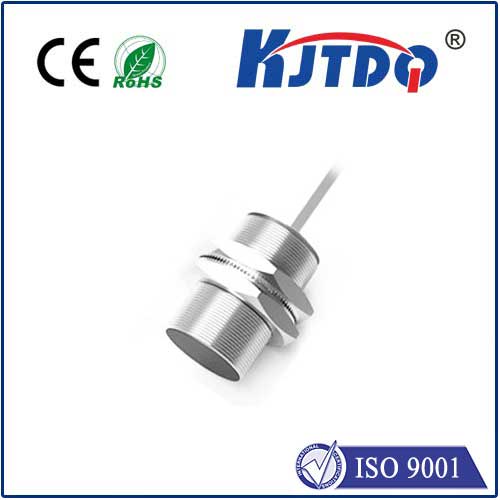
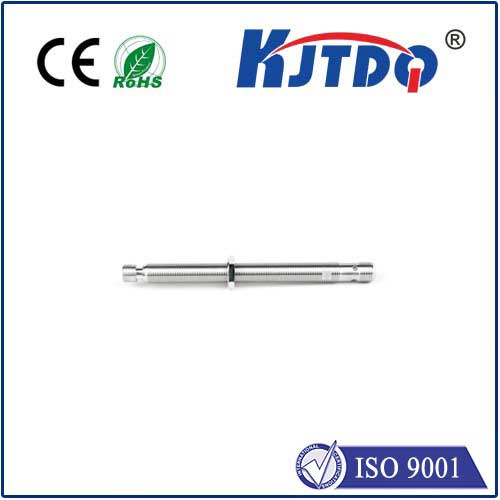
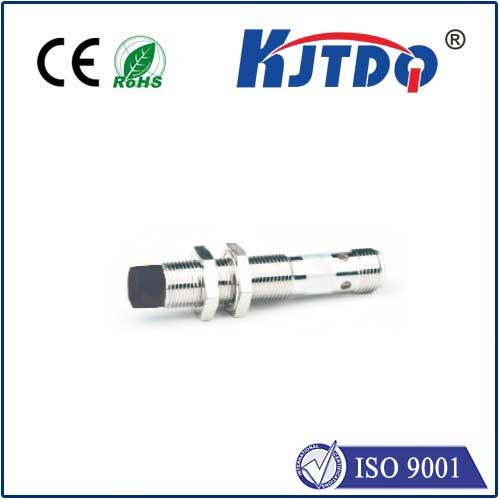
Installation and integration are streamlined for industrial practicality. The sensor often comes in a compact, threaded cylindrical housing, making it easy to mount directly into machine frames, cylinders, or hydraulic blocks. Its design frequently incorporates high-grade stainless steel or similarly rugged materials for the sensing face and body, offering excellent resistance to mechanical impacts, vibrations, and corrosive fluids like cutting oils or coolants. Many models in this series are equipped with advanced protection ratings, such as IP67 or higher, safeguarding against dust ingress and temporary immersion, which is crucial for wash-down areas in food processing or outdoor machinery.
Electrical compatibility is another key advantage. The KGG18P2KD is commonly available with standard output configurations, such as PNP or NPN transistor outputs, allowing for seamless connection to Programmable Logic Controllers (PLCs), relays, and other control systems prevalent in factory automation. This plug-and-play capability minimizes downtime during installation or replacement. Furthermore, built-in protection against short-circuits, overload, and reverse polarity enhances system safety and prevents damage from common wiring errors, contributing to overall plant reliability.
The operational benefits translate directly into tangible cost savings and productivity gains. By providing fail-safe detection in high-pressure zones, the sensor helps prevent machine crashes, tool damage, and production of defective parts. Its durability reduces the frequency of sensor replacements, lowering inventory costs and maintenance labor. The enhanced process reliability minimizes unplanned stoppages, ensuring smoother production flow and higher overall equipment effectiveness (OEE). For industries like automotive manufacturing, metal forming, plastics production, and offshore equipment, where downtime is extraordinarily expensive, the KGG18P2KD becomes an indispensable component for maintaining continuous operation.
When selecting a sensor for high-pressure applications, several factors must be considered alongside the KGG18P2KD's specifications. The maximum pressure rating must exceed the system's peak operating pressure, including any potential spikes. The chemical compatibility of the housing material with surrounding media is critical. The required sensing distance and target material (e.g., steel, aluminum) must match the sensor's capabilities. Finally, the electrical requirements of the existing control system must align with the sensor's output type and voltage range. Consulting with a technical specialist or the manufacturer's datasheet is always recommended to ensure the perfect match for the specific application.
In conclusion, the KGG18P2KD High Pressure Proximity Sensor represents a specialized tool for a demanding niche. It is more than just a sensor; it is a reliability component engineered to uphold system integrity where pressure is a constant challenge. By delivering consistent performance, robust construction, and easy integration, it empowers engineers and plant managers to build more resilient, efficient, and profitable automated systems. For any application where pressure is a defining factor, specifying a sensor like the KGG18P2KD is a strategic investment in operational excellence and long-term asset protection.