check

check

check

check

check

check
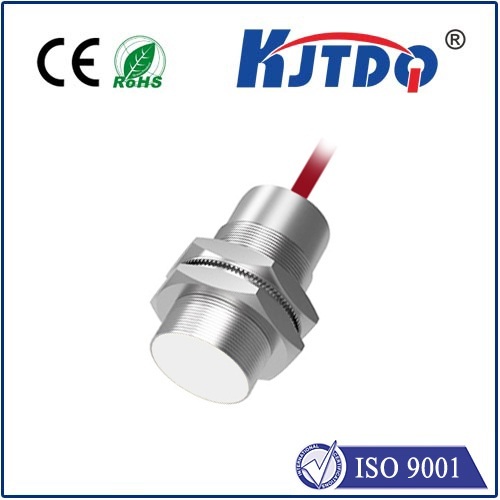
In the heart of modern industrial automation, where machinery operates under extreme pressures and in unforgiving conditions, the reliability of every component is paramount. A single sensor failure can lead to costly downtime, safety hazards, and compromised product quality. This is where specialized components like the KNYT1.8-M12-PBH-60 high-pressure inductive proximity sensor step into the spotlight, engineered to deliver unwavering performance where standard sensors would falter.
The defining challenge in many hydraulic systems, die-casting machines, plastic injection molding equipment, and heavy-duty press applications is the intense pressure environment. Conventional proximity sensors, with their standard housings and seals, are susceptible to deformation, ingress, and eventual failure when subjected to sustained high pressure. The KNYT1.8-M12-PBH-60 is specifically designed to counteract these forces. Its robust, typically stainless steel housing is constructed to withstand exceptionally high surrounding pressures, ensuring the internal electronics remain protected and fully functional. This built-in resilience translates directly to enhanced system reliability and a significant reduction in unplanned maintenance.
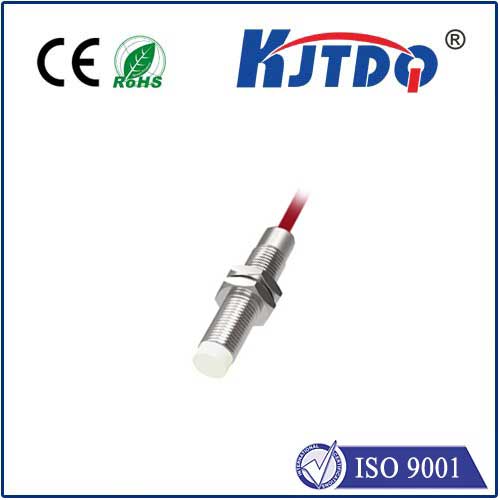
Beyond its pressure resistance, the sensor's specifications are tailored for precise and dependable operation in tight industrial spaces. The "1.8" in its designation typically refers to a 1.8mm flush-mountable sensing distance. This short range is ideal for detecting small or precisely positioned metal targets, such as piston positions or valve actuations, with high repeatability. The M12 form factor provides a compact, industry-standard threaded housing with a 4-pin connector (as indicated by "PBH"), commonly used for DC 3-wire configurations offering both Normally Open (NO) and Normally Closed (NC) output options. This versatility allows for easy integration into existing control systems, whether for simple presence detection or more complex logic sequences.
The "60" often denotes a 60mm barrel length, providing a sturdy mounting solution. The IP67 or higher ingress protection rating, a standard for such robust sensors, guarantees defense against dust and temporary immersion in water, making it suitable for washdown areas or outdoor applications exposed to the elements. Its operational temperature range is built to handle the thermal swings found in industrial settings, from the heat generated by machinery to colder warehouse environments.
The practical benefits of deploying the KNYT1.8-M12-PBH-60 are substantial. In a hydraulic press, it can reliably monitor the position of a cylinder rod under immense fluid pressure, ensuring strokes are complete and preventing damage from over-travel. Within a plastic injection molding machine, it can detect the mold closing position with precision, a critical parameter for maintaining consistent product quality and cycle times. Its durability minimizes replacement frequency, leading to lower long-term ownership costs and less production interruption.
Selecting the right sensor for high-pressure applications requires careful consideration. It is crucial to verify the sensor's specified maximum withstand pressure against the actual peak system pressure, including any potential pressure spikes. Compatibility with the control system voltage (commonly 10-30V DC) and the required output type (PNP or NPN, NO or NC) must be confirmed. Furthermore, ensuring the sensor material is compatible with any potential chemical exposures in its operating environment is a key step for longevity.
In conclusion, the KNYT1.8-M12-PBH-60 represents more than just a component; it is a dedicated solution for operational challenges defined by pressure and demand. It embodies a design philosophy where robustness, precision, and reliability are non-negotiable. For engineers and maintenance professionals seeking to fortify their automation systems against the rigors of high-pressure environments, integrating such purpose-built sensors is a strategic decision. It is an investment in continuous operation, safety, and the overall resilience of industrial processes, ensuring that sensing accuracy remains uncompromised no matter the external forces at play.