check

check

check

check

check

check
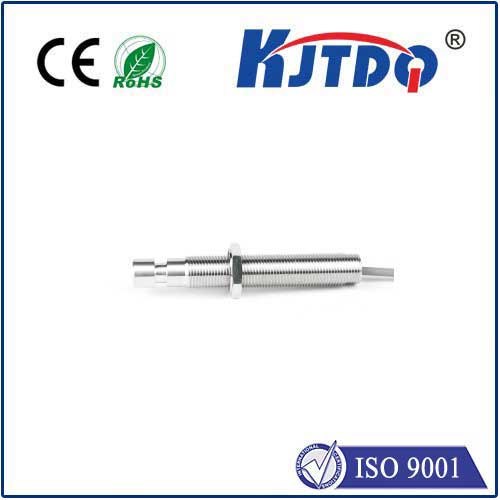
In the world of industrial automation and machinery, the reliability of individual components directly dictates the efficiency and safety of the entire system. When operating under extreme conditions, such as high-pressure washdowns, hydraulic systems, or heavy machinery, standard sensors often fall short. This is where the BD1.5-P1-M8 High Pressure Proximity Sensor steps in, engineered to deliver unwavering performance where others cannot.
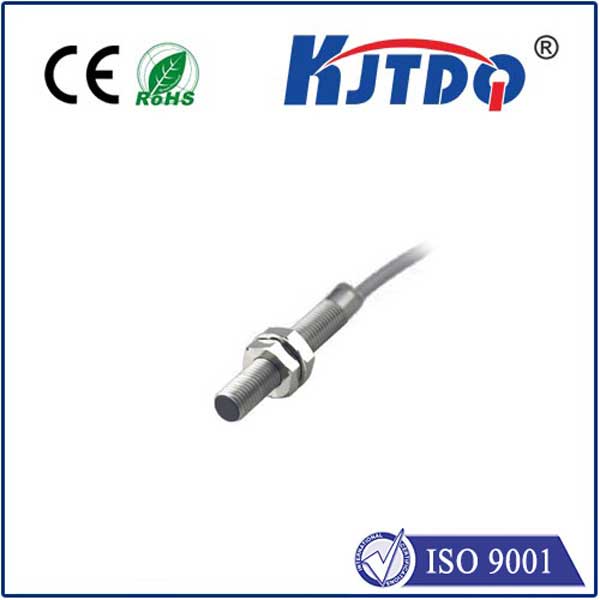
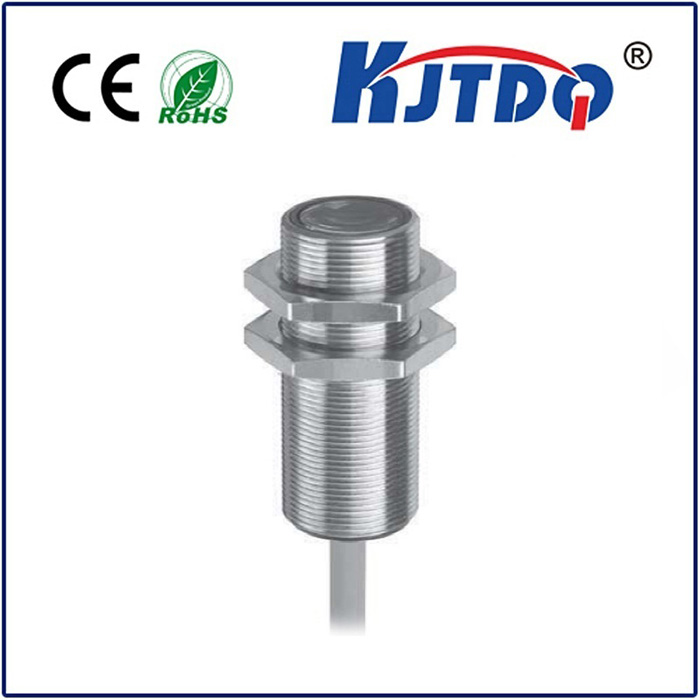
The BD1.5-P1-M8 is not merely a sensor; it is a robust detection device built to withstand the harshest environments. Its core design principle revolves around resilience. The sensor housing is constructed from high-grade stainless steel, providing exceptional resistance to corrosion, physical impact, and the ingress of liquids and solids. This robust construction is critical for applications in food and beverage processing, chemical plants, marine equipment, and off-road vehicles, where exposure to high-pressure cleaning, aggressive chemicals, and constant vibration is a daily reality.
A key feature of this sensor is its ability to maintain precise and stable detection even under significant external pressure. Traditional inductive proximity sensors can suffer from false triggers or signal degradation when subjected to high ambient pressure or direct fluid jets. The BD1.5-P1-M8 incorporates a specialized sealing technology and a reinforced sensing face that effectively isolates the internal electronics from these external forces. This ensures consistent detection of metallic targets, such as pistons, valve positions, or machine parts, with a high degree of repeatability. Its compact P1 form factor and standard M8 connector make it incredibly easy to integrate into existing machinery layouts, saving valuable space and installation time.
The operational benefits are substantial. By implementing the BD1.5-P1-M8, manufacturers and plant operators can drastically reduce unplanned downtime. Sensor failures in critical processes lead to production halts, costly repairs, and potential safety hazards. This sensor's durability translates directly into higher overall equipment effectiveness (OEE). Maintenance cycles are extended, as the sensor requires less frequent inspection or replacement compared to standard models. Furthermore, its high-pressure rating ensures reliable operation during mandatory cleaning procedures, allowing for faster turnaround times without compromising the integrity of the control system.
Beyond durability, the sensor offers excellent performance specifications. It typically features a short-circuit and reverse polarity protection, ensuring it is not easily damaged by common electrical installation errors. The switching frequency is suitable for high-speed applications, and the operating temperature range is broad enough to function reliably in both hot and cold industrial settings. This combination of toughness and technical proficiency makes it a versatile choice for a wide array of challenging applications.
Selecting the right sensor is a strategic decision. For engineers and procurement specialists, the BD1.5-P1-M8 High Pressure Proximity Sensor represents a move towards predictive and preventative maintenance rather than reactive fixes. It is an investment in system stability. By choosing a component designed for extreme duty, companies safeguard their production lines, enhance worker safety by ensuring machines operate as intended, and protect their bottom line from the hidden costs of component failure.
In conclusion, navigating the demands of modern industry requires tools that match the challenge. The BD1.5-P1-M8 High Pressure Proximity Sensor stands as a testament to engineering focused on real-world conditions. It provides a reliable, long-lasting sensing solution that empowers industries to operate with greater confidence, efficiency, and resilience in the face of pressure, both literally and figuratively.