check

check

check

check

check

check
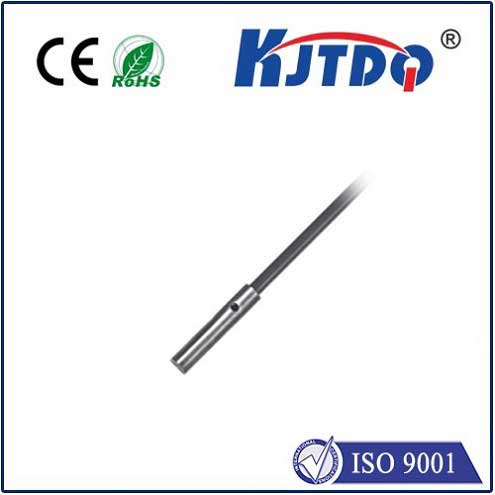
In the complex and often unforgiving world of industrial automation, reliability is not just a feature—it's the foundation. Equipment must perform flawlessly under extreme conditions, where high pressure, temperature fluctuations, and physical stress are daily realities. The failure of a single component can lead to costly downtime, safety hazards, and compromised product quality. This is where sensing technology becomes critical, and not all sensors are created equal. The MFH203 High Pressure Proximity Sensor emerges as a definitive answer to these challenges, engineered specifically for environments where standard sensors falter.
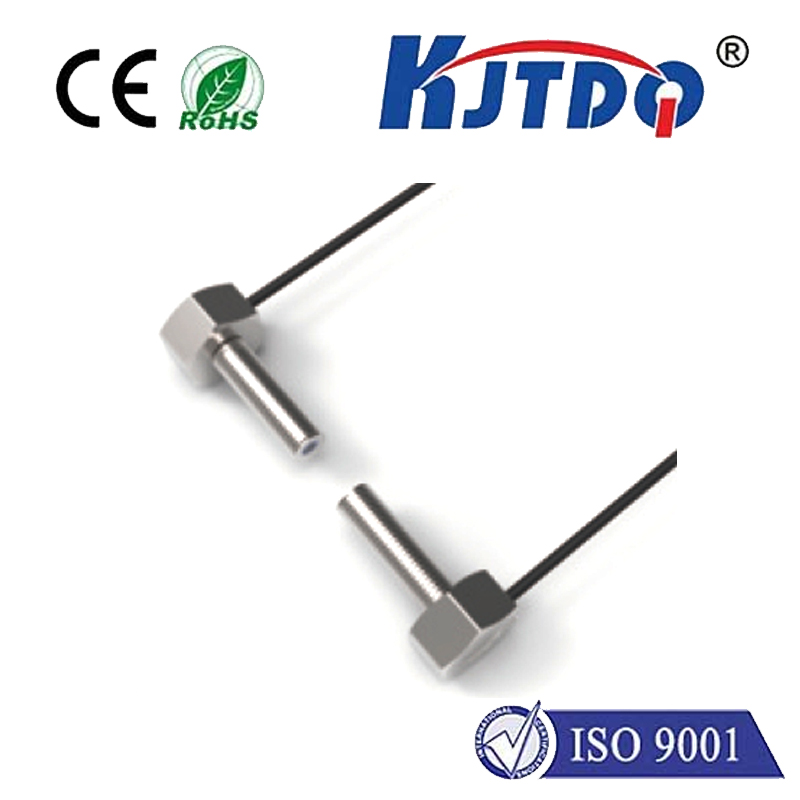
Traditional inductive proximity sensors can struggle when exposed to sustained high-pressure environments, such as those found in hydraulic systems, die-casting machines, plastic injection molding, and heavy-duty press applications. The immense forces can compromise sensor housing integrity, lead to seal failure, and ultimately cause inaccurate readings or complete malfunction. The MFH203 is designed from the ground up to withstand these pressures. Its robust, all-metal stainless steel housing is hermetically sealed, providing exceptional resistance to pressure peaks that would disable lesser devices. This inherent durability ensures continuous operation, monitoring piston positions, valve actuation, or end-of-stroke detection with unwavering confidence, even when system pressures soar.
Beyond mere pressure resistance, the MFH203 excels in performance consistency. It offers a precise and stable switching point, unaffected by the target material's properties like alloy composition or temperature. This is crucial for processes requiring repeatable accuracy to within micrometers. Whether detecting a metal component in a high-pressure hydraulic cylinder or confirming the closure of a massive forging press, the sensor delivers a reliable signal. Its high switching frequency allows it to keep pace with fast-moving machinery, providing real-time data that is essential for modern, synchronized production lines.
Installation and integration are streamlined with the MFH203's versatile design. Available in various form factors and connection types, it can be seamlessly retrofitted into existing machinery or specified for new equipment builds. The sensor's high immunity to electromagnetic interference (EMI) ensures signal integrity even in electrically noisy industrial environments, a common source of false triggers for inferior sensors. Maintenance teams appreciate the device's longevity and reduced need for calibration or replacement, translating directly into lower total cost of ownership and increased overall equipment effectiveness (OEE).
The application scope for the MFH203 is vast. In the automotive sector, it monitors critical steps in high-pressure die-casting for engine blocks. Within the oil and gas industry, it provides reliable feedback on valve positions in demanding offshore and onshore applications. Manufacturers of industrial machinery integrate it into their press brakes, stamping presses, and injection molding machines to guarantee operational safety and precision. In each case, the sensor acts as a dependable digital eye, enabling automated control systems to make intelligent decisions that enhance productivity, protect valuable assets, and ensure worker safety.
Selecting a sensor for high-pressure applications is a decision that impacts the entire production ecosystem. It requires a component that embodies resilience, precision, and technological sophistication. The MFH203 High Pressure Proximity Sensor is not merely a product; it is a commitment to operational excellence. By delivering fail-safe performance under the most strenuous conditions, it empowers engineers and plant managers to push the boundaries of automation without fear of unexpected failure. It represents a smarter investment in infrastructure—one that safeguards productivity, minimizes risk, and drives industrial innovation forward, one reliable detection at a time.