check

check

check

check

check

check
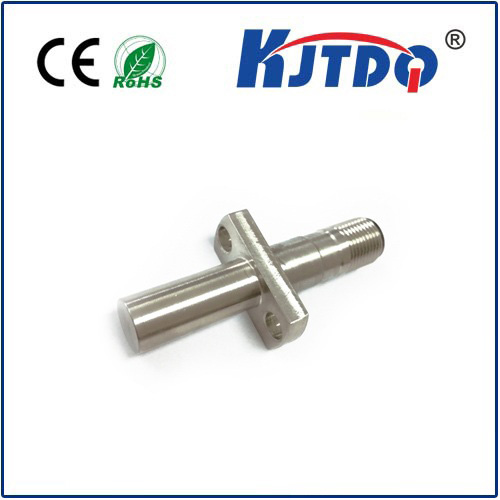
In the demanding world of industrial automation and machinery, the ability to reliably detect objects or monitor positions under extreme conditions is paramount. This is where specialized components like the BD3-P3-M14S-732 High Pressure proximity sensor come into play, offering a robust solution for applications where standard sensors would fail. Designed to operate flawlessly in high-pressure environments, this sensor represents a critical advancement in sensing technology, ensuring process continuity, safety, and efficiency.
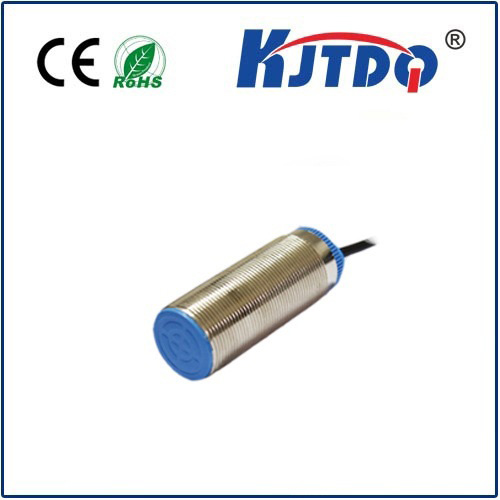
The core function of the BD3-P3-M14S-732 is non-contact detection. Unlike mechanical switches that require physical touch, this proximity sensor uses an electromagnetic field to sense the presence of metallic targets. Its key differentiator is its construction, specifically engineered to withstand elevated pressures commonly found in hydraulic systems, die-casting machines, high-pressure cleaning equipment, and certain subsea applications. The housing and sealing of the BD3-P3-M14S-732 are reinforced to prevent ingress of media and to resist deformation under pressure, maintaining signal integrity and sensor longevity where it matters most.
Technical specifications highlight its suitability for tough jobs. Typically featuring an M14 threaded barrel, it allows for easy and secure installation. The "P3" designation often relates to its pressure rating or performance class, indicating its capability to function in environments several times above atmospheric pressure. With a standard sensing range optimized for its high-pressure design, it provides accurate and repeatable detection. Output signals are commonly available in NPN or PNP configurations, making it compatible with a wide range of programmable logic controllers (PLCs) and control systems. Its robust design also often translates to a high degree of resistance to vibration, shock, and temperature variations, common companions to high-pressure scenarios.
The practical applications for the BD3-P3-M14S-732 are extensive. In hydraulic press monitoring, it can detect the position of a piston or ram, providing essential feedback for control sequences and preventing over-travel. Within the oil and gas industry, it can be employed on equipment requiring monitoring under high wellhead pressures. Manufacturing lines using high-pressure injection molding rely on such sensors to confirm mold closure or part ejection, directly impacting product quality and cycle time. Its reliability translates to reduced downtime, as the sensor itself is less likely to be the point of failure in a harsh system.
Selecting the right high-pressure proximity sensor requires careful consideration. Factors such as the specific pressure range, the type of metal being detected, required sensing distance, electrical output needs, and environmental temperature must all align with the sensor's specifications. The BD3-P3-M14S-732 model is engineered to meet a specific set of these challenging criteria. Consulting technical datasheets and working with knowledgeable suppliers is crucial to ensure the sensor matches the application's physical and electrical demands, guaranteeing optimal performance and safety.
Installation and maintenance, while straightforward, demand attention to detail in high-pressure settings. Ensuring proper thread sealing and torque during installation is critical to maintaining the sensor's pressure integrity. Regular checks for physical damage, corrosion, or seal wear are recommended as part of a preventative maintenance schedule. Despite its ruggedness, protecting the sensor's cable or connector from excessive strain and chemical exposure will further extend its operational life.
In conclusion, the BD3-P3-M14S-732 High Pressure proximity sensor is more than just a component; it is an enabling technology for industrial operations that push the boundaries of pressure. By providing dependable non-contact sensing where few alternatives can survive, it supports automation goals of increased productivity, enhanced safety protocols, and improved system reliability. For engineers and maintenance professionals facing the challenge of monitoring in compressible fluid systems or other high-force applications, specifying a purpose-built sensor like the BD3-P3-M14S-732 is a decisive step toward building a more resilient and efficient operation.