check

check

check

check

check

check
In the dynamic world of industrial automation, precision, reliability, and durability are non-negotiable. The QS30LLPC photoelectric switch stands as a cornerstone component for engineers and system integrators seeking to enhance operational efficiency and machine safety. This comprehensive guide delves into the technical specifications, operational principles, and diverse applications of this robust sensor, providing a clear understanding of its role in modern manufacturing environments.
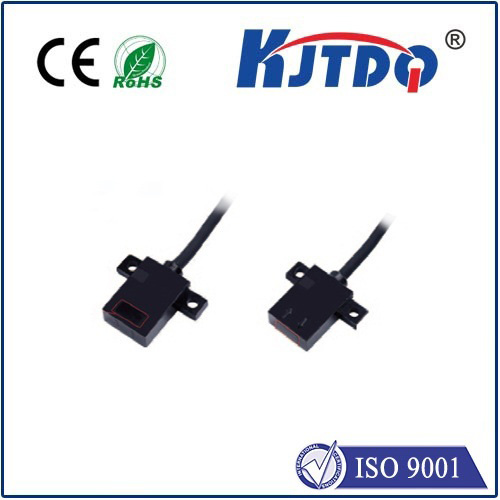
At its core, the QS30LLPC is a self-contained, modulated LED photoelectric sensor. It operates on the principle of through-beam sensing, where a separate emitter and receiver unit are required. The emitter projects a focused beam of infrared or visible red light towards the receiver. When an object passes between the two, it interrupts this beam, causing the receiver's output state to change. This simple yet highly effective method allows for long sensing distances—often up to 30 meters or more with the QS30LLPC series—and provides exceptional reliability, as it is largely immune to the color or reflectivity of the target object.
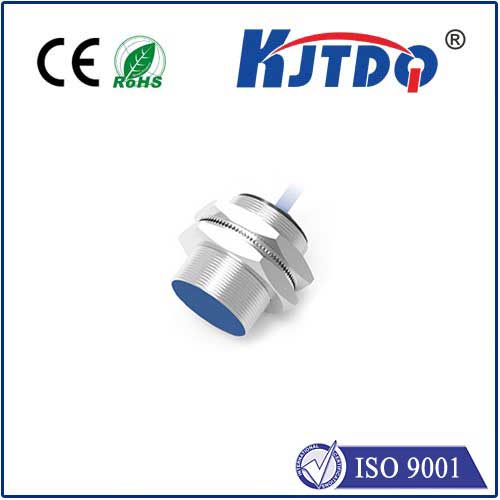
The "LLPC" designation hints at key features. The housing is typically constructed from a rugged, nickel-plated brass or stainless steel, offering superior resistance to physical impact, chemicals, and harsh environmental conditions like washdowns. This makes it ideal for demanding sectors such as food and beverage processing, packaging, material handling, and automotive assembly lines. The device is often equipped with an LED status indicator, providing immediate visual feedback for power and output state, which simplifies installation and troubleshooting.
One of the primary advantages of the QS30LLPC is its high immunity to ambient light interference. By using a modulated light signal, the sensor can distinguish its own beam from background lighting, such as factory overhead lights or sunlight from windows, ensuring stable and false-trigger-free operation. This is critical for maintaining consistent production quality and preventing costly downtime. Furthermore, many models feature a sensitivity adjustment or teach-in function, allowing technicians to fine-tune the sensor for specific applications, whether detecting transparent glass bottles, small components on a fast conveyor, or large pallets.
Integration into control systems is straightforward. The QS30LLPC typically provides a digital output, such as an NPN or PNP transistor, or a relay contact, compatible with standard programmable logic controllers (PLCs), counters, and safety circuits. Its robust design often includes an IP67 or higher ingress protection rating, signifying complete protection against dust and temporary immersion in water.
Common applications are vast. In packaging, it counts boxes on a high-speed line. In automotive plants, it verifies the presence of parts on a robotic welding line. In warehouse automation, it serves as a safety beam to detect personnel at access points or to position pallets for automated storage and retrieval systems. Its long-range capability is particularly useful for large-scale applications like monitoring the fill level in silos or controlling crane movement.
Selecting the right photoelectric switch involves considering factors like sensing distance, target size, environmental conditions, and required output. The QS30LLPC, with its through-beam design, is the go-to choice when maximum range and unwavering reliability are paramount. For optimal performance, proper alignment of the emitter and receiver is crucial, and mounting hardware should secure the units against vibration.
In conclusion, the QS30LLPC photoelectric switch represents a proven and reliable solution for object detection across countless industries. Its rugged construction, long sensing range, and immunity to environmental challenges make it a fundamental building block for creating smarter, safer, and more efficient automated systems. By understanding its capabilities and correct implementation, maintenance engineers and plant managers can significantly improve process reliability and reduce operational costs.