check

check

check

check

check

check
In the intricate world of industrial automation, the reliability of a single component can dictate the efficiency of an entire production line. Among these critical components, photoelectric switches stand as silent sentinels, and the ZL34-3022PH model has carved out a significant reputation for precision and durability. This guide delves into the core features, operational principles, and diverse applications of this advanced sensor, providing a comprehensive understanding for engineers and system integrators.
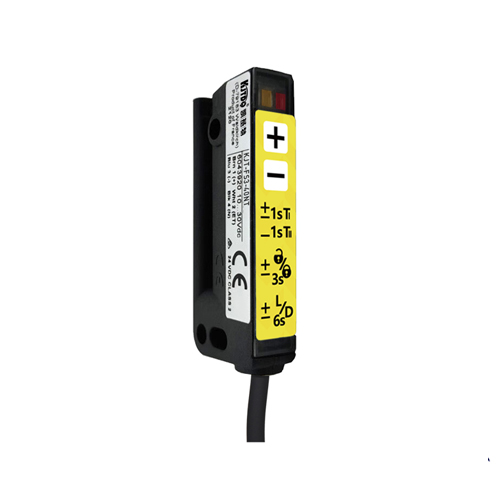
The ZL34-3022PH is a through-beam photoelectric switch, a design known for its long sensing distance and high reliability. This model operates on a fundamental principle: a separate emitter unit projects a focused beam of light—typically infrared or laser—towards a dedicated receiver unit. An object is detected when it interrupts this beam. This method offers distinct advantages, including exceptional accuracy and the ability to sense virtually any material, regardless of color, texture, or reflectivity. The "PH" designation often relates to specific housing material or connector type, indicating a robust build suitable for challenging environments.
Key technical specifications define its performance envelope. The ZL34-3022PH typically boasts a long sensing range, which can extend several meters, making it ideal for large-scale applications. It features a fast response time, measured in milliseconds, ensuring it can keep pace with high-speed conveyor systems. The device is usually built with a rugged housing, offering high ingress protection ratings such as IP67, which guarantees resistance against dust and temporary water immersion. This durability is crucial for deployment in manufacturing plants, packaging facilities, and outdoor logistics hubs where conditions are less than ideal.
The versatility of the ZL34-3022PH photoelectric switch is demonstrated across numerous industries. In automotive assembly lines, it is used for precise part positioning and robot guidance. Within the packaging sector, it counts bottles, detects label presence, and ensures carton flap closure. In material handling, these switches monitor object presence on conveyors, control sorting gates, and provide safety interlocking for automated guided vehicles (AGVs). A particularly critical application is in security systems, where the unbroken beam acts as an invisible fence for perimeter protection.
Selecting and installing the ZL34-3022PH requires careful consideration. The primary step is ensuring the required sensing distance aligns with the application's physical layout. Environmental factors are paramount; while the unit is robust, excessive ambient light, heavy fog, or accumulations of dirt on the lenses can impair function. Proper alignment of the emitter and receiver is critical for through-beam models—misalignment is a common source of failure. Utilizing mounting brackets and ensuring a stable, vibration-free installation will maximize operational life. For integration, the switch typically provides a digital output (like NPN or PNP) that can be easily connected to a Programmable Logic Controller (PLC) or other control systems.
Maintenance, though minimal, is essential for sustained performance. Regular cleaning of the optical lenses with a soft cloth prevents false triggers caused by dust or grime. Periodically verifying the alignment and checking the tightness of electrical connections can prevent unexpected downtime. Understanding the indicator lights on the device is also helpful for quick diagnostics.
When compared to other sensing technologies like proximity sensors or ultrasonic sensors, the ZL34-3022PH through-beam photoelectric switch offers superior range and precision for non-contact detection. Its main limitation is the requirement for two separate units to be installed opposite each other, which can be more complex than mounting a single diffuse-reflective sensor. However, for applications demanding the highest level of reliability over distance, this is a worthy compromise.
In conclusion, the ZL34-3022PH photoelectric switch represents a mature and highly effective solution for object detection in automated systems. Its through-beam design delivers unmatched reliability for counting, positioning, and security tasks across a vast array of industrial settings. By understanding its capabilities, proper installation protocols, and maintenance needs, engineers can leverage this device to create more efficient, reliable, and intelligent automation solutions, forming the dependable backbone of modern industrial operations.