check

check

check

check

check

check
In the world of industrial automation, the reliability of a single component can dictate the efficiency of an entire production line. Among the myriad of sensors available, the PR18-B0DPO photoelectric switch stands out as a cornerstone for precise, non-contact detection. This comprehensive guide delves into the technology, applications, and critical advantages of this specific sensor model, providing essential insights for engineers and procurement specialists.
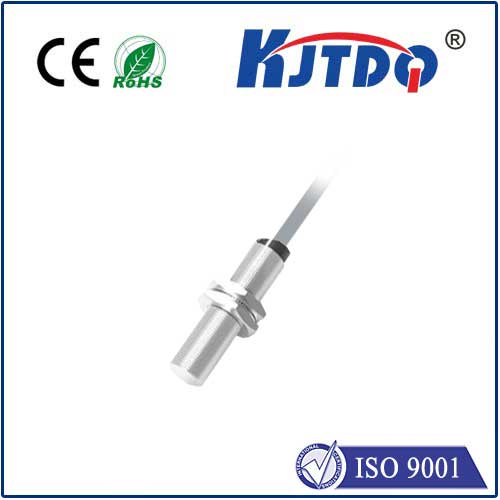
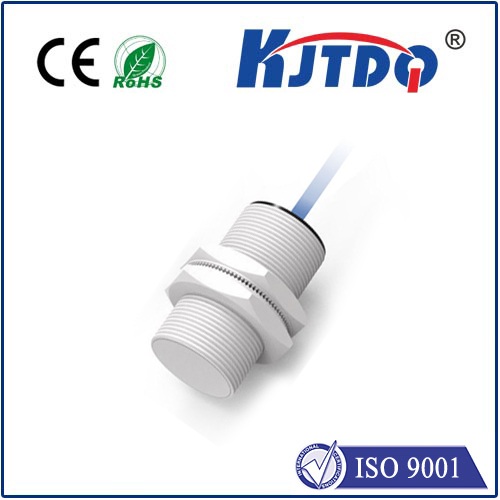
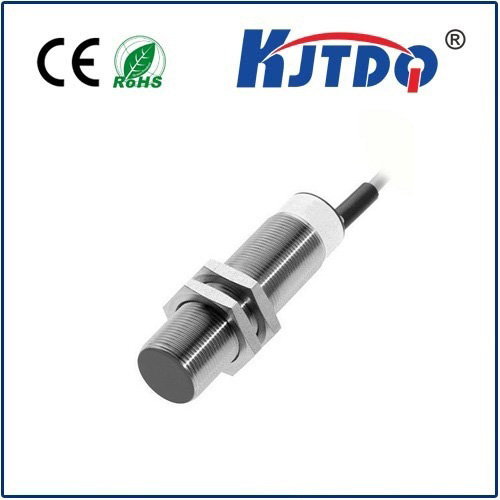
At its core, the PR18-B0DPO is a diffuse reflective photoelectric sensor. It operates by emitting a beam of light from its built-in LED (typically infrared or red) and detecting the light that is reflected back from a target object. Unlike through-beam sensors that require a separate receiver, this model houses both the emitter and receiver in one compact, cylindrical housing, typically 18mm in diameter as denoted by its model number. The "B0DPO" suffix often indicates specific electrical characteristics, such as a normally open (NO) or normally closed (NC) output configuration (typically PNP or NPN transistor switching), and its operating voltage range, commonly 10-30V DC. This design simplifies installation, requiring wiring only on one side, which is a significant advantage in space-constrained environments.
The operational principle is elegantly straightforward yet highly effective. The sensor's internal circuitry constantly evaluates the intensity of the reflected light. When an object enters its sensing range, the amount of reflected light changes dramatically. The sensor's logic then triggers its solid-state output switch, sending a clear signal to a programmable logic controller (PLC), relay, or other control system. The sensing distance for a diffuse sensor like the PR18-B0DPO is fixed and depends on the color, material, and surface finish of the target. For optimal performance, it is crucial to consult the manufacturer's datasheet for the exact specifications regarding standard sensing ranges, which are often defined using a standard white test card.
The applications for the PR18-B0DPO photoelectric switch are vast and varied across multiple industries. In packaging machinery, it is indispensable for detecting the presence of boxes on a conveyor belt, ensuring proper spacing and triggering downstream processes like labeling or sealing. Within automotive assembly lines, these sensors verify the correct placement of components or count passing parts with high speed and accuracy. They are also fundamental in material handling systems for level detection in bins or for ensuring bottles are present and upright before filling. Their robustness makes them suitable for harsh environments, often featuring housing materials that offer resistance to dust, moisture, and mechanical impact, though specific IP (Ingress Protection) ratings should always be verified for the application's needs.
Choosing the PR18-B0DPO photoelectric switch offers several compelling benefits. First is its remarkable reliability. With no moving parts and using optical sensing, it is immune to the wear and tear that plagues mechanical limit switches, leading to a longer operational lifespan and reduced maintenance costs. Second is its speed; it can detect objects and switch its output in milliseconds, making it perfect for high-speed production environments. Third is its versatility in object detection. It can sense a wide array of materials—plastic, metal, wood, glass—regardless of their conductivity, unlike inductive proximity sensors. Finally, its simple two-wire or three-wire connection facilitates easy integration into existing control panels.
For optimal deployment, correct installation and alignment are paramount. The sensor should be mounted securely to minimize vibration. The sensing face must be positioned perpendicular to the expected path of the target object. Environmental factors like ambient light, dust, and highly reflective backgrounds can cause interference. Many models, including variants of the PR18-B0DPO, come equipped with features like background suppression or a potentiometer for sensitivity adjustment to mitigate these issues. Regular cleaning of the lens is also a simple but critical maintenance task to ensure consistent performance over time.
When sourcing a PR18-B0DPO photoelectric switch, it is vital to cross-reference the exact specifications. Key parameters include the operating voltage, output type (PNP/NPN, NO/NC), sensing range, response time, connection type (pre-wired cable or connector), and environmental protection rating. Reputable manufacturers provide detailed datasheets that outline these specifications, ensuring the selected sensor matches the electrical and physical requirements of the application. Partnering with a trusted supplier guarantees not only product authenticity but also access to technical support.
In conclusion, the PR18-B0DPO photoelectric switch represents a mature, reliable, and highly adaptable solution for modern industrial sensing challenges. Its design balances performance with practicality, offering a dependable means of object detection that enhances automation safety, precision, and throughput. By understanding its operating principles, applications, and selection criteria, engineers can leverage this powerful tool to build more resilient and efficient automated systems, forming the invisible yet critical backbone of smart manufacturing and logistics operations worldwide.