check

check

check

check

check

check
In the intricate world of industrial automation, where precision, reliability, and efficiency are non-negotiable, the choice of sensing components can make or break a production line. Among the myriad of options available, the E3F-5DN2-5L photoelectric switch stands out as a cornerstone of modern detection and control systems. This comprehensive guide delves into the specifics of this sensor, exploring its operational principles, key features, and the vast array of applications where it proves indispensable.
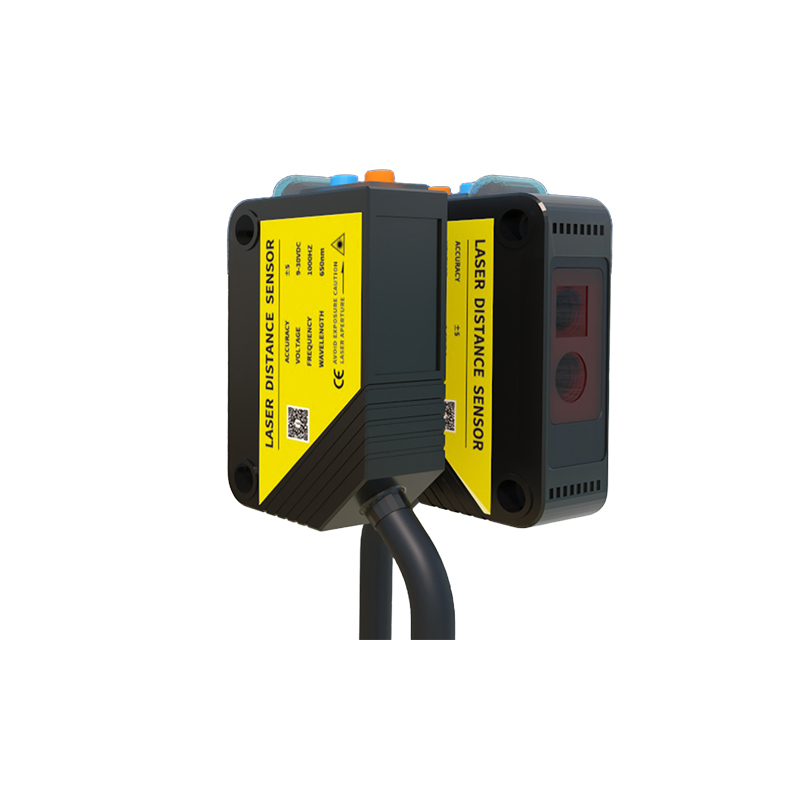
At its core, the E3F-5DN2-5L is a diffuse reflective photoelectric sensor. This means it houses both a light emitter (typically an LED) and a receiver within a single, compact housing. The sensor operates by emitting a beam of light, usually infrared or visible red. When this beam strikes an object within its sensing range, a portion of the light is diffused and reflected back to the receiver. The sensor's internal circuitry detects this returning light and triggers an output signal. The "5L" in its model name often denotes a specific sensing distance, which for this model is typically 5 centimeters, making it ideal for close-range, high-precision detection tasks.
What truly sets the E3F-5DN2-5L apart are its robust features designed for harsh industrial environments. It commonly features an NPN normally open (NO) output configuration, which is widely compatible with programmable logic controllers (PLCs) and other standard industrial control systems. The housing is frequently constructed from durable, industrial-grade plastics or metals, offering significant resistance to dust, moisture, and mechanical impact. Many variants come with a built-in sensitivity adjustment potentiometer, allowing technicians to fine-tune the sensor's response to different surface colors and materials, ensuring stable performance even when detecting objects with low reflectivity.
The versatility of the E3F-5DN2-5L photoelectric switch is demonstrated across numerous sectors. In packaging machinery, it is used for precise label detection, ensuring every product is correctly marked before shipment. On assembly lines, it counts components, verifies the presence of parts, and detects product positioning errors. Within automated material handling systems, these sensors monitor the passage of items on conveyors, preventing jams and enabling smooth logistics. They are also fundamental in robotics for end-of-arm tooling detection and in vending machines for product dispensing verification. Their non-contact nature means there is no physical wear, leading to exceptionally long service life and minimal maintenance requirements.
Selecting and installing the E3F-5DN2-5L requires attention to detail. Key parameters to verify include the operating voltage range (commonly 10-30V DC), the output current capacity, and the response time. Proper installation is crucial; the sensor must be positioned at the correct angle and distance from the target object. Environmental factors such as ambient light, dust, and vibrations should be considered. For optimal performance in challenging conditions, selecting a model with a modulated light source can help eliminate interference from other light sources. Regular cleaning of the lens and periodic functional checks are simple yet effective practices to ensure continuous, fault-free operation.
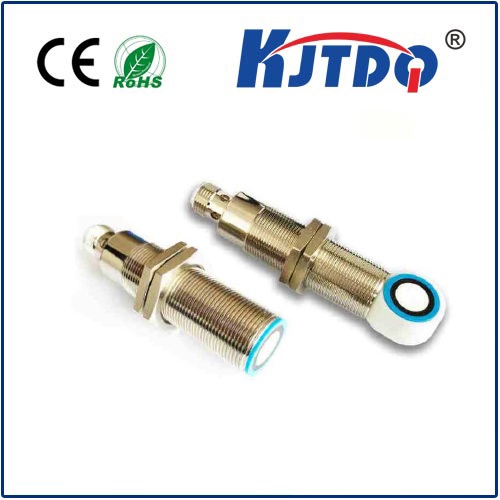
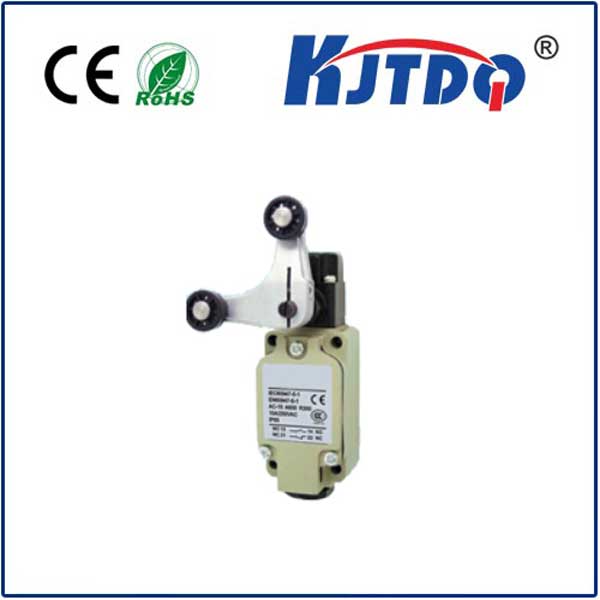
When compared to other sensing technologies like inductive proximity sensors or mechanical limit switches, the E3F-5DN2-5L offers distinct advantages. Unlike inductive sensors that only detect metals, photoelectric switches can detect virtually any material—plastic, wood, glass, or liquid. Compared to mechanical switches, they provide a non-contact solution, eliminating physical wear and tear and allowing for much higher operational speeds. This combination of material versatility, non-contact operation, and reliability solidifies its position as a preferred choice for countless detection scenarios.
In conclusion, the E3F-5DN2-5L photoelectric switch is more than just a component; it is a critical enabler of automation intelligence. Its precise detection capability, environmental resilience, and flexible application potential make it a trusted workhorse in factories worldwide. For engineers, system integrators, and maintenance professionals, understanding and effectively utilizing this sensor is key to building robust, efficient, and future-proof automated systems. As automation continues to evolve, the fundamental role of reliable sensors like the E3F-5DN2-5L in bridging the physical and digital worlds remains absolutely central.