check

check

check

check

check

check
In the demanding world of industrial automation, precision and reliability are non-negotiable. The ZL50-3032PK photoelectric switch stands as a critical component in countless systems, ensuring seamless operations from conveyor belt monitoring to precise object detection. This comprehensive guide delves into the features, applications, and advantages of this robust sensor, explaining why it is a preferred choice for engineers and system integrators globally.
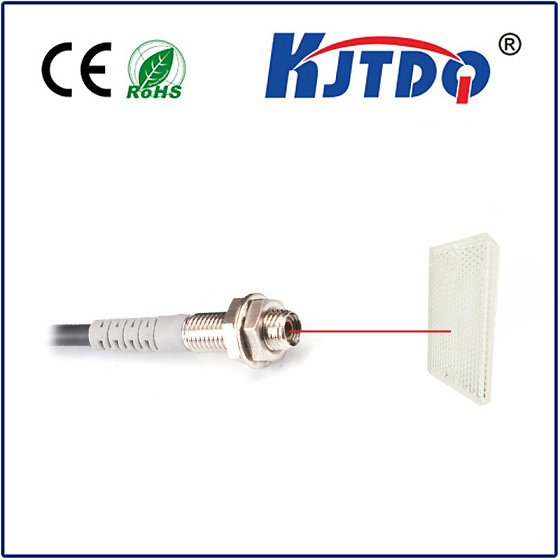
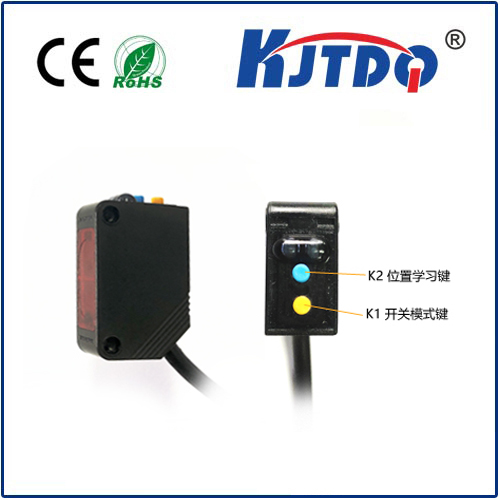
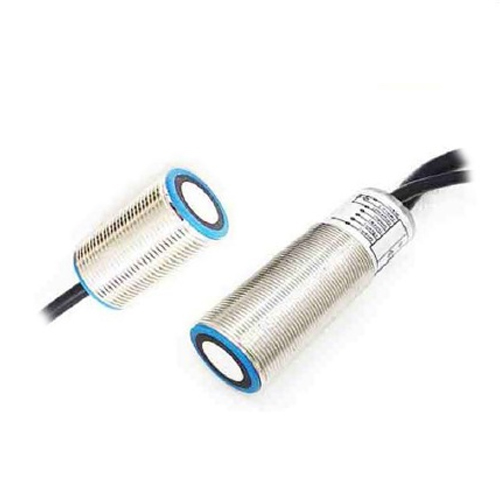
At its core, the ZL50-3032PK is a through-beam photoelectric sensor. This design involves a separate transmitter and receiver unit. The transmitter emits a focused beam of light, typically infrared or laser, which is then received by the opposing unit. An object is detected when it interrupts this light beam. This method offers significant benefits, including a long sensing distance, high positional accuracy, and exceptional reliability, as it is less susceptible to the color, texture, or reflectivity of the target object compared to reflective models.
The "ZL50-3032PK" designation reveals key specifications. The model is engineered for durability in harsh industrial environments. It often features a sturdy housing rated for IP67 protection, making it resistant to dust ingress and capable of withstanding temporary immersion in water. This resilience is crucial for applications in manufacturing plants, packaging lines, and outdoor logistics where exposure to contaminants, moisture, and mechanical vibration is common. The switch typically operates on a standard industrial DC voltage range, ensuring easy integration into existing control panels and PLC (Programmable Logic Controller) systems.
One of the primary strengths of the through-beam design exemplified by the ZL50-3032PK is its consistent performance. Since the receiver directly detects the transmitter's beam, the signal is strong and clear. This results in a stable switching function with minimal risk of false triggers from ambient light or shiny surfaces. The sensing range can be several meters, allowing for the detection of large objects or the creation of safety light curtains across wide apertures. Installation, while requiring alignment of two separate units, is straightforward. Modern versions often incorporate alignment indicators, such as LED lights that change color or intensity when optimal alignment is achieved, simplifying setup and maintenance.
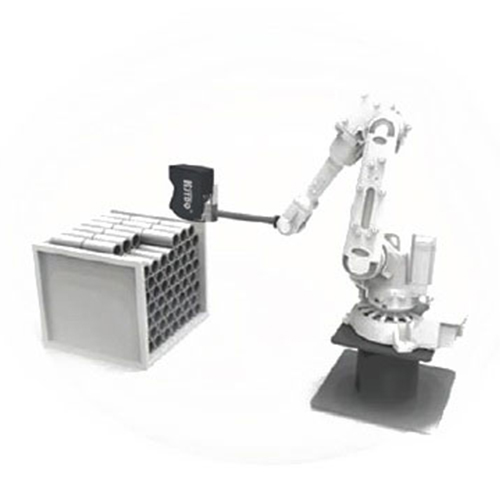
The applications for the ZL50-3032PK photoelectric switch are vast and varied. In material handling, it is indispensable for counting products on a high-speed conveyor, detecting jams, or signaling the presence of a package at a sorting station. In the automotive industry, it ensures robotic arms position components correctly by verifying their presence on an assembly line. It can act as a safety interlock on machinery guards, stopping equipment if the light beam is broken by an operator's hand. Furthermore, in packaging, it triggers sealing or labeling machines precisely when a product is in position.
When selecting a sensor like the ZL50-3032PK, several factors must be considered to ensure optimal performance. The required sensing distance is paramount; the chosen model must have a range exceeding the actual application gap to account for potential misalignment or environmental factors. The environmental conditions dictate the necessary ingress protection (IP) rating. The output type—whether NPN (sinking) or PNP (sourcing)—must be compatible with the controller's input card. Response time is another critical parameter, especially for high-speed production lines where milliseconds matter. The ZL50-3032PK is typically designed to meet these rigorous industrial demands.
Beyond its technical specifications, the value of a reliable photoelectric switch lies in reducing downtime and maintenance costs. A sensor that fails or provides erratic signals can halt an entire production line, leading to significant financial loss. The robust construction and proven technology of the through-beam ZL50-3032PK model contribute to long-term operational stability. Its clear detection principle minimizes tuning and troubleshooting time, allowing maintenance teams to focus on more complex system issues.
For system designers and maintenance engineers, understanding the capabilities and proper implementation of components like the ZL50-3032PK is key to building resilient automation systems. Its role in enabling precise, contactless detection makes it a fundamental building block in the architecture of modern smart factories and logistics hubs. By providing a dependable "yes" or "no" signal about the presence of an object, it forms the essential sensory link between the physical movement of materials and the digital logic of the control system, driving efficiency and safety across industries.