check

check

check

check

check

check
In the intricate world of industrial automation, the reliability and accuracy of every component are paramount. Among these critical components, the photoelectric switch stands as a silent sentinel, enabling countless processes to function seamlessly. The RL28-55-V-Z/47/82b/116 photoelectric switch represents a pinnacle of design in this category, offering a robust solution for demanding sensing applications. This guide delves into its features, applications, and the tangible benefits it brings to modern operations.
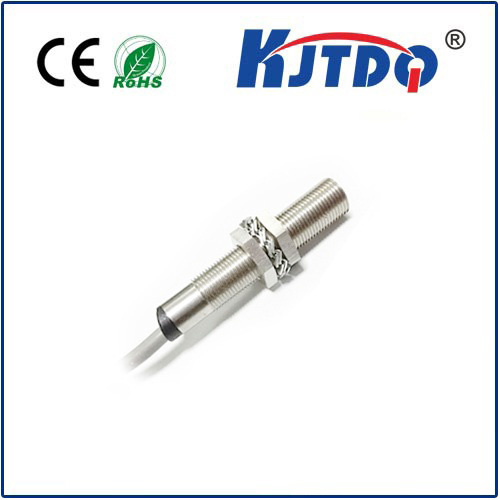
At its core, the RL28-55-V-Z/47/82b/116 is a through-beam photoelectric sensor. This model designation is not arbitrary; it encodes specific technical characteristics. The housing, typically a cylindrical M18 form factor, is engineered from high-grade materials like nickel-plated brass or stainless steel, granting it exceptional resistance to environmental stressors such as moisture, dust, and mechanical impact. This rugged construction ensures longevity even in harsh factory settings, from automotive assembly lines to food and beverage processing plants.
The operational principle is elegantly simple yet highly effective. The device consists of two separate units: a transmitter and a receiver. The transmitter emits a focused beam of light, often infrared or laser, which is then detected by the receiver positioned opposite. When an object interrupts this beam, the sensor triggers a switching signal. The "through-beam" method is renowned for its long sensing range and high reliability, as it is less susceptible to interference from the object's surface color, texture, or reflectivity compared to diffuse reflection sensors. The RL28-55-V-Z/47/82b/116 excels in this regard, providing stable detection over considerable distances.
Key technical specifications define its performance envelope. The operating voltage is typically designed for standard industrial DC ranges, ensuring easy integration into existing control systems. Its output configuration, often a solid-state PNP or NPN transistor, allows for fast switching speeds, capable of detecting objects moving at high velocities. The built-in LED indicators provide clear visual status feedback for power and output state, simplifying installation and troubleshooting. Furthermore, models like this often feature adjustable sensitivity or a teach-in function, allowing technicians to fine-tune the sensor to the specific application, minimizing false triggers.
The versatility of the RL28-55-V-Z/47/82b/116 photoelectric switch is demonstrated across diverse sectors. In material handling, it is indispensable for precise object counting on conveyor belts, detecting jams, and ensuring accurate positioning for robotic pick-and-place operations. Within the packaging industry, it verifies the presence of labels, monitors fill levels, and controls the cutting and sealing processes. In automated assembly, it confirms the presence of components before a critical operation, such as welding or screwing, preventing costly errors and machine damage. Its robust design also makes it suitable for outdoor applications like vehicle detection in parking systems or gate automation.
Choosing the RL28-55-V-Z/47/82b/116 translates into direct operational advantages. Its high precision reduces waste and improves product quality by ensuring only correctly positioned items proceed down the line. The enhanced reliability minimizes unplanned downtime, a major cost driver in continuous production environments. The sensor's durability lowers total cost of ownership by reducing the frequency of replacements. Finally, its straightforward installation and configuration save valuable engineering time, allowing for quicker system deployment and modifications.
When integrating this sensor, practical considerations ensure optimal performance. Proper alignment between the transmitter and receiver is crucial; mounting brackets can aid in achieving and maintaining this alignment. The operating environment must be assessed for potential optical interference, such as ambient light from welding arcs or sunlight, which might necessitate sensors with modulated light sources for immunity. Regular maintenance, primarily keeping the lenses clean from dirt and grime, preserves sensing accuracy over the long term.
In conclusion, the RL28-55-V-Z/47/82b/116 photoelectric switch is more than just a component; it is a foundational element for building resilient and efficient automated systems. Its combination of rugged construction, precise through-beam sensing technology, and adaptable features makes it a trusted choice for engineers seeking to enhance detection reliability. By understanding its capabilities and applying it correctly, businesses can achieve greater control, efficiency, and productivity in their automated processes, solidifying their competitive edge in an increasingly automated world.