check

check

check

check

check

check
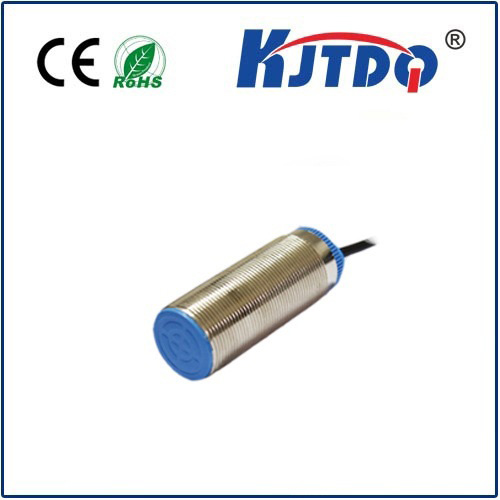
In the world of industrial automation, precision and reliability are non-negotiable. Downtime caused by sensor failure is costly, and inaccurate detection can lead to production errors, safety hazards, and significant financial loss. This is where the M100-RT/35/76b/95 photoelectric switch stands out, engineered to deliver unwavering performance in the most demanding environments. Unlike standard sensors that may falter under pressure, this device is built for endurance and accuracy.
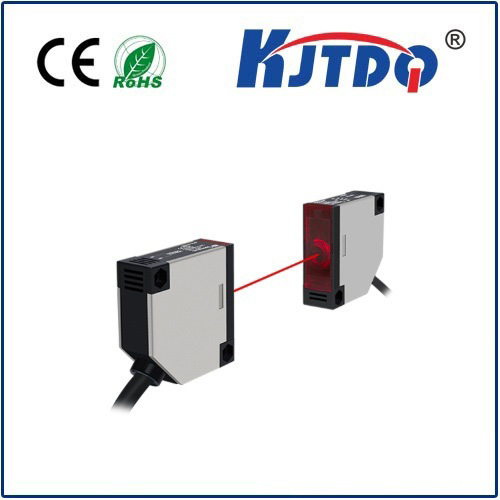
The core of the M100-RT/35/76b/95 lies in its advanced through-beam sensing principle. It consists of two separate units: a transmitter and a receiver. The transmitter emits a focused beam of light, typically infrared or laser, which is then captured by the receiver. An object is detected when it interrupts this beam. This method offers distinct advantages, including a very long sensing range, high immunity to environmental interferences like dust, steam, or ambient light, and exceptional detection accuracy. For applications requiring reliable detection over distances or in challenging conditions, the through-beam design is often the superior choice.
Let's delve into the specific model code to understand its capabilities. The "M100" denotes the series, known for robust housing and industrial-grade components. "RT" typically indicates a rectangular housing style, providing a sturdy form factor for easy mounting. "35" often refers to a specific sensing range, in this case, likely up to 35 meters, making it ideal for large-scale operations like warehouse conveyor systems, parking garage vehicle detection, or long assembly lines. The "76b" suffix usually details the electrical output type and connection method, such as a PNP or NPN transistor output and a specific connector style (e.g., M12 plug), ensuring seamless integration into various control systems. Finally, "95" could specify the light source type or a particular lens option, optimizing the beam for the intended application.
The applications for the M100-RT/35/76b/95 are vast and critical. In material handling and packaging, it ensures precise carton counting, bottle presence verification on high-speed fillers, and pallet positioning. In the automotive industry, it safeguards robotic welding cells by confirming part placement and monitors vehicle position on assembly tracks. In warehouse automation, it is indispensable for controlling automated storage and retrieval systems (AS/RS), ensuring goods are correctly positioned and preventing collisions. Its long range and reliability also make it perfect for security perimeters, door control systems, and traffic management.
Choosing a photoelectric switch is about more than just specifications; it's about trust in performance. The M100-RT/35/76b/95 is constructed with high-quality materials to withstand vibrations, temperature fluctuations, and exposure to oils or coolants. Its design minimizes false triggers, a common pitfall with less refined sensors. When integrated into a control system, it provides a consistent, clean signal that PLCs and other controllers can depend on cycle after cycle. This reliability translates directly into increased productivity, reduced waste, and enhanced operational safety.
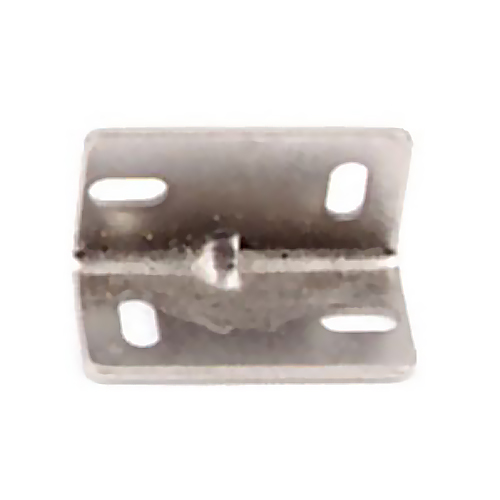
Installation and alignment are straightforward with the M100-RT/35/76b/95. Many models feature built-in alignment aids like visible red light beams or precise mounting brackets. Once correctly aligned, the system requires minimal maintenance, offering a stable solution for years of service. For engineers and system integrators, this sensor reduces commissioning time and long-term support costs.
In conclusion, for applications demanding long-range, fail-safe object detection, the M100-RT/35/76b/95 photoelectric switch presents a compelling solution. Its through-beam technology, rugged construction, and precise engineering address the core challenges of modern industrial automation. By ensuring accurate detection where it matters most, this device becomes more than just a component; it is a foundational element for building efficient, safe, and reliable automated processes. Investing in such a sensor is an investment in the smooth and profitable operation of your facility.