check

check

check

check

check

check
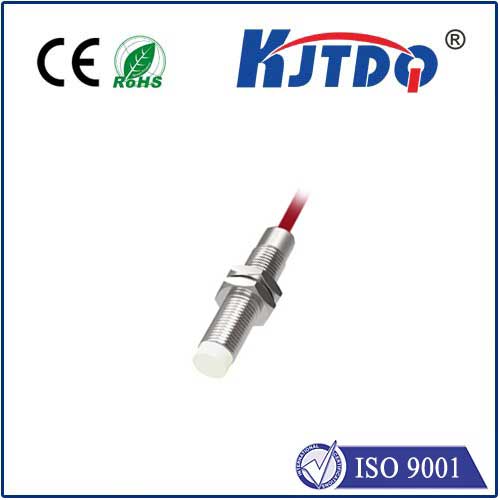
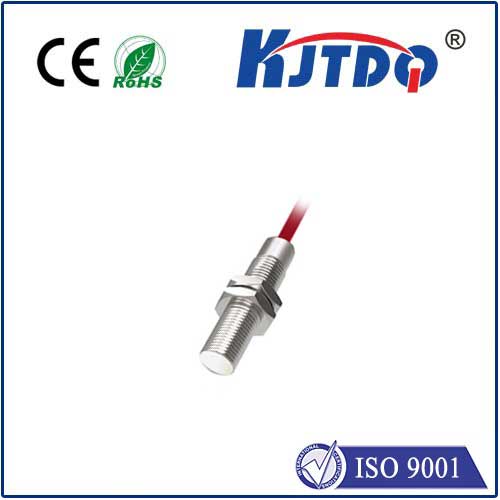
In the world of industrial automation and control systems, the reliability and precision of sensing components are paramount. Among the myriad of options available, the CL58-2423GH photoelectric switch stands out as a robust and versatile solution for a wide range of applications. This device exemplifies the advanced integration of optical sensing technology, designed to deliver consistent performance in demanding environments. Understanding its operational principles, key features, and optimal use cases is essential for engineers and system integrators aiming to enhance their automation processes.
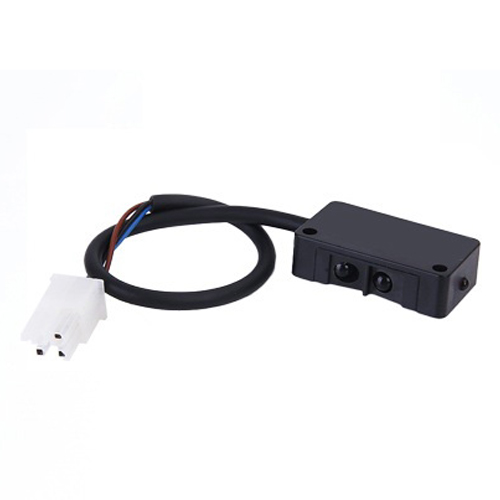
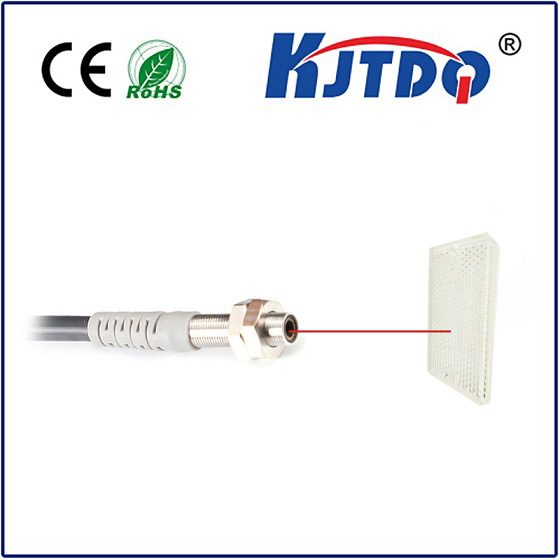
The CL58-2423GH is a through-beam type photoelectric sensor. This fundamental design involves separate units: an emitter and a receiver. The emitter projects a focused beam of light, typically from an LED source, across a designated path. The receiver, positioned opposite the emitter, continuously monitors for this light signal. An object is detected when it physically interrupts this beam, causing the receiver's output state to change. This method is renowned for its long sensing distances, high positional accuracy, and excellent immunity to environmental factors like target color, reflectivity, or surface finish. Compared to diffuse-reflective or retro-reflective models, the through-beam design of the CL58-2423GH offers superior reliability for critical detection tasks where false signals are unacceptable.
Several technical specifications define the capability of the CL58-2423GH. It typically operates with a DC supply voltage, commonly in the 10-30V DC range, making it compatible with standard industrial control circuits. Its output is often in the form of an NPN or PNP transistor switch, providing a solid-state, fast-response signal to programmable logic controllers (PLCs) or other control units. The sensing distance, a critical parameter, is substantial, often reaching several meters, allowing for flexible installation in large machinery or conveyor systems. Furthermore, it boasts a high switching frequency, enabling it to detect rapidly moving objects on high-speed production lines without missing a beat. The housing is usually constructed from durable, industrial-grade materials like nickel-plated brass or stainless steel, offering resistance to vibration, moisture, and chemical exposure, which aligns with IP67 or similar ingress protection ratings.
The practical applications of the CL58-2423GH photoelectric switch are extensive across various industries. In packaging and bottling plants, it is indispensable for precise object counting, ensuring the correct number of items per box or verifying the presence of bottles on a filling line. Within the automotive manufacturing sector, these sensors are used for precise positioning of components on assembly robots or for verifying the passage of parts through automated welding stations. In material handling and logistics, they serve as reliable gatekeepers on conveyor belts, detecting parcels for sorting or triggering automatic diverters. Their through-beam nature makes them ideal for safety applications as well, such as creating invisible light curtains to protect personnel near hazardous machinery, where any beam break triggers an immediate machine halt.
To maximize the performance and lifespan of the CL58-2423GH, proper installation and maintenance are crucial. During installation, precise alignment of the emitter and receiver is vital. Even a slight misalignment can drastically reduce the effective sensing range or cause intermittent operation. Most models feature built-in alignment indicators, often LED lights that change state or brightness when optimal alignment is achieved. The sensor should be mounted securely to minimize vibration-induced misalignment. Environmental considerations are also key; while the device is rugged, excessive buildup of dust, dirt, or condensation on the lenses can attenuate the light beam. Implementing routine cleaning schedules and, in extremely dirty environments, using models with built-in air purge connections or protective shrouds, can prevent operational failures. Electrical wiring should follow manufacturer guidelines, ensuring correct polarity and the use of surge protection in areas with electrical noise.
When selecting a photoelectric switch for a specific task, the CL58-2423GH through-beam model presents distinct advantages and considerations. Its primary strength lies in its unwavering reliability for object detection, unaffected by the target's properties. However, the requirement for two separate mounting points (for emitter and receiver) and precise alignment can be a drawback in space-constrained applications. In such cases, a diffuse-reflective sensor, which houses both emitter and receiver in a single unit, might be considered, though it sacrifices some sensing distance and stability. For applications requiring detection over very long ranges or in highly reflective environments, a polarized retro-reflective sensor could be an alternative. The decision ultimately hinges on the specific environmental conditions, required sensing distance, accuracy needs, and installation constraints of the application.
In conclusion, the CL58-2423GH photoelectric switch represents a cornerstone technology in modern industrial sensing. Its through-beam operation provides a level of detection certainty that is critical for maintaining efficiency, safety, and quality in automated systems. From high-speed manufacturing to rigorous material handling, its durable construction and consistent performance make it a trusted component. By thoroughly understanding its operating principles, meticulously following installation best practices, and selecting it for appropriate applications, technicians and engineers can leverage this technology to build more resilient, accurate, and productive automated environments. Its role in the seamless flow of industrial operations, though often unseen, is fundamentally important.