check

check

check

check

check

check
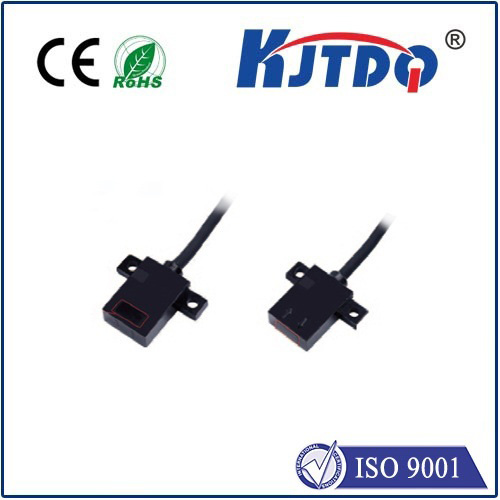
In the rapidly evolving landscape of industrial automation, the demand for reliable, precise, and durable sensing technology is paramount. The MCⅡ photoelectric switch stands as a testament to this pursuit of excellence, offering a sophisticated solution for a myriad of detection challenges across diverse sectors. Unlike conventional sensors, the MCⅡ series is engineered with advanced optical technology, providing unparalleled accuracy in detecting the presence, absence, or position of objects without physical contact. This non-invasive method not only preserves the integrity of both the sensor and the target object but also significantly reduces maintenance costs and downtime, a critical factor for high-throughput production environments.
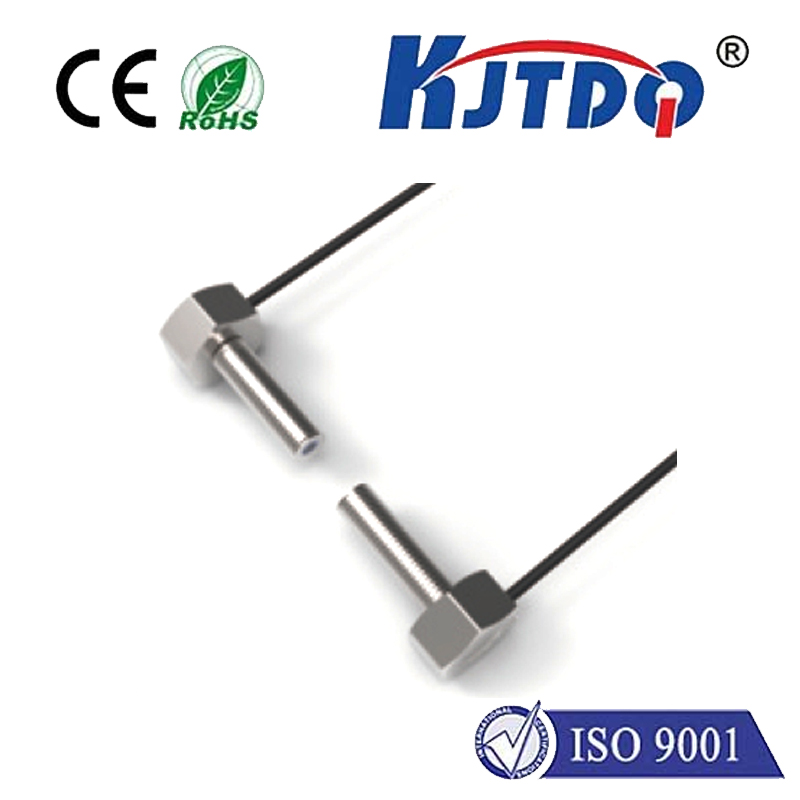
The core innovation of the MCⅡ photoelectric switch lies in its refined modulation and demodulation circuitry. This technology allows it to effectively filter out ambient light interference from factory lighting or sunlight, ensuring stable operation even in harsh industrial settings. Whether configured as a through-beam, retro-reflective, or diffuse reflective sensor, the MCⅡ delivers consistent performance. The through-beam type, with a separate emitter and receiver, offers the longest sensing distances and highest reliability for clear object detection. The retro-reflective model, utilizing a reflector, provides a practical balance of range and ease of installation. Meanwhile, the diffuse reflective version excels in detecting objects at close range, even discerning differences in color and surface texture with its focused beam technology.
Durability is a non-negotiable feature in industrial components, and the MCⅡ is built to endure. Housed in a robust, IP67-rated enclosure, it is fully protected against dust ingress and temporary immersion in water. This makes it perfectly suited for applications in food and beverage processing, packaging lines, material handling, and automotive assembly where exposure to moisture, oils, and particulate matter is common. The housing is typically constructed from high-grade plastics or metals, resistant to chemicals and mechanical impact, guaranteeing a long service life and reducing the total cost of ownership.
Installation and integration are remarkably straightforward. The MCⅡ photoelectric switch features intuitive alignment indicators, such as a visible red beam or a stable LED status light, which simplify setup and troubleshooting. Many models in the series come with versatile mounting options and adjustable sensitivity potentiometers, allowing engineers to fine-tune the sensing parameters to exact application requirements. This flexibility ensures seamless integration into existing control systems, communicating seamlessly with PLCs (Programmable Logic Controllers) and other automation hardware via standard PNP or NPN output configurations.
The operational benefits translate directly into tangible business outcomes. By implementing the MCⅡ sensor, facilities can achieve higher levels of automation precision, leading to improved product quality, reduced waste from false triggers or missed detections, and enhanced overall equipment effectiveness (OEE). Its reliability minimizes unplanned stoppages, ensuring smoother production flow and meeting stringent just-in-time manufacturing schedules. From counting bottles on a conveyor to ensuring precise positioning in robotic pick-and-place operations, the MCⅡ acts as the vigilant eyes of the automated system.
Looking forward, the role of intelligent sensors like the MCⅡ photoelectric switch will only expand with the growth of Industry 4.0 and the Industrial Internet of Things (IIoT). Its fundamental reliability and precision form the bedrock upon which smarter, data-driven manufacturing is built. For system integrators, plant managers, and design engineers seeking a proven, robust, and high-performance detection solution, the MCⅡ photoelectric switch represents a strategic investment in operational resilience and future-ready automation. It is more than just a component; it is a critical enabler of efficiency, safety, and productivity in the modern industrial world.