check

check

check

check
check
check
check
check

check

check
In the intricate world of industrial automation, the reliability of a single component can dictate the efficiency of an entire production line. The RL63-2473GK photoelectric switch stands as a testament to this principle, offering a robust and precise sensing solution for demanding applications. This comprehensive guide delves into the core features, operational principles, and diverse applications of this advanced sensor, providing essential insights for engineers and system integrators.
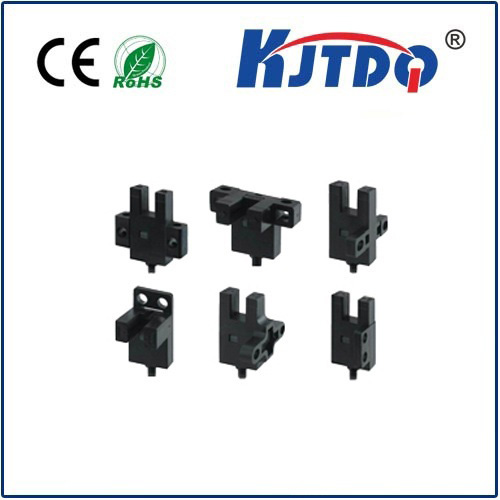
At its heart, the RL63-2473GK is a through-beam photoelectric sensor. This design employs a separate transmitter and receiver unit. The transmitter projects a focused beam of light—typically infrared or visible red—across a designated gap. The receiver, positioned directly opposite, continuously monitors this light beam. When an object passes between the two units, it interrupts the beam. This interruption is instantly detected by the receiver, which triggers a clean, high-speed electrical output signal. This fundamental through-beam method is renowned for its long sensing distances, high positional accuracy, and exceptional immunity to environmental factors like target color, texture, or reflectivity. The "GK" suffix often indicates specific housing material or connector type, ensuring durability in harsh conditions.
The technical specifications of the RL63-2473GK are engineered for performance. It typically operates with a sensing range that can extend several meters, making it ideal for monitoring large conveyor belts or entryways. Its response time is measured in milliseconds, capable of detecting fast-moving objects on high-speed packaging lines. Built with an IP67 or higher rating, the sensor is fully protected against dust ingress and temporary immersion in water, allowing reliable operation in washdown environments found in food processing or pharmaceutical manufacturing. The housing is constructed from rugged materials like nickel-plated brass or high-grade plastics, resistant to impacts, vibrations, and exposure to common industrial chemicals.
The versatility of the RL63-2473GK photoelectric switch unlocks its potential across numerous sectors. In material handling and logistics, it is indispensable for object detection on conveyors, pallet counting, and controlling automated storage and retrieval systems. Within the automotive industry, these sensors provide precise positioning feedback for robotic arms during assembly and verify the presence of components. Packaging machinery relies on them for label detection, fill-level control, and ensuring proper carton sealing. Furthermore, they play a critical role in safety systems, acting as perimeter guards or presence detectors on automated doors and machinery to prevent accidents.
Selecting and installing the RL63-2473GK requires careful consideration. First, confirm the required sensing distance and ensure the physical space allows for proper alignment of the separate transmitter and receiver units. Alignment is crucial; even slight misalignment can cause unreliable operation. Using a manufacturer-provided alignment tool is highly recommended. The sensor must be powered according to its voltage specifications (commonly 10-30V DC) and the output type (PNP or NPN) must be compatible with the connected programmable logic controller (PLC) or other control system. For optimal performance, install the sensor on stable mounts to minimize vibration, keep the lenses clean from dust and debris, and avoid positioning it where intense ambient light (like direct sunlight) could interfere with the light beam.
When compared to other sensing technologies like inductive proximity sensors or diffuse-reflective photoelectric switches, the RL63-2473GK's through-beam design offers distinct advantages. It provides the longest possible sensing distance for photoelectric sensors and is unaffected by the color or surface finish of the target object. However, it requires installation on both sides of the detection point, which can be a limitation in space-constrained applications. For scenarios where only one-sided mounting is possible, a robust background suppression or retro-reflective sensor might be considered, though with potential trade-offs in range or stability.
In conclusion, the RL63-2473GK photoelectric switch represents a cornerstone of modern industrial sensing. Its through-beam principle delivers unmatched reliability and precision for object detection across vast distances and in challenging environments. By understanding its operation, specifications, and correct application practices, maintenance engineers and automation professionals can leverage this powerful tool to enhance system efficiency, ensure product quality, and bolster operational safety. For any application demanding unwavering detection accuracy, the RL63-2473GK stands as a proven and dependable choice.