check

check

check

check
check
check
check
check

check

check
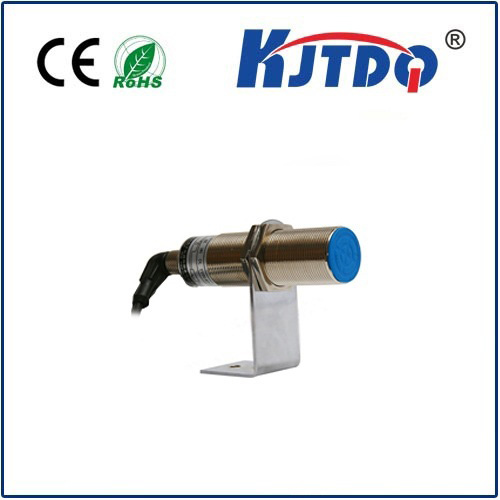
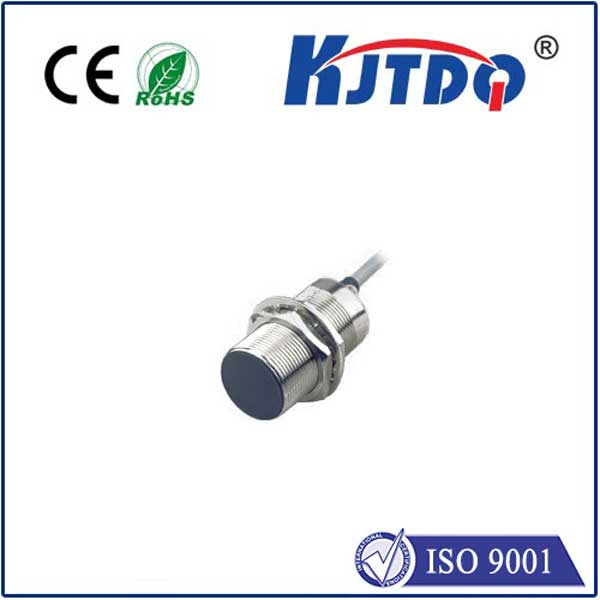
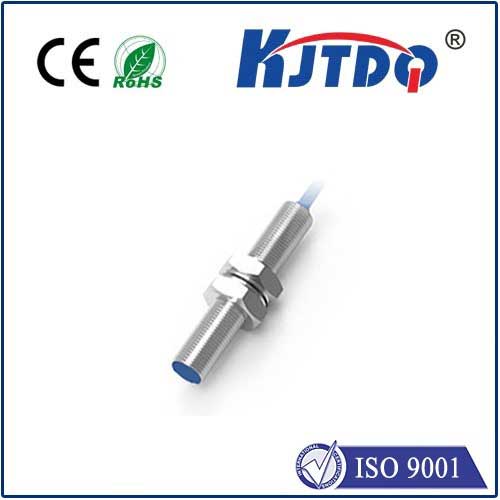
In the realm of industrial automation, the reliability and accuracy of sensing components are paramount. The LQD-LD61PS photoelectric switch stands out as a critical device designed to meet the rigorous demands of modern manufacturing and control systems. This compact yet robust sensor utilizes advanced photoelectric technology to detect objects, monitor processes, and ensure seamless operations across various applications.
The LQD-LD61PS operates on the principle of light beam interruption or reflection, depending on its configuration. It typically consists of an emitter that projects a light beam—often infrared or visible light—and a receiver that detects changes in the beam's intensity. When an object passes between the emitter and receiver, or reflects the beam back, the switch triggers an electrical signal. This simple yet effective mechanism allows for non-contact detection, minimizing wear and tear and enhancing longevity in high-cycle environments.
One of the key features of the LQD-LD61PS is its high precision. With a sensing range that can be adjusted to suit specific needs, it offers consistent performance even in challenging conditions. Whether used in packaging lines, material handling systems, or safety interlocks, this photoelectric switch provides accurate detection of objects regardless of their material composition—be it metal, plastic, wood, or glass. Its ability to ignore ambient light interference ensures false triggers are rare, contributing to system reliability.
Durability is another hallmark of the LQD-LD61PS. Constructed with industrial-grade materials, it withstands dust, moisture, and vibrations commonly found in factory settings. Many models come with an IP67 rating, indicating protection against temporary immersion and dust ingress, making them suitable for harsh environments. This resilience translates to reduced maintenance costs and downtime, as the sensor continues to function optimally over extended periods.
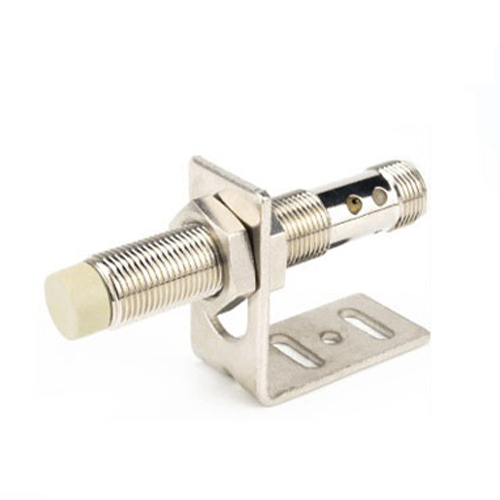
Installation and integration are straightforward with the LQD-LD61PS. Its compact design allows for easy mounting in tight spaces, while standard output options—such as NPN or PNP transistors—ensure compatibility with a wide range of programmable logic controllers (PLCs) and other control devices. Users can typically adjust sensitivity and response time via built-in potentiometers, enabling fine-tuning for specific applications without requiring additional hardware.
In practice, the LQD-LD61PS finds use in diverse scenarios. For instance, in conveyor belt systems, it can detect product presence to control sorting or counting operations. In automated assembly lines, it ensures components are correctly positioned before robotic arms engage. Additionally, it serves as a safety device by monitoring access points or machine guards, instantly halting equipment if an obstruction is detected. This versatility makes it a go-to choice for engineers seeking reliable sensing solutions.
Beyond basic functionality, modern iterations of photoelectric switches like the LQD-LD61PS may incorporate smart features. Some versions offer diagnostic capabilities, such as LED indicators for status monitoring or fault detection, aiding in quick troubleshooting. As Industry 4.0 advances, these sensors can integrate with IoT networks, providing real-time data for predictive maintenance and efficiency analytics.
When selecting a photoelectric switch, factors like sensing distance, response speed, and environmental resistance should be considered. The LQD-LD61PS excels in these areas, offering a balance of performance and affordability. It is essential to consult technical specifications to match the sensor with application requirements, ensuring optimal results.
In summary, the LQD-LD61PS photoelectric switch embodies the innovation driving industrial automation forward. Its precision, durability, and ease of use make it an indispensable tool for enhancing productivity and safety. As industries continue to evolve, such reliable components will remain at the core of efficient and intelligent systems.