check

check

check

check
check
check
check
check

check

check
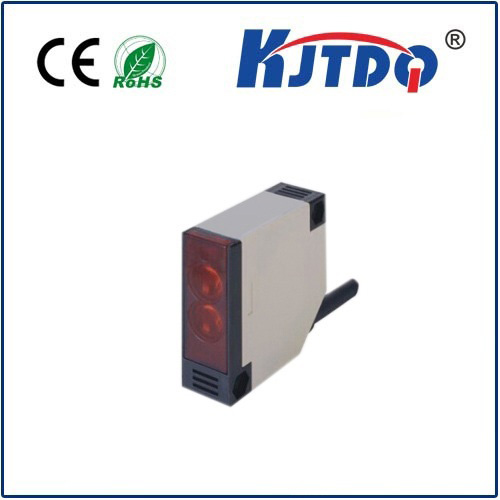
In the intricate world of industrial automation and machinery control, the reliability of a single component can dictate the efficiency of an entire production line. Among these critical components, photoelectric switches stand as silent sentinels, ensuring precision, safety, and seamless operation. The CL75-3033PK photoelectric switch emerges as a standout solution in this category, designed to meet the rigorous demands of modern industrial environments. This guide delves into the features, applications, and benefits of the CL75-3033PK, providing a comprehensive overview for engineers, system integrators, and procurement specialists.
The CL75-3033PK is a through-beam type photoelectric sensor, a design known for its long sensing distance and high reliability. This model typically operates by having a separate emitter and receiver unit. The emitter projects a focused beam of light, which is then captured by the receiver. An object is detected when it interrupts this light beam. This principle allows the CL75-3033PK to achieve highly accurate and stable detection, even in challenging conditions where other sensor types might falter. Its robust housing, often rated at IP67, ensures protection against dust and water ingress, making it suitable for use in washdown areas, outdoor installations, or dusty manufacturing floors.
One of the key strengths of the CL75-3033PK lies in its technical specifications. It often features a sensing range that can extend several meters, allowing for flexible installation in large machinery or conveyor systems. The device usually incorporates a visible red or laser light beam, which simplifies alignment during setup and maintenance—a crucial factor in reducing downtime. Furthermore, models like the CL75-3033PK commonly come with a built-in sensitivity adjustment or stable operation indicators, enabling fine-tuning for specific applications and providing immediate visual confirmation of operational status. The output is typically a solid-state relay or transistor, ensuring fast switching speeds and a long operational life free from the wear and tear of mechanical contacts.
The versatility of the CL75-3033PK photoelectric switch is demonstrated by its wide range of applications. In packaging lines, it is indispensable for detecting the presence or absence of products on a conveyor, triggering the next step in the process such as filling, labeling, or boxing. Within the automotive industry, these sensors play a vital role in robotic assembly, ensuring parts are correctly positioned before welding or installation. They are equally valuable in material handling for palletizing and depalletizing, counting objects as they pass a specific point, and even in security systems as part of safety light curtains to protect workers from moving machinery. Its through-beam design makes it particularly effective for detecting transparent objects, like glass or plastic bottles, which can be problematic for diffuse-reflective sensors.
Choosing the CL75-3033PK translates to tangible benefits for any operation. First and foremost is enhanced reliability. Its through-beam design is less susceptible to environmental factors like the color, texture, or reflectivity of the target object, providing consistent performance. This reliability directly contributes to reduced machine downtime and maintenance costs. Secondly, its durability ensures a long service life, offering an excellent return on investment. The ease of installation and alignment further reduces labor costs and minimizes errors during setup. By ensuring precise detection, the CL75-3033PK helps maintain high product quality, prevents jams in machinery, and enhances overall system safety.
When integrating the CL75-3033PK, several practical considerations ensure optimal performance. Proper alignment between the emitter and receiver is paramount; even a slight misalignment can cause failure. Using mounting brackets designed for stability is recommended. The operating environment should be assessed for potential optical interference, such as intense ambient light or highly reflective backgrounds, which might necessitate the use of a modulated light source version if not already included. Regular cleaning of the lenses is a simple but essential maintenance task to prevent false triggers caused by dust or grime buildup. Understanding the electrical requirements and correctly wiring the sensor into the control system is, of course, fundamental.
In conclusion, the CL75-3033PK photoelectric switch represents a fusion of robust engineering and practical design. Its through-beam operation, environmental resilience, and application flexibility make it a cornerstone component for countless automation tasks. For professionals seeking a dependable, accurate, and durable sensing solution to improve operational efficiency and system reliability, the CL75-3033PK stands as a proven and compelling choice. By understanding its capabilities and following best practices for implementation, businesses can unlock greater levels of automation precision and productivity.