check

check

check

check
check
check
check
check

check

check
In the world of industrial automation and machinery, precision and reliability are not just preferences; they are absolute necessities. At the heart of countless systems ensuring this dependability lies a critical component: the photoelectric sensor. Among the myriad of options available, the E3F-DS30B2 photoelectric switch stands out as a paragon of performance and durability. This comprehensive guide delves into the features, applications, and benefits of this exceptional sensor, explaining why it has become a trusted choice for engineers and system integrators globally.
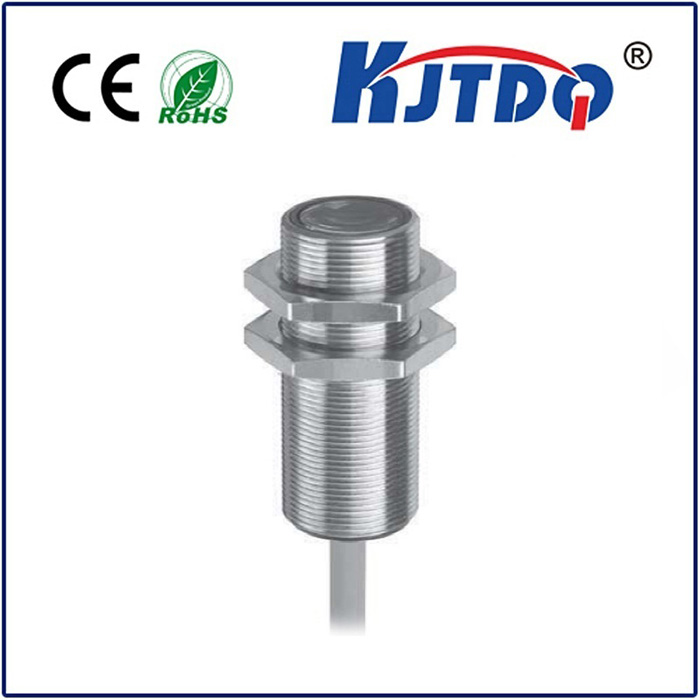
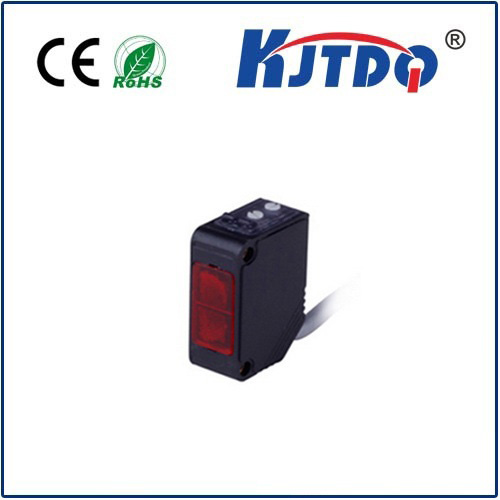
The E3F-DS30B2 is a diffuse reflective photoelectric sensor, a design known for its simplicity and effectiveness. Unlike through-beam sensors that require separate emitter and receiver units, this model houses both elements in a single, compact housing. It operates by emitting a beam of infrared or visible red light from its LED. When an object enters its detection range, the light reflects off the object's surface and returns to the built-in receiver. The sensor's internal circuitry then processes this signal to trigger an output. The "DS30B2" variant typically offers a sensing distance of up to 300mm, a robust metal or plastic housing for environmental protection, and features like a potentiometer for easy sensitivity adjustment, ensuring it can be fine-tuned for specific materials and colors.
What truly sets the E3F-DS30B2 apart is its remarkable resilience in challenging conditions. Engineered for industrial environments, it boasts a high degree of resistance to ambient light interference, a common issue that can cause false triggers in lesser sensors. Its housing is designed to withstand dust, oil, and water splashes, often conforming to IP67 ratings, meaning it is dust-tight and can withstand temporary immersion. This makes it perfectly suited for applications in manufacturing plants, packaging lines, and material handling systems where cleanliness is not guaranteed. Furthermore, its stable performance is maintained across a wide operating voltage range, typically 10-30V DC, providing flexibility in various electrical setups.
The versatility of the E3F-DS30B2 photoelectric switch is demonstrated by its wide range of applications. On assembly lines, it is indispensable for precise object detection, counting products as they pass by on a conveyor belt. In automated warehouses, it ensures the correct positioning of pallets and boxes. It plays a crucial role in security systems, detecting the presence of personnel or objects in restricted areas. The sensor is also vital in packaging machinery, verifying that a product is present before sealing or labeling operations commence. Its ability to detect a variety of materials, from opaque metals and plastics to translucent films, adds to its utility across different industries.
When selecting a sensor like the E3F-DS30B2, several key advantages become apparent. First is its exceptional reliability, leading to reduced machine downtime and maintenance costs. Consistent, accurate detection prevents jams, miscounts, and production errors. Second is its ease of installation and setup. The built-in sensitivity adjustment allows technicians to quickly calibrate the sensor on-site without complex tools. Third is its cost-effectiveness. By offering a long operational life and minimal failure rates, it provides an excellent return on investment, avoiding the frequent replacements required by less durable components.
For optimal performance, proper installation is crucial. The sensor should be mounted securely to minimize vibration. The sensing face must be kept clean from dirt, dust, or grime buildup that could attenuate the light beam. When detecting dark or absorbent materials, the effective sensing distance may decrease, requiring careful adjustment of the sensitivity potentiometer. It is also important to consider the background environment; highly reflective surfaces behind the target object can sometimes cause unreliable operation, which can be mitigated by adjusting the sensor's angle or sensitivity.
In conclusion, the E3F-DS30B2 photoelectric switch represents a blend of sophisticated technology and rugged practicality. Its design addresses the core needs of modern automation: unwavering accuracy, environmental toughness, and operational simplicity. For engineers seeking a proven, dependable solution for non-contact object detection, this sensor offers a compelling combination of features that enhance system efficiency and reliability. As automation continues to evolve, components like the E3F-DS30B2 will remain fundamental in building the intelligent, responsive systems of tomorrow.